Grow in full sun across the spring and the autumn, and will require shade from the hot summer sun. While this species is hardy, it does need protecting from hard frost in the winter.
Across the growing season, water your Virginia Creeper regularly. Come the summer, be sure not to let the soil dry out entirely.
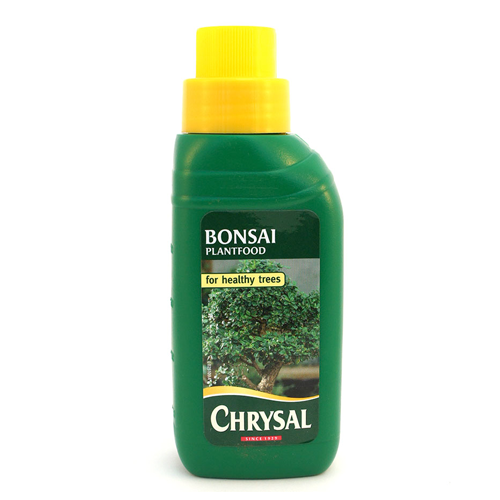
Every two weeks with a half-strength fertiliser in spring and a half-strength low nitrogen content feed at the end of summer. We would recommend the Naruko Slow Release Feed.
Across the growing season, pinch out the shoot tips regularly.
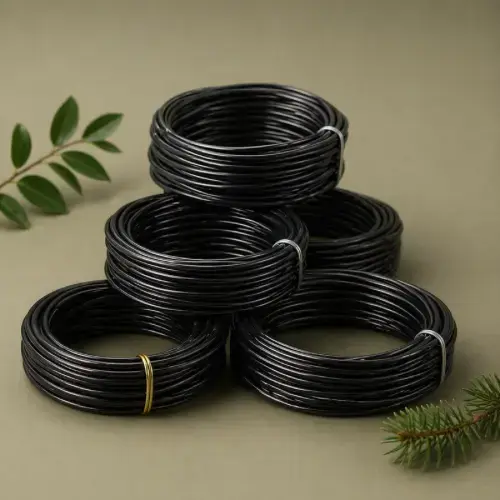
While wiring is achievable with Virginia Creeper, it is far from necessary or advised.
Repotting your tree is an important way to provide a fresh and suitable soil mix and ensure appropriate root health. When to repot your Virginia Creeper depends on the vigour of the plant. Every second year is advisable, but a particularly vigorous tree may need repotting annually, to avoid it becoming pot-bound. A deep pot is recommended over a shallow one.
Trees that are ready for repotting will require root pruning, a suitable new pot and appropriate soil mix.
When repotting, do not cut back the root mass by a large amount, and choose a well-draining soil mix that has a neutral or slightly higher PH value of 5-6, but not over 7. We tend to use a mixture of different speciality bonsai soils on our trees. Every species is different, so please contact us for free soil-mix advice or to take advantage of our repotting service.
Parthenocissus
Bonsai trees aren’t only magnificent additions to an indoor oasis; they are more than capable of standing out in any garden. Many Bonsai species are incredibly hardy and withstand nature’s colder and damper turns with aplomb, making them worthwhile outdoor plants. We have an extensive library of care guides for outdoor bonsai trees. It’s not about selecting the perfect bonsai, it’s about selecting the perfect bonsai for you.
Virginia Creeper as a bonsai may be susceptible to caterpillars, aphids and scale. Specific insecticide should treat any infestation.
Part of Virginia Creeper’s popularity as a bonsai is the ease with which it can be propagated. This can be done any time of the year with both cuttings and layering.
Not toxic, no, but this species does contain properties to be mindful of. Oxalate crystals found in this plant can be a severe skin allergen for some. The allergic dermatitis activated by this plant is not dissimilar to that found in Poison Ivy.