
Most bonsai trees show stress after repotting, and mild leaf drop, wilting, or slower growth usually signal normal recovery rather than failure. Persistent wilting, sour soil smell, or branch dieback signal deeper problems that need attention.
You repot your bonsai with care, then step back and notice drooping leaves or dull colour. That moment can trigger real worry, especially when the tree looks worse instead of better. Root disturbance limits water and nutrient uptake for a short time, so visible changes often follow even when your bonsai care stays correct.
This guide helps you tell the difference. You will learn why bonsai often look weaker after repotting, how long stress typically lasts, and when intervention helps more than patience. That clarity makes post-repotting care calmer and far more effective.
Beginners seeing their bonsai look worse after repotting for the first time: What you are seeing is almost certainly normal. Leaf droop, dull colour, and a pause in growth in the first two weeks are the tree redirecting energy to root repair. The most common mistake at this stage is to water more frequently because the tree looks thirsty. Check the soil moisture before every watering rather than watering in response to how the leaves look. If the soil at two to three centimetres depth still feels moist, wait. Stillness is not the same as decline.
Indoor tropical species keepers (Ficus, Carmona, Jade, Serissa): Tropical indoor bonsai are more sensitive to environmental instability after repotting than outdoor temperate species. Cold draughts near windows, dry air from central heating, and sudden changes in light position all exaggerate post-repotting stress in tropical species. After repotting, keep the tree in one stable warm position with bright indirect light and do not move it for at least two weeks. Ficus in particular will often drop leaves dramatically in response to being moved. This is a stress response, not a sign of root failure, and new leaves almost always follow once the tree stabilises.
Outdoor temperate species growers (Juniper, Maple, Pine, Larch, Elm): The most significant post-repotting risk for outdoor temperate species in the UK is cold nights following mild repotting days. Newly pruned roots are more vulnerable to cold than established ones. If night temperatures are still dropping near freezing after you repot, move the tree to a sheltered position overnight rather than leaving it fully exposed. A cold frame or unheated garage is sufficient. Bring it back into morning light during the day. This single step prevents a large proportion of cold-related post-repotting setbacks.
Growers who repotted and then saw rapid leaf drop: Rapid leaf drop within the first week of repotting is more likely to be a response to the repotting disturbance itself than a sign of root failure, particularly in deciduous species. If branches remain flexible, buds are still present, and the soil is draining freely, the tree is almost certainly recovering. Continue steady care, do not feed, and check daily. If new buds begin to swell or open within three to four weeks, recovery is confirmed. If branches begin to dry and snap within two weeks, investigate drainage and root condition.
Growers whose tree is showing persistent wilting after two weeks: Wilting that continues beyond two weeks despite correct soil moisture is the most reliable indicator that something beyond normal stress is present. The most common cause is root rot from overwatering in the first days after repotting, particularly in trees repotted into dense or poorly draining soil. If the soil smells sour or roots appear dark and soft when inspected, remove the tree from the pot, cut back to healthy root tissue, and repot into fresh free-draining soil. This is the correct intervention and should not be delayed once root rot is confirmed.
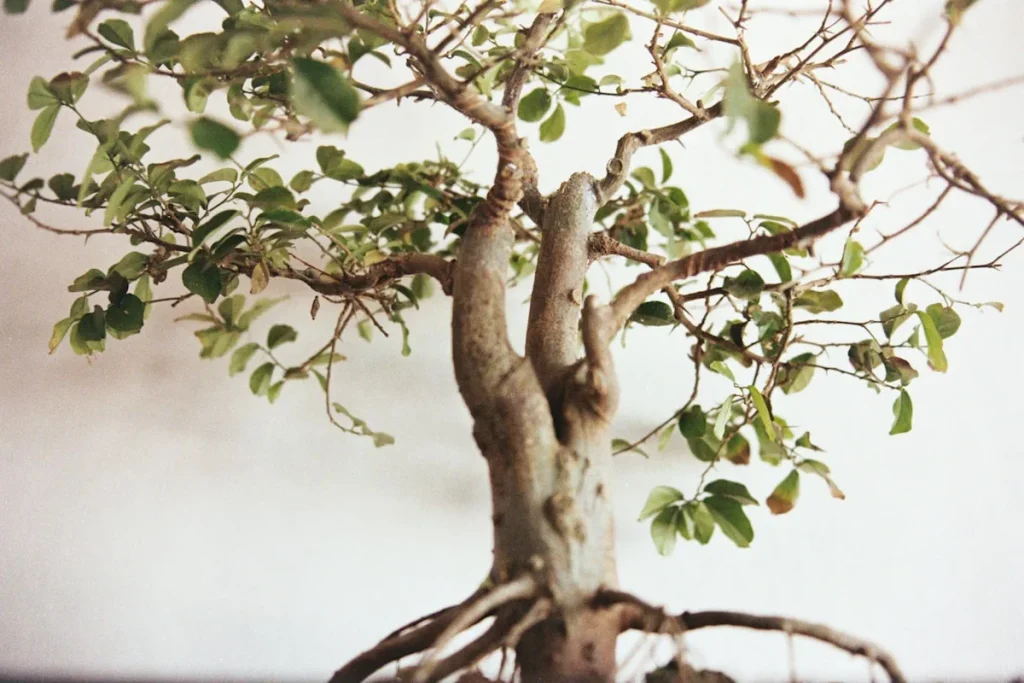
Repotting bonsai trees disrupts the balance between roots, soil, and foliage. The tree responds by shifting energy below the soil surface, which often causes short-term changes above the soil line.
During bonsai repotting, you disturb the root system by design. You remove compacted soil, correct a root-bound structure, and often carry out root pruning using tools like a root hook or concave cutter.
This process interrupts water and nutrient uptake. The tree responds by directing energy to root repair instead of leaf growth or bud development.
Key changes happen below the surface:
While roots stabilise, foliage may dull, soften, or slow growth. This reaction reflects energy redistribution, not failure. Adequate drainage and stable soil moisture help roots recover faster, even if leaves lag behind.
After repotting bonsai, visible stress often appears before recovery becomes obvious. Leaves may droop, colour may fade, or growth may pause.
These signals differ from true decline. Stress remains consistent or slowly improves, while failure worsens over time and spreads through the structure.
Use this comparison as a guide:
| Sign | Likely Stress | Likely Decline |
|---|---|---|
| Leaf colour | Slight fade | Rapid browning |
| Growth | Paused | Receding |
| Branches | Flexible | Brittle |
Focus on structure and timing. A stable trunk, firm branches, and controlled soil moisture indicate recovery. With consistent aftercare, most repotted bonsai rebound once root systems re-establish and energy flows upward again.
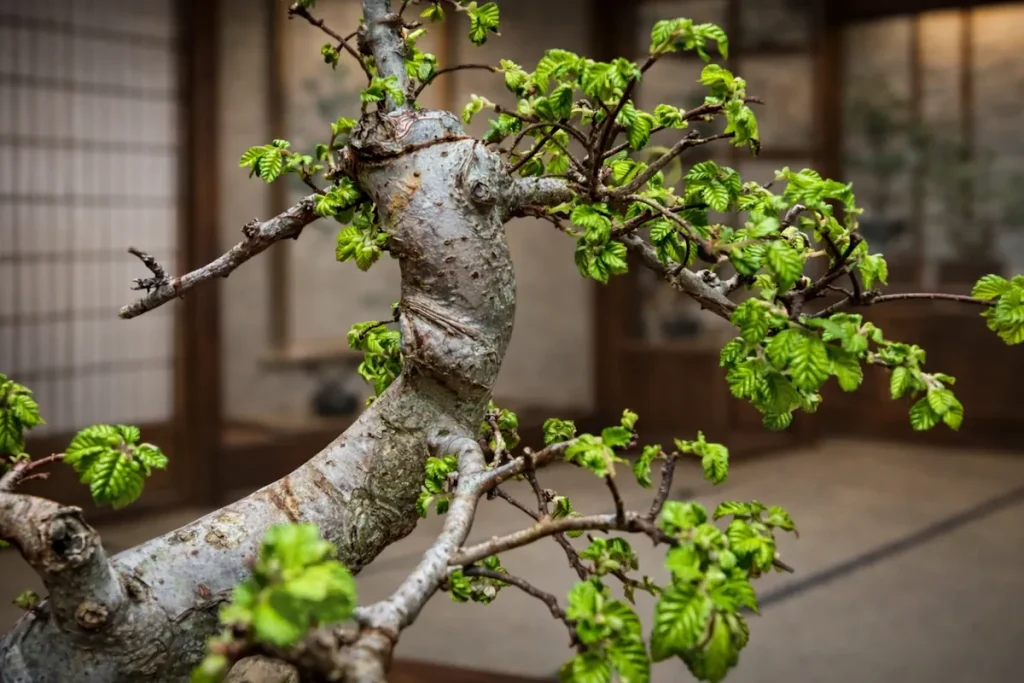
After repotting, your bonsai often shows short-term changes linked to repotting shock or transplant shock. These responses usually reflect root disturbance and adjustment, not failure, and they improve with stable care and patient observation.
You may notice leaf drop or foliage that looks dull or slightly faded within the first few weeks. Root pruning and soil changes reduce water uptake for a short time, so the tree sheds some leaves to rebalance demand.
Normal leaf drop usually looks like this:
This response often settles within 2–4 weeks as new roots form.
Concerning patterns include rapid, heavy leaf loss or leaves turning brown from the tip inward. Those signs point beyond normal transplant shock. Avoid reacting too quickly with fertiliser or heavy watering, as that often adds stress instead of reducing it.
After repotting, your bonsai may slow down or stop visible growth. The tree directs energy to root repair before pushing new shoots, which is a normal survival response.
You may see:
In early spring, this delay often lasts 3–6 weeks, especially after root work.
This pause does not mean the tree is weak. It means the roots are stabilising. Forcing growth with fertiliser or pruning during this phase can disrupt recovery. Steady watering and stable placement support root regeneration more effectively than intervention.
A repotted bonsai reacts more strongly to sun, wind, and temperature changes. Reduced root function limits the tree’s ability to replace moisture lost through the leaves.
Common signs include:
These symptoms often appear even when recovery is progressing well.
Bright sun, cold drafts, and strong wind exaggerate stress responses during transplant shock. Place your bonsai in bright, indirect light with wind protection for the first few weeks. Gradual re‑exposure allows the tree to rebuild tolerance without triggering avoidable stress.
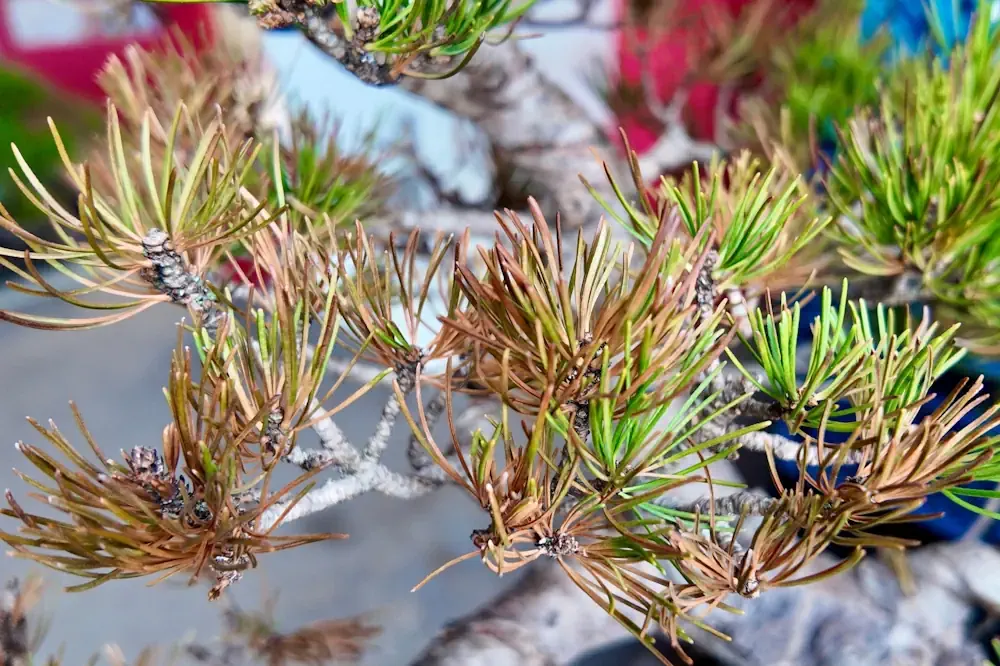
Some post-repotting symptoms fade within days. Others persist, worsen, or appear together in ways that point to deeper root or vascular problems that need attention.
If you water correctly and the soil stays lightly moist, wilting leaves should recover within a day or two. When they do not, the problem often sits below the soil line. Damaged or decaying roots cannot move water, even when moisture is available.
Look for ongoing collapse rather than temporary droop. Leaves stay limp, lose tension, and may dull in colour over several days. This pattern often links to root rot, compacted soil, or roots damaged during repotting.
Common underlying causes include:
Pests like spider mites can worsen wilting, but they rarely cause persistent collapse on their own. When wilting continues despite stable watering, root function has likely failed.
Healthy bonsai roots look firm and pale. Dark, soft, or slimy roots signal decay. A sour or rotten smell from the soil points to anaerobic conditions, where oxygen cannot reach the roots.
These signs usually develop over weeks, not days. They indicate excess moisture trapped in the pot, often from dense soil or blocked drainage holes. This environment allows root rot and fungal diseases to spread.
Pay attention to touch and smell:
A soggy mix also blocks nutrient uptake, which can trigger nutrient deficiency symptoms such as pale leaves or weak growth. Early detection makes recovery far more likely.
Gradual leaf drop after repotting can be normal. Rapid leaf loss paired with drying twigs is not. This combination shows that water transport inside the tree has already failed.
You may see green leaves fall within days, followed by brittle branch tips. Unlike seasonal shedding, buds do not replace lost leaves. The damage often spreads from fine twigs inward.
This pattern often links to:
When leaf drop and branch dieback happen together, the issue runs deeper than surface stress. Timing and speed matter more than leaf count.
Post-repotting stress usually comes from a few care-related mistakes rather than permanent damage. Water handling, light exposure, and temperature swings account for most problems, and you can correct all of them with small adjustments.
Watering errors rank among the most common repotting mistakes. Fresh soil drains differently, and trimmed roots absorb water more slowly, which makes old habits unreliable.
Wet roots and hydrated roots are not the same. Hydrated roots feel firm and pale, while overwatered roots sit in constantly wet soil and lose oxygen. That leads to water stress even though the soil looks moist.
Look for these differences:
Inconsistent watering worsens both issues. Water when the soil starts to dry, not on a fixed schedule.
After repotting, your bonsai cannot regulate water well. Direct sun increases evaporation faster than damaged roots can replace moisture.
Placing the tree straight back into full sun often leads to leaf scorch, drooping, or rapid drying. This stress builds quickly, especially on bright but breezy days.
Aim for a gentler transition:
You do not need a strict timetable. Watch leaf firmness and colour, and adjust exposure based on how the tree responds.
Spring days often feel mild, but cool nights slow root recovery. Roots grow best in stable, moderate temperatures, not sharp day–night swings. In cooler spring climates, recovery may look slower above soil even when roots are healing normally.
Cold soil reduces water uptake. That creates water stress even when your watering looks correct. This pattern appears often in temperate climates with early spring warm spells.
Watch for these risk factors:
Move your bonsai to a sheltered spot at night to reduce temperature stress without changing daytime light.
After repotting, your bonsai needs time to rebuild fine roots and rebalance water uptake. Some changes look worrying but resolve on their own, while others persist and require careful action. The key is to watch patterns over days and weeks, not single symptoms.
Slow, steady behaviour often means recovery is underway. You may see little visible growth, yet the tree remains stable and responsive.
Reassuring signs include:
You should focus on consistent care. Adjust watering to keep the soil evenly moist, not wet. Prevent dehydration by checking moisture daily, as new roots dry faster. Avoid fertiliser for about 4–6 weeks, as nutrients can stress healing roots.
If these trends hold steady, waiting supports a stronger recovery than frequent adjustments.
Some symptoms signal that patience alone will not help. These signs persist or worsen over time.
Take action if you notice:
Use minimal intervention first. Adjust watering before changing anything else. Improve drainage and airflow. Move the tree out of strong wind or direct sun to prevent dehydration.
If no improvement appears after 7–10 days, inspect for root rot or pest issues. Act carefully and change only one factor at a time to avoid added stress.
Most bonsai begin to stabilise within two to four weeks. If symptoms continue past six to eight weeks without improvement, the cause is usually overwatering, poor drainage, or repotting outside the ideal season. For a full species-by-species recovery timeline, see our guide to bonsai recovery after repotting.
When a bonsai struggles, the urge to act feels strong. Extra watering, moving locations, or early fertilising often slows recovery instead of helping it.
Roots need time to regrow fine feeder roots. Interference disrupts that process.
Focus on steady care:
In practice, most post-repotting losses come from overcorrection rather than neglect. Overwatering, repeated repositioning, and early feeding are more likely to cause decline than the repotting itself.
Repotting stress is common. Most bonsai show some reaction after root disturbance, and this does not mean you made a mistake. Your goal is to observe calmly and respond with steady care.
Focus on patterns, not single symptoms. One drooping leaf rarely matters, but several changes at once deserve attention. Time also matters; stress that improves within 2–4 weeks often resolves on its own.
Typical, short-term stress signs include:
These signs usually stabilise with consistent watering and stable light.
More serious warning signs include:
These signals point to root issues, water imbalance, or environmental shock.
Avoid the urge to fix everything at once. Too many changes increase stress rather than reduce it.
Patience often works better than intervention. If conditions stay stable and symptoms do not worsen, your bonsai usually recovers as roots re-establish.
Start by distinguishing between stress and decline using the checks in this guide. Flexible branches, present buds, and soil that drains freely are the three signs that confirm the tree is alive and recovering, even when surface appearance looks poor. If all three checks pass, the correct response is stable care and patience rather than intervention.
In our experience at Miyagi Bonsai, the growers who lose trees after repotting almost never do so because of the repotting itself. They lose them in the two weeks that follow, through overwatering, repeated repositioning, or early feeding before roots have recovered. The repotting is rarely the problem. The aftercare almost always is.
Miyagi Bonsai stocks a carefully chosen range of bonsai repotting supplies including akadama, pumice, lava rock, pre-mixed bonsai soils, repotting tools, and training pots, alongside indoor and outdoor bonsai trees, with next working day UK delivery available on most orders. Every tree comes with a personalised care guide tailored to the species and your growing environment. We are rated 5 stars across over 100 Google reviews, and our team is on hand by email and phone if you have any questions about post-repotting stress, recovery signs, or species-specific aftercare.
Bonsai often show stress after repotting due to root disturbance, water imbalance, or sudden environmental change. Careful watering, timing, soil choice, and aftercare reduce the risk and support steady recovery.
Water thoroughly straight after repotting until water drains from the holes. This settles soil around the roots and removes air pockets.
Keep the soil slightly moist for the next 4–6 weeks. Check daily and water only when the top layer starts to dry.
Avoid soaking wet soil. Poor drainage can lead to root rot and leaf yellowing.
You may notice changes within days or weeks. Common signs include:
These signs often link to water stress, root damage, or light and temperature changes.
Follow a clear sequence to limit shock:
Good preparation reduces stress more than speed.
Wait 4 to 6 weeks before fertilising. Roots need time to heal before taking up nutrients.
Start with a mild fertiliser. Avoid strong feeds during early recovery.
Early spring works best for most species. Buds begin to swell, and roots recover faster.
Avoid repotting during heatwaves, frost, or extreme weather. Sudden temperature shifts increase stress.
Choose soil that drains well and holds some moisture. This balance prevents both dehydration and root rot.
A typical mix includes:
Adjust particle size to suit the tree species and pot size.

