
Caring for bonsai in the UK requires close attention to temperature, especially during damp, often unpredictable winters. Most bonsai trees tolerate cool temperatures, but once temperatures fall below 0°C, protection becomes essential. For many species, root damage begins around –5°C to –10°C, and if the rootball freezes solid, the tree may not survive. While hardy outdoor bonsai can tolerate frost, cold is too cold when roots are exposed and unprotected, especially in shallow containers.
Not all bonsai react to the cold in the same way. Hardy, UK-supplied species such as Scots pine, larch, and juniper generally cope well with frosty nights, while more tender varieties like Chinese elm or privet may struggle as temperatures approach zero. The roots are the most vulnerable part of the tree. If they freeze solid, water and nutrient uptake stop entirely, leading to decline or dieback.
By understanding both the cold tolerance of the tree and the limits of its root system, bonsai can be guided safely through winter in good health. With the right preparation, cold stress, leaf loss, and root damage can be avoided before they ever become a problem.
Below 0°C → Winter protection becomes necessary for most bonsai
–5°C to –10°C → Root damage is likely in shallow containers
Frozen rootball → High risk of permanent damage or death
This quick reference helps identify when action is required to protect bonsai from cold-weather stress.

When considering winter care for bonsai trees, temperature is the first factor to manage. Different species tolerate different levels of cold, and knowing these limits helps prevent avoidable damage.
Most temperate bonsai, such as pines, elms, and maples, actually need a period of cold to trigger dormancy. This natural rest phase allows them to conserve energy and prepare for spring growth. Without dormancy, these trees may weaken, show poor budding, or even die back.
On the other hand, tropical bonsai like ficus or carmona cannot handle frost. They require warmer indoor conditions, usually around 15–24°C, and should never be left outside once temperatures drop below 10°C.
For hardy outdoor bonsai, the roots are usually the most vulnerable part. Once soil temperatures fall below -10°C in the winter months, root tissue can be damaged. Irreparable damage occurs when the rootball freezes solid.
Cold damage often shows as wilted foliage, sparse budding in spring, or root rot after thawing. Sudden warm and cold snaps should also be monitored, as they can stress trees more than consistently low temperatures.
During prolonged cold periods, all bonsai require protection, whether that involves placement in a greenhouse, insulating the pot, or using appropriate frost sheeting.
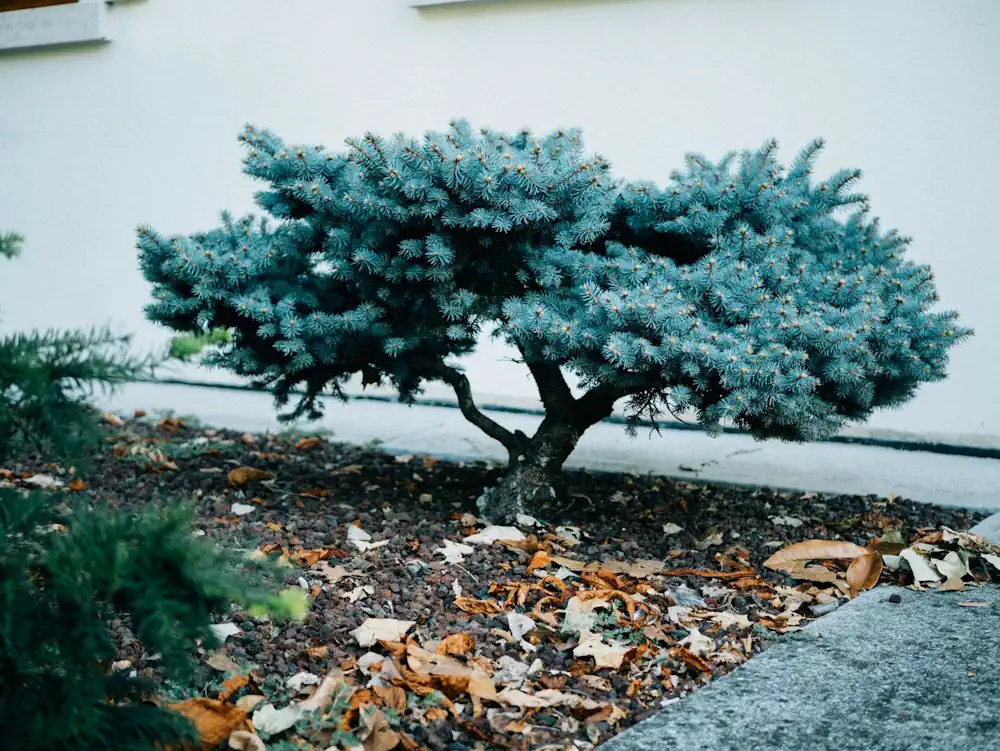
Some bonsai species are naturally suited to withstand freezing winters, strong winds, and long periods of dormancy. These trees have evolved in colder climates and can thrive outdoors with minimal protection, provided their roots and soil conditions are properly managed.
Larch is one of the toughest deciduous bonsai species for outdoor cultivation. Native to northern climates, it thrives in regions where winters are long and harsh. Unlike tropical bonsai species, larch requires a period of cold dormancy to remain healthy.
It can tolerate temperatures below -5°C, making it suitable for outdoor growing in most temperate zones. The tree drops its needles in winter, reducing stress from snow and frost.
Roots should be protected with mulch or insulation when the bonsai soil freezes deeply. Proper drainage is also essential, as frozen, waterlogged soil can damage fine feeder roots.
Jack pine is another hardy bonsai species adapted to cold northern forests. It naturally endures deep frosts and snow cover, making it ideal for outdoor cultivation in cold climates.
Its foliage is tough and resistant to windburn. However, the roots are more vulnerable than the branches. Root protection becomes essential when temperatures drop below -10°C, particularly in shallow bonsai pots.
Using a cold frame helps stabilise soil temperatures. Jack pine responds well to winter dormancy and will resume growth vigorously in spring if properly protected.
Black Pine is a hardy and resilient species well-suited to UK climates, capable of withstanding temperatures below -10°C or lower, depending on subspecies and provenance. It features dark green needles and rugged bark, thriving in full sun with a preference for well-drained soil.
While its roots are moderately hardy, insulating the pot during extended cold spells helps prevent frost damage. This species is adaptable to a wide range of soil types and is tolerant of wind and drought, making it a reliable choice for outdoor bonsai in temperate regions. Black Pine can develop striking mature forms with proper pruning and care.
White Pine exhibits moderate cold tolerance, generally hardy to around -15°C depending on location and care conditions in the UK. It grows best in full sunlight with well-drained soil and benefits from some winter protection in colder or wetter sites to avoid root rot.
This pine species has soft, bluish-green needles and a graceful appearance that suits bonsai styling well. To safeguard bonsai White Pine during severe freezes, insulating the root area and protecting pots from excessive damp cold is recommended. It is less cold-hardy than Black Pine but performs well in milder UK winters with appropriate care.
Juniper bonsai are among the hardiest species for UK bonsai cultivation, tolerating temperatures down to -20°C and below. Their dense, evergreen foliage and textured bark provide winter interest and natural resilience.
Protecting roots from freeze-thaw cycles by placing bonsai in sheltered locations with good drainage and applying winter insulation when necessary is key to survival. Junipers respond well to wiring and shaping, making them popular and low-maintenance outdoor bonsai choices for temperate climates.
Amur maple is a deciduous bonsai that thrives in cold regions. It is hardy to at least -10°C and actually benefits from a period of winter dormancy.
In autumn, its leaves turn bright red before dropping, reducing water loss during freezing weather. The bare branches can tolerate frost and snow without damage.
Protection is only needed for the roots. Mulching or insulating the pot keeps the root zone stable. With minimal care, Amur maple adapts well to outdoor bonsai culture in temperate and cold climates.
Red maple is more adaptable than many bonsai species. It tolerates frost well and can handle cold winters if the roots are protected.
The branches and trunk resist freezing damage, but shallow bonsai pots expose roots to greater risk. Covering the pot with mulch or placing the tree in a cold but sheltered spot prevents winter kill.
This species also benefits from a natural dormancy period. Its striking red autumn foliage makes it both hardy and visually rewarding as a bonsai.
Native plum species vary in hardiness, but many tolerate sub-zero temperatures without issue. They are naturally adapted to cold winters and often grow in open fields and woodland edges.
Their roots are moderately hardy, but like other fruiting bonsai, they benefit from winter protection to ensure reliable spring growth. Placing the pot in a sheltered outdoor spot helps maintain stable soil temperatures.
These trees also produce attractive blossoms in spring, making them a rewarding choice for cold-hardy bonsai collections.
Yew is considered one of the toughest bonsai species. Both European and Japanese yews can survive root temperatures down to around -10°C typically.
They are slow-growing evergreens with dense foliage, which provides natural insulation against frost and wind. Their trunks and branches are equally resilient, making them long-lived bonsai subjects.
Even though they are hardy, protecting the pot from repeated freeze-thaw cycles is still recommended. With proper placement, yews can remain outdoors year-round in most temperate and cold regions.
The olive tree is less cold-hardy than the other species listed. Native to the Mediterranean, it prefers mild winters and struggles in prolonged freezing conditions.
It can tolerate brief frosts down to about -2°C, but anything colder risks damage to leaves and roots. For this reason, olives should be brought indoors or kept in a frost-free greenhouse during winter in colder climates.
Providing bright light and moderate watering indoors helps prevent stress. While not among the hardiest bonsai, olive trees remain popular for their distinctive bark and evergreen foliage.
When discussing cold tolerance in bonsai, it is important to separate what the branches and foliage can withstand from what the roots can survive. Roots are far more sensitive to freezing and often die at much warmer temperatures than the top growth.
Most bonsai roots begin to fail around -10°C. This range is often called the root kill temperature. By contrast, the branches of hardy species like junipers or pines can withstand as low as -20°C in nature.
The difference comes from how bonsai are grown. In the ground, roots are insulated by soil depth. In shallow containers, however, roots are exposed to air temperatures much more directly, making them freeze faster.
Young roots are especially vulnerable. They lose hardiness more quickly than mature roots, and once frozen, they can no longer take up water. This leads to dehydration and rapid dieback even if the top of the tree looks fine.
For this reason, winter protection efforts should focus on the roots rather than only the visible parts of the tree. Simple insulation or shelter can make the difference between survival and loss.
Hardiness usually refers to how cold the visible parts of a tree can tolerate. This rating is what we see in gardening guides and plant labels, often linked to the Royal Horticultural Society (RHS) scale. It reflects the lowest air temperature that the branches, buds, and trunk can survive.
Root kill temperature is different. It refers to the point at which the roots die due to cold stress in bonsai. Roots are far less hardy than branches. In fact, many species that can handle -18°C in the ground may see root damage at just -4°C when grown in a pot.
This matters more for bonsai because roots in shallow containers face bigger temperature swings than those in garden soil. Soil in the ground insulates roots, but pots expose them to rapid freeze and thaw cycles. That extra exposure makes bonsai roots the most vulnerable part of the tree in winter.
Relying only on hardiness ratings can lead to underestimating the risk to roots. Protecting bonsai in winter means keeping roots above their kill threshold, even if the tree species itself is listed as hardy.
Choosing the right winter protection method depends on your setup, the species you are growing, and the severity of your local winters. Most UK growers will use a combination of methods depending on the forecast.
As a general rule: match the level of protection to the species. Hardy species need shelter from the extremes, not warmth. Tropical species need warmth, not just shelter. When in doubt, protect the roots first; they are always the most vulnerable part.
Start with the roots. The branches and foliage of most hardy bonsai will look after themselves through a UK winter. The root system in a shallow container will not. Whether a tree survives a hard frost depends almost entirely on whether the root zone was protected before temperatures dropped, not after.
In our experience, the most common winter mistake is acting too late. A single night of -8°C in an unprotected pot can cause root damage that only becomes visible weeks later, when the tree fails to break bud in spring. Having insulation, fleece, or cold frame access ready before the first hard frost is the difference between a healthy tree and an uncertain recovery.
Miyagi Bonsai stocks a carefully chosen range of winter protection products and cold-hardy bonsai species, including UK-suited junipers, pines, maples, and larches, with next working day UK delivery available on most orders. The products and recommendations in this guide reflect what we stock, use and see working for our customers every day. We are rated 5 stars across over 100 Google reviews, and our team is on hand by email and phone if you have any questions about winter care, species selection, or protecting your bonsai through cold weather.
These frequently asked questions address how cold is too cold for a bonsai tree, including minimum winter temperatures, root protection, and species-specific cold tolerance. Clear temperature guidelines and practical winter care advice help ensure bonsai remain healthy through freezing conditions.
Indoor bonsai, especially tropical and subtropical types, should not be exposed to temperatures below 10°C. Some can tolerate slightly cooler conditions, but once it drops near 5°C, they risk stress and damage.
Keeping them in a bright, cool room away from draughts works best. Avoid placing them near radiators or heaters, which dry out the soil too quickly.
Juniper bonsai are hardy and can tolerate cold better than tropical species. They generally withstand temperatures down to -10°C if properly protected.
We should keep them outdoors during winter, but shield them from harsh winds. A cold frame, unheated greenhouse, or sheltered corner of the garden works well.
The ideal range for juniper bonsai is between -5°C and 25°C. Within this range, they can rest in winter and grow strongly in spring.
If temperatures fall below this, roots may freeze, and if they rise too high indoors, the tree may break dormancy too early.
Yes, a garage can be a good overwintering spot if it remains cold but not freezing. Aim for a steady temperature between 2°C and 7°C.
Place the bonsai near a window or provide a grow light to ensure it still gets some light. Water sparingly, just enough to prevent the soil from drying out completely.
Yes, temperate species like pines, junipers, and maples are more resilient. They have natural dormancy cycles that prepare them for cold weather.
Tropical species such as ficus or jade are less tolerant and must be brought indoors once temperatures drop below 10°C.
These steps help us minimise stress and prevent long-term damage during winter.
For most hardy outdoor bonsai species, the critical threshold is not air temperature but root temperature. Branches and foliage of species such as juniper and pine can tolerate -20°C or lower, but roots in shallow containers begin to fail at around -10°C. As a practical guide for UK growers, any forecast of sustained temperatures below -5°C warrants additional root protection, regardless of the species. A single night of -3°C is unlikely to cause lasting damage to a healthy, well-established hardy bonsai with good pot insulation in place.
Most hardy outdoor bonsai species can tolerate snow settling on branches without damage; the weight is usually the greater concern rather than the cold itself. Snow actually provides a degree of insulation for the root zone. The main risk is heavy, wet snow accumulation on evergreen species such as juniper, which can cause branches to bend or split under the weight. Gently brush accumulated snow from branches before it compacts. Ensure the pot is not sitting in standing meltwater, as waterlogged frozen soil causes more root damage than the snow itself.
Whether to bring a bonsai inside in winter depends entirely on the species. Tropical and sub-tropical species such as ficus, carmona, and olive must come indoors before temperatures drop below 10°C. Hardy temperate species such as juniper, pine, maple, and larch should not be kept in a heated indoor environment over winter; they require a period of cold dormancy to remain healthy, and prolonged warmth indoors will disrupt this, weakening the tree. If you are unsure of your species, Miyagi Bonsai’s team can advise on the correct winter placement.
The most effective way to protect bonsai roots in winter is to insulate the pot rather than the tree. Wrapping the pot in bubble wrap, hessian, or horticultural fleece reduces the rate at which the root zone loses heat. Placing the pot on a wooden board rather than directly on frozen ground also helps, as ground frost conducts upward through ceramic and plastic pots quickly. For extended cold periods, moving the tree into a cold frame or unheated greenhouse provides the most consistent root temperature. Avoid moving hardy species into heated environments, as this disrupts dormancy. The goal is to keep roots above -10°C; not warm, just above their kill threshold.

