Beginner’s Guide to Pruning Tools
Which pruning tools do you need?
- Budget beginner – a pair of Chinese bonsai scissors in the 120–175mm range. Sharp, durable and sufficient for routine trimming, shoot removal and light twig work.
- Developing grower – Japanese Chikamasa scissors. Better blade length, superior steel quality and the looping handle design gives more control for precise detail work on established trees.
- Experienced grower or complete starter kit – the 5-piece Chinese tool kit. Covers scissors, wire cutters, branch cutters, knob cutters and root scissors in one set. A practical all-in-one option for growers who want the full range from the outset.
Pruning is one of the most important aspects of bonsai care. It maintains the tree’s structure, encourages healthy growth, and prevents branches from becoming overextended or weak. Whether you’re shaping new growth or refining an established tree, accurate pruning is essential for long-term health and aesthetic balance.
Using the correct pruning tools is equally important. Bonsai scissors, branch cutters, and specialist shears are designed to create clean, precise cuts that heal quickly and minimise stress on the tree. Unlike household scissors, bonsai pruning tools protect delicate bark, reduce crushing of tissue and allow you to work with precision at every stage of development.
What are bonsai pruning tools?
Bonsai pruning tools are specialised instruments designed to help you shape, maintain and refine your bonsai tree with precision. While bonsai can technically be trimmed with household scissors, general-use tools often crush or tear plant tissue, leading to slow healing, scarring and unnecessary stress on the tree. Bonsai pruning tools, by contrast, are engineered to make clean, controlled cuts that promote healthy regrowth and protect delicate bark.
Different pruning tools serve different roles in bonsai maintenance:
Bonsai Scissors
Used for trimming new shoots, leaves and fine twigs. Their sharp, slim blades allow precise cuts in tight areas, making them ideal for routine maintenance and detail work.
Pruning Shears
Slightly stronger than scissors, these are used for cutting slightly thicker foliage and light branch work. They provide better leverage for cuts that require more strength.
Branch Cutters
Designed for structural pruning, branch cutters create a clean concave cut that heals flush with the trunk. They are essential when removing larger branches or refining a tree’s primary structure.
Knob Cutters
Shaped to remove protruding knots or stubs without damaging the surrounding bark. They are especially important when correcting old scars or refining past pruning decisions.
Root Pruning Tools
During repotting, root scissors and rakes help untangle, shape, and safely reduce the root mass. Clean root work promotes strong, balanced growth above the soil.
Understanding what each tool does and when to use it helps beginners prune safely and confidently. With the right bonsai pruning tools, you can shape your tree accurately, encourage healthy development and maintain its miniature form without causing harm.
How do you choose the right bonsai pruning tool?
Choosing the right bonsai pruning tool depends on the type of work you need to perform and the size, species and maturity of your tree. Each tool is designed for a specific purpose, and selecting correctly helps you make clean cuts, avoid damage and support healthy long-term development.
1. Match the Tool to the Type of Pruning
Different pruning tasks require different levels of strength and precision:
- Light trimming & maintenance: Use bonsai scissors or detail trimming scissors for leaves, new shoots and fine twigs.
- Structural pruning: Use branch cutters or shears to remove thicker branches cleanly.
- Scar removal & shaping: Use knob cutters to reduce knots or smooth out old pruning points.
- Root work during repotting: Use root scissors and root rakes for controlled reduction and soil removal.
Understanding which tool suits the job ensures clean cuts that heal efficiently.
2. Consider the Size and Thickness of Branches
A general guideline:
- Use scissors for fine growth.
- Use shears and branch cutters for medium branches.
- Use knob cutters for problematic lumps or old cuts.
Using a tool that’s too weak for the branch may tear fibres, while using one that’s too strong can cause unintended damage.
3. Choose the Right Material Quality
High-quality steel provides sharper, longer-lasting edges and cleaner cuts:
- Stainless steel tools: Corrosion-resistant, durable and ideal for beginners.
- Carbon steel tools: Extremely sharp and strong, preferred by professionals but require more maintenance to prevent rust.
Investing in quality pays off in smoother, safer pruning.
4. Select Tools Based on Handle Comfort and Control
Comfort matters, especially when pruning regularly. Look for:
- Ergonomic handles
- Smooth scissor action
- Balanced weight
- Enough finger space for steady control
Comfortable tools reduce hand fatigue and improve accuracy.
5. Start Simple, Then Expand Your Toolkit
Beginners only need a few essentials:
- Bonsai scissors
- Wire cutters (for safe wire removal)
- Root rake
- A basic branch cutter (optional for young trees, essential as they mature)
As your skills grow, you can add specialist tools that support more detailed styling.
What are the best budget bonsai pruning tools?
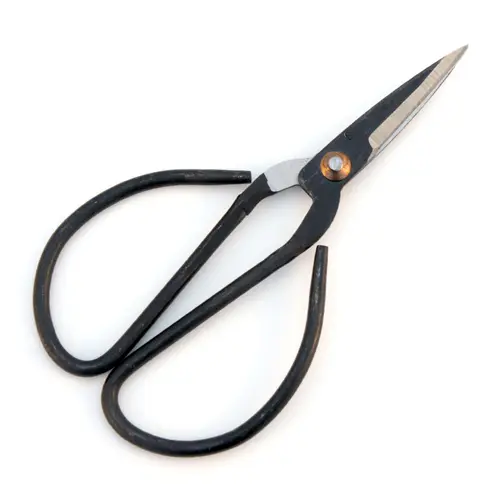
These 120mm Chinese Bonsai Pruning Scissors feature a traditional curved handle for comfort and precision. Made from durable steel, they deliver the cleanest cuts ideal for styling bonsai twigs and branches. Budget-friendly yet the highest quality, they’re essential for maintaining both bonsai health and aesthetics.
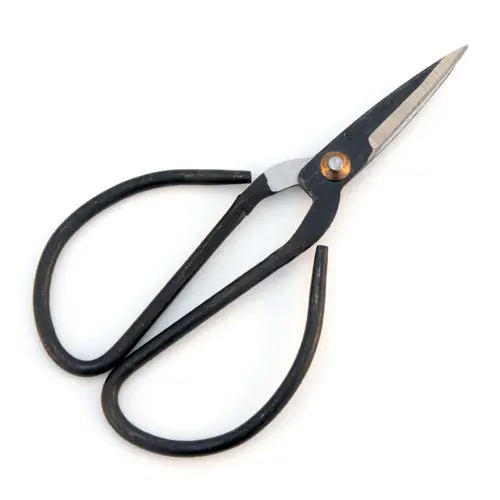
These 175mm Chinese Bonsai Pruning Scissors feature an elongated handle and small blades for precise pruning in dense foliage. Made from high-quality, durable steel with a traditional style, they offer comfort for larger hands and deliver clean cuts, ideal for styling and maintaining bonsai health.
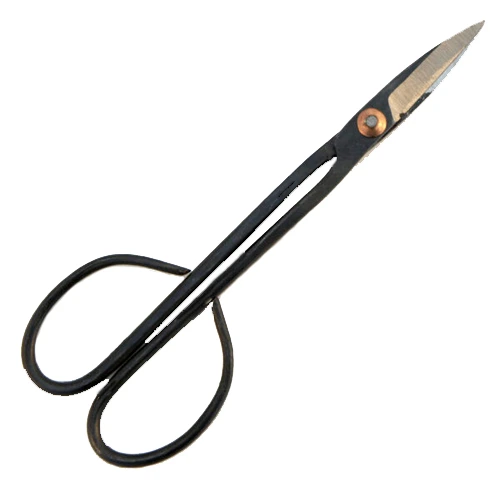
These 185mm Chinese Long-Handled Bonsai Pruning Scissors feature an elongated handle for precise pruning in dense foliage. A durable and budget-friendly implement, they can offer clean, accurate cuts suitable for various bonsai species. Comfortable for larger hands, they’re essential for styling and maintaining bonsai health.
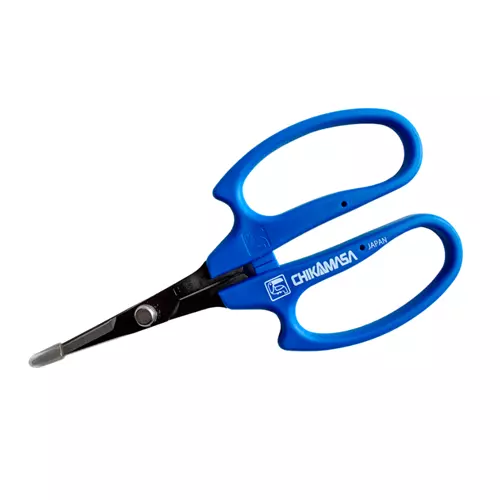
A reliable entry-level choice for beginners. The ergonomic handle provides ample finger space and steady control, and the stainless steel blades hold an edge well for routine trimming and shoot removal. Available in 120mm, 175mm and 185mm long-handled versions – the longer handle suits growers who need to reach into dense foliage or work at depth. A practical starting point before investing in Japanese-made tools.
What are the best mid-range bonsai pruning tools?
CHIKAMASA B-220S Pruning Scissors are precision bonsai tools made in Japan from high-quality stainless steel. Lightweight with ergonomic, open handles, they reduce hand fatigue during detailed trimming. Measuring 13cm with a 3.3cm blade, these durable scissors provide clean, smooth cuts for careful pruning and shaping.
CHIKAMASA B-600H Detail Trimming Scissors are precision pruning tools crafted in Japan from high-quality stainless steel with fluorine coating. Featuring lightweight, ergonomic shock-buffering handles, they ensure clean, gentle cuts without bruising plants. Measuring 15.5cm with a 3.5cm blade, they offer durability, comfort, and ideal control.
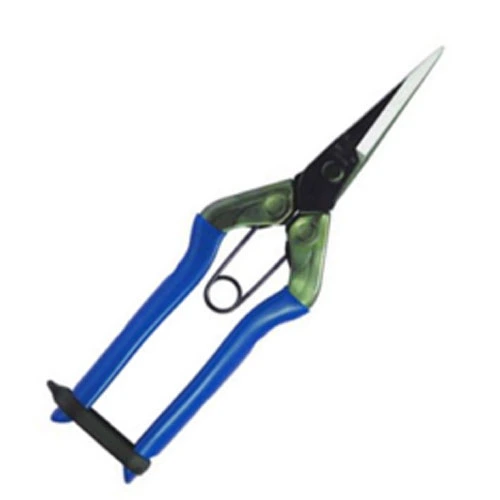
Japanese Chikamasa B-500s Scissors are premium bonsai shears crafted in Sakai, Japan, with over 100 years of expertise. Made from high-quality carbon steel, they feature sharp, fine tips, round-edged blades to protect plants, torsion springs to reduce hand strain, non-slip handles, and a safety jaw-lock.
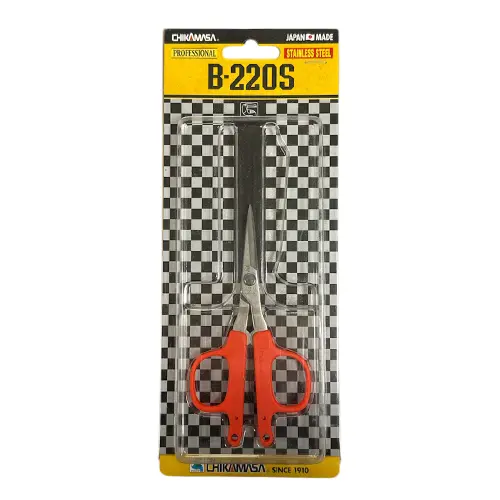
Chikamasa scissors are a significant step up in blade quality and feel. The looping handle design gives better comfort and control during extended pruning sessions, reducing hand fatigue. The longer blade length allows precise cuts in dense or hard-to-reach areas of the tree. Made in Japan to a consistently high standard. A well-suited choice for growers who have outgrown budget scissors and want tools that will last for years.
What are the best premium bonsai pruning tools?
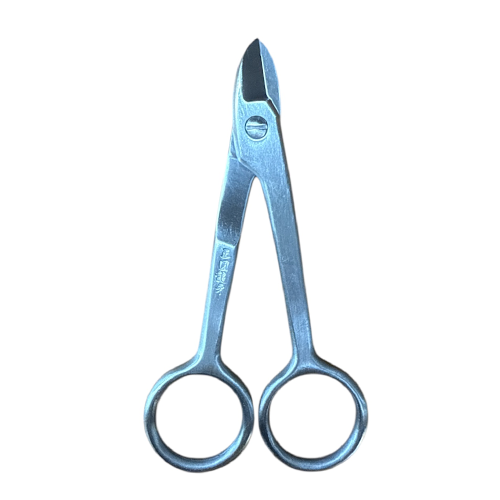
The Ryuga Stainless Steel Bonsai Wire Cutter (115mm) is a precision tool designed for fine bonsai work. Ergonomic and made to Japanese quality standards, it efficiently cuts wire up to 2mm and trims delicate foliage and small branches, making it ideal for detailed bonsai pruning.
Ryuga Stainless Steel Long-Handled Bonsai Scissors (210mm) offer precision and reach for bonsai maintenance. Made from high-quality stainless steel, they easily cut twigs up to 5mm thick. Ergonomic and durable, these scissors come with a case, combining top quality and affordability for effective bonsai care.
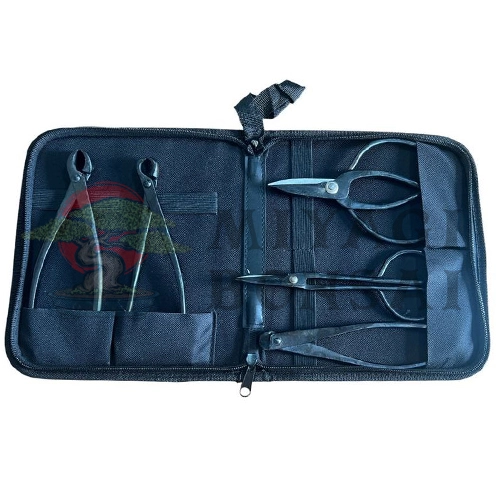
This 5-piece Chinese Bonsai Tool Kit is ideal for beginners and gifts, containing essential tools: root cutting scissors, long-handle twig scissors, branch cutters, knob cutters (175mm), and wire cutters (175mm). It provides everything needed to start and maintain bonsai trees with a precision and ease.
The 5-piece Chinese tool kit covers the full range of pruning needs in a single purchase: wire cutters, branch cutters, knob cutters, long-handle twig scissors and root cutting scissors, all stored in a protective case. Each tool is made from durable steel and suited to the full range of pruning, wiring and repotting tasks a developing bonsai grower will encounter. In our experience, growers who start with a complete kit develop a more rounded understanding of which tool to reach for in each situation, rather than making do with scissors alone.
How do you maintain bonsai pruning tools?
Proper maintenance is essential for keeping your bonsai pruning tools sharp, safe and long-lasting. Well-maintained tools make cleaner cuts, reduce the risk of infection and ensure your bonsai remains healthy throughout the year. With regular care, high-quality tools can last decades and perform consistently season after season.
1. Clean Tools After Every Use
Sap, soil and moisture can quickly build up on blades, leading to rust and dull edges. After each pruning session:
- Wipe blades with a clean cloth
- Remove resin using rubbing alcohol or horticultural cleaner
- Dry tools thoroughly before storage
This simple routine prevents corrosion and keeps tools performing smoothly.
2. Disinfect Blades to Prevent Disease Spread
Because bonsai are pruned repeatedly, tools can carry fungal spores or bacteria from one cut to another. Disinfecting is especially important when:
- Pruning multiple trees
- Working on sick or stressed bonsai
- Removing dead or damaged branches
Use isopropyl alcohol (70%+), a flame steriliser or a diluted bleach solution.
3. Sharpen Blades Regularly
Sharp tools make cleaner cuts that heal quickly. Dull blades crush tissue, which slows recovery and increases the risk of disease.
Maintain sharpness by:
- Using a sharpening stone or ceramic whetstone
- Sharpening at the correct blade angle
- Checking for nicks or dents
Most bonsai scissors and branch cutters benefit from sharpening two to three times per year, depending on usage.
4. Oil Moving Parts to Prevent Rust
A light coating of oil protects steel and keeps hinges operating smoothly. Apply:
- Camellia oil (traditional and plant-safe)
- Machine oil (thin, non-sticky)
Focus on blade edges, hinges and joints. Wipe off any excess to avoid attracting dust.
5. Store Tools in a Dry, Protected Place
Proper storage is key to long tool life:
- Use a tool roll, case or dedicated storage box
- Avoid damp areas such as outdoor sheds
- Keep blades covered to prevent accidental damage
Many enthusiasts also add silica gel packs to absorb moisture.
6. Inspect Tools Periodically
Check for:
- Loose screws or hinges
- Blade misalignment
- Rust spots
- Excessive wear
Early repairs prevent tool failure and ensure pruning remains controlled and safe.
Where do you start with bonsai pruning tools?
For most beginners, a single pair of quality bonsai scissors is all that is needed to get started. Sharp, well-made scissors make a significant difference to how cleanly branches heal; a clean cut closes faster and with less scarring than a crushed or torn one. Add a branch cutter when branches become too thick for scissors to handle cleanly, and a root rake when you are ready to repot for the first time.
Buying bonsai pruning tools from Miyagi Bonsai
Miyagi Bonsai stocks a carefully chosen range of bonsai pruning tools from budget Chinese scissors to professional Japanese Chikamasa and Ryuga blades, with next working day UK delivery available on most orders. The tools and recommendations in this guide reflect what we stock, use and see working for our customers every day. We are rated 5 stars across over 100 Google reviews, and our team is on hand by email and phone if you have any questions about choosing the right tools for your trees.
Bonsai pruning tools FAQ
If you’re new to bonsai pruning tools, these FAQs cover the basics, from which scissors to start with, to how to prune safely, to why concave cutters matter for healthy healing.
What tools are best for beginner bonsai care?
Beginners should start with sharp bonsai pruning scissors for precise cuts, sturdy wire cutters for shaping branches, a concave cutter for removing branches cleanly, and root rakes for repotting. These basic tools cover most bonsai pruning, wiring, and root care needs.
How do you prune a bonsai tree for beginners?
Start by removing dead or unhealthy branches, then trim new growth to shape the tree using sharp pruning scissors. Make clean cuts near the branch collar and avoid cutting too close to prevent damage. Prune gradually to avoid stressing the tree.
Can you trim a bonsai tree with regular scissors?
Regular scissors are not recommended as they lack precision and sharpness, which can damage bonsai branches. Specialized bonsai scissors provide clean cuts essential for tree health and shaping.
What is the best time to prune a bonsai?
Early spring or late winter, before active growth starts, is ideal for structural pruning. Light pruning can be done anytime during the growing season to maintain shape. Avoid heavy pruning in cold or dormant months.
What are the basic rules for bonsai shaping?
Shape bonsai gradually, focus on balance, remove crossing branches, and use wiring to position limbs. Avoid drastic cuts and maintain the natural flow of growth to keep the tree healthy and beautiful.
Why are concave cutters important in bonsai pruning?
Concave cutters make clean, inward angled cuts that heal evenly without leaving unsightly stubs. This promotes faster healing and preserves the tree’s aesthetic.
How should bonsai tools be maintained?
Keep tools clean, dry, and sharp to prevent disease spread and ensure precise cuts. Regularly oil metal parts and store in protective cases to extend tool life.