
Yes, most bonsai trees require around 5–6 hours of direct sunlight per day to grow healthily. Adequate sunlight is essential for photosynthesis, supporting strong growth, vibrant foliage, and overall vitality. However, the exact light requirements vary depending on the bonsai species and whether the tree is grown indoors or outdoors.
Which light setup suits your situation?
If you are unsure which category your tree falls into, check the species. A full-sun outdoor bonsai placed in a low-light indoor environment is the most common cause of slow decline in beginner trees.
This guide explains how much sunlight bonsai trees need, which species tolerate shade or low-light conditions, and how to provide proper lighting indoors using natural or artificial light. With the right placement and light balance, bonsai trees can thrive in a wide range of environments.
Most bonsai trees require direct sunlight to maintain healthy growth, though requirements vary by species and growing environment. Outdoor bonsai such as juniper and pine typically need full sun to remain compact and vigorous, while some indoor varieties are better suited to bright, indirect light.
Although certain bonsai can tolerate lower light levels, reduced exposure often results in slower growth and weaker structure. Matching each tree to its preferred light conditions is essential for long-term health.
In homes where natural sunlight is limited, artificial grow lights can be used to supplement exposure and support consistent development, particularly for indoor bonsai.

Many traditional bonsai species require full sun exposure to grow correctly and maintain compact form. These trees originate from open environments and struggle when light levels are too low.
Juniper Bonsai – Requires direct sunlight to maintain dense foliage and healthy colour; unsuitable for indoor growing.
Pine Bonsai – Needs full sun to support needle health and seasonal growth cycles.
Maple Bonsai – Prefers full sun to partial shade, with light protection from intense midday sun during summer.
These species should ideally be grown outdoors, where they can receive consistent sunlight throughout the day. When kept in shade or indoors, full-sun bonsai often develop elongated growth, sparse foliage, and long-term health issues.

Some bonsai species thrive best in bright, indirect light, rather than prolonged exposure to strong direct sun. These are typically tropical or subtropical trees that naturally grow beneath forest canopies.
Ficus Bonsai – Highly adaptable and ideal for indoor environments; prefers bright rooms without harsh direct sunlight.
Carmona Bonsai (Fukien Tea) – Benefits from indirect light and high humidity, with gentle morning sun if available.
Chinese Elm Bonsai – Tolerates both indoor and outdoor conditions, performing best with bright light and limited direct exposure.
These bonsai are well-suited to south- or east-facing windows, where they receive consistent light without excessive heat. Avoid placing them in deep shade, as insufficient light can still lead to slow growth and leaf drop.
Although no bonsai thrives in darkness, some species are more tolerant of low-light conditions than others. These bonsai can survive in rooms with limited natural sunlight, though growth may be slower.
Jade Bonsai – Stores moisture in its leaves and adapts well to indirect light; requires careful watering to avoid root rot.
Ficus varieties – Can tolerate lower light levels, though brighter conditions encourage stronger growth.
In homes with limited daylight, LED grow lights are strongly recommended. Position lights approximately 10–12 inches above the bonsai and run them for 12–16 hours per day. While artificial light does not fully replace natural sunlight, it significantly improves health and prevents weak, leggy growth.

Bonsai trees often show clear warning signs when light levels are insufficient. One of the most common indicators is elongated or leggy growth, where branches stretch toward the nearest light source. Leaves may also become pale, yellow, or smaller than normal.
Additional signs include:
Slowed or stunted growth
Increased susceptibility to fungal issues, such as mouldy soil
Full-sun species typically show these symptoms more quickly when grown indoors, while shade-tolerant bonsai may decline more gradually. If these signs appear, relocating the tree to a brighter position or supplementing it with artificial lighting can rapidly improve its condition.
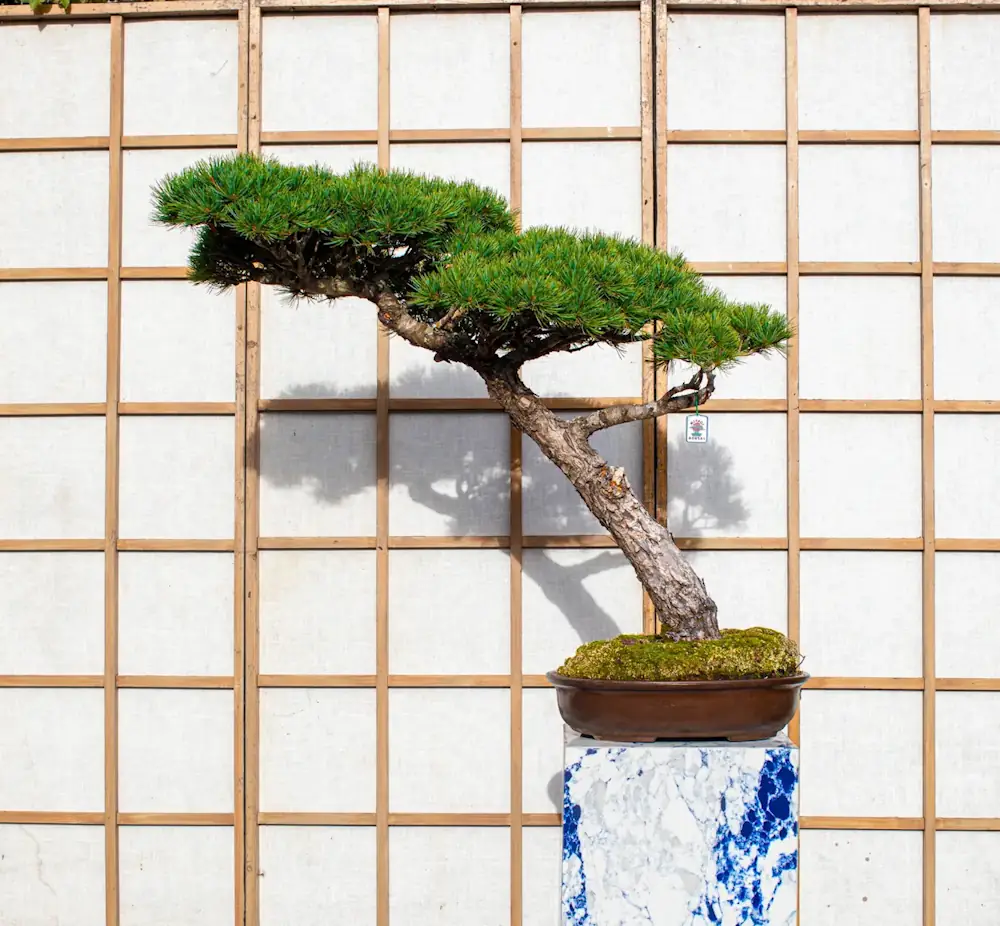
When deciding where to place a bonsai tree, it’s essential to consider both indoor and outdoor settings. The following guidelines outline optimal placement.
For bonsai kept indoors, south-facing windows are excellent. They offer the maximum light exposure necessary for many bonsai species to thrive.
Bonsai should be kept away from drafts and sudden temperature changes to maintain a stable environment. Regularly rotating the tree can also aid in even light distribution.
An east-facing location can work well, providing soft morning light without the intense afternoon heat.
For outdoor bonsai, selecting a spot with adequate sunlight is crucial. Shielding bonsai from extreme weather conditions, like harsh winds and storms, helps in promoting optimal growth.
Adjust placement seasonally as light patterns change to ensure the tree continues to receive adequate sunlight throughout the year.
The best location for an indoor bonsai is a room with consistent natural light. Living rooms, kitchens, and home offices with large windows are often suitable. A south-facing window typically provides four to eight hours of sunlight per day, which meets the needs of most indoor bonsai species.
If natural light is insufficient, LED grow lights can be used to supplement exposure. Lights should be positioned above the tree and operated long enough to replicate natural daylight cycles. With proper placement and lighting, indoor bonsai can remain healthy and visually striking year-round.
In our experience, the most common light mistake beginners make is placing a full-sun outdoor species, such as Juniper, in an indoor position and expecting it to adapt. These trees do not adapt to low light; they decline slowly and steadily until the cause is identified. If a tree is visibly losing density or producing elongated growth, light is the first thing to check before watering or feeding is adjusted.
Miyagi Bonsai stocks a carefully chosen range of indoor and outdoor bonsai trees suited to a wide range of light conditions, with next working day UK delivery available on most orders. The products and recommendations in this guide reflect what we stock, use and see working for our customers every day. We are rated 5 stars across over 100 Google reviews, and our team is on hand by email and phone if you have any questions about choosing the right tree or positioning it correctly in your home or garden.
Bonsai light requirements can vary depending on species, environment, and whether the tree is grown indoors or outdoors. The following frequently asked questions address common concerns about sunlight, placement, and general care, helping clarify how to provide the right conditions for healthy growth and long-term vitality.
Most bonsai trees need several hours of good light each day to stay healthy. Outdoor bonsai often thrive in full sun, while indoor bonsai typically prefer bright, indirect light near a window. Adequate sunlight supports strong growth, healthy leaves, and balanced development.
Yes, many indoor bonsai species can grow well in bright, indirect sunlight. Trees such as Ficus, Chinese Elm, and Fukien Tea adapt well to indoor environments when placed near a bright window. However, very low light conditions can weaken growth and reduce foliage density.
Indoor bonsai are best placed close to a bright window where they can receive several hours of natural daylight. In the UK, south-facing windows usually provide the strongest light. Avoid placing bonsai in dark corners or far from windows where light levels are insufficient.
Insufficient sunlight can cause weak growth, pale leaves, and long, stretched stems as the tree tries to reach for light. Over time the bonsai may drop leaves or stop producing new growth. Providing brighter light or moving the tree closer to a window can help restore health.
Yes, light is one of the most important factors in bonsai care. Beginners should focus on placing their bonsai in a bright location where it receives consistent daylight. Proper lighting helps prevent many common problems such as weak growth, leaf drop, and slow development.
Some bonsai species can suffer if exposed to very intense midday sun, especially when grown indoors or in shallow containers. Excessive heat can dry out soil quickly and scorch delicate leaves. Providing morning sun and light afternoon shade is often ideal for many species.

