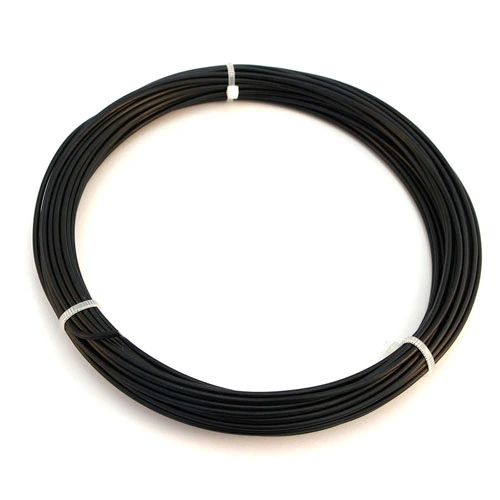
Beginners Guide to Bonsai Training Wire
Bonsai training wire is aluminium or copper wire wrapped around branches to hold them in a new position while the wood sets. It is one of the most effective tools for shaping a bonsai tree, allowing you to create movement, balance and structure that pruning alone cannot achieve. Aluminium wire is the standard choice for beginners; softer, easier to apply and less likely to damage bark than copper.
Which wire do you need?
- New shoots or mini bonsai – 1mm aluminium wire. Light and flexible, suited to the most delicate growth without risk of damage.
- Young or commercially available bonsai – 2mm to 2.5mm aluminium wire. The most widely used thickness is suitable for the majority of beginner trees.
- Larger or older bonsai – 4mm to 4.5mm aluminium wire. Provides enough hold for thicker branches while remaining gentle enough to protect established bark.
As a general rule, choose wire that is approximately one third the thickness of the branch being trained.
How does bonsai training wire work?
Bonsai training wire works by gently guiding branches into a new position while they are still flexible. When a branch is wired and held in place, the tree gradually adapts as it grows, allowing the wood to “set” into its new shape over time. This process enables bonsai growers to create movement, balance and structure that would not occur naturally.
Why branches hold their shape
Young branches contain soft, flexible tissue that responds to pressure. When held in a fixed position for several weeks or months, the branch thickens and strengthens in that shape. Once the wire is removed, the branch typically retains its new form, provided it has been left on for long enough.
Why aluminium wire is beginner-friendly
Aluminium bonsai training wire is softer and more forgiving than copper, making it easier to apply and adjust. It requires less force to bend, reducing the risk of snapping branches or damaging bark. This flexibility makes aluminium wire the preferred choice for beginners and for training young or delicate bonsai trees.
Why wire thickness matters
Choosing the correct wire thickness is essential for effective training. A wire that is too thin will not hold the branch in position, while a wire that is too thick can cause unnecessary pressure and bark damage. As a general rule, the wire should be around one-third the thickness of the branch being trained to provide support without harm.
How long wire is typically left on
Bonsai training wire is usually left in place for several weeks to a few months, depending on the species, season and growth rate. Faster-growing trees will set more quickly but must be checked regularly to prevent the wire from biting into the bark. Once the branch holds its shape, the wire should be carefully removed rather than unwound to avoid damage.
What training wire do you need for mini bonsai and new shoots?
1mm x 7m Aluminium Bonsai Wire is essential for shaping and training bonsai branches and trunks. It provides temporary support to guide growth, promote ramification, and refine design. Proper skill is needed to avoid damage, with wire removal timed to prevent cutting into bark unintentionally.
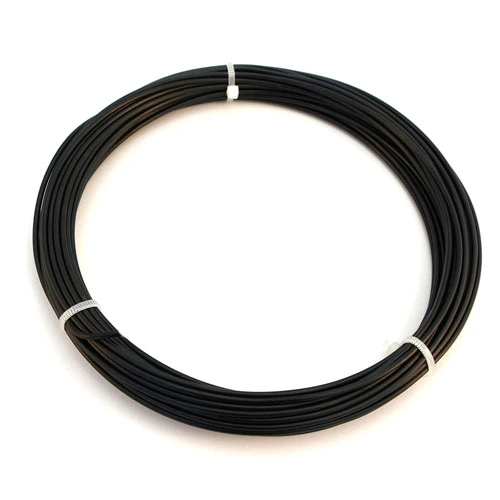
1mm x 39m 100g Aluminium Bonsai Wire is essential for shaping and training bonsai branches and trunks. It provides temporary support to guide growth, promote ramification, and refine design. Proper skill is needed to avoid damage, with wire removal timed to prevent cutting into bark.
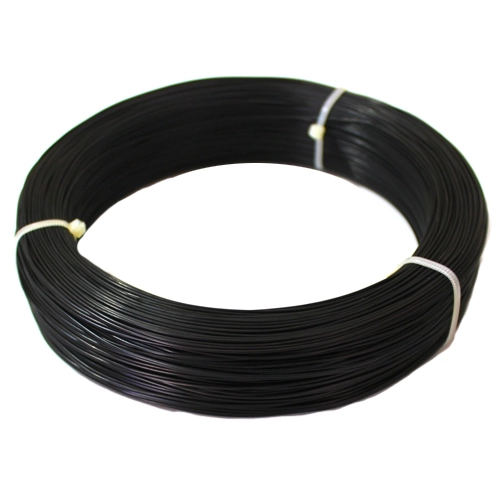
1mm x 195m 500g Aluminium Bonsai Wire is essential for shaping and training bonsai branches and trunks. It provides temporary support to guide growth, promote ramification, and refine design. Proper skill is needed to avoid damage, with wire removal timed to prevent cutting into bark.
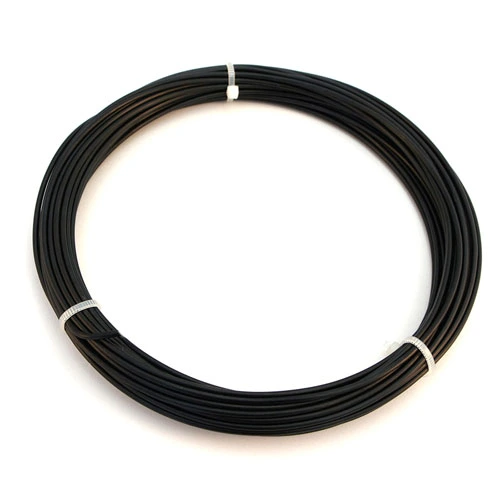
1mm aluminium wire is the lightest wire in the range and suited to new shoots, seedlings and miniature bonsai where minimal pressure is needed. Its softness makes it easy to apply without the risk of crushing or marking delicate tissue. Available in 7m, 100g and 500g spools; the larger spools suit growers who wire regularly or work with multiple trees at once. The standard choice for any growth that is too fine for 2mm wire.
What training wire suits young bonsai trees?
2mm x 2m Aluminium Bonsai Wire is used to shape and train small to medium bonsai branches and trunks. It provides temporary support for design refinement, promotes branch ramification, and controls growth patterns. Proper technique is required to prevent bark damage during wire removal procedure.
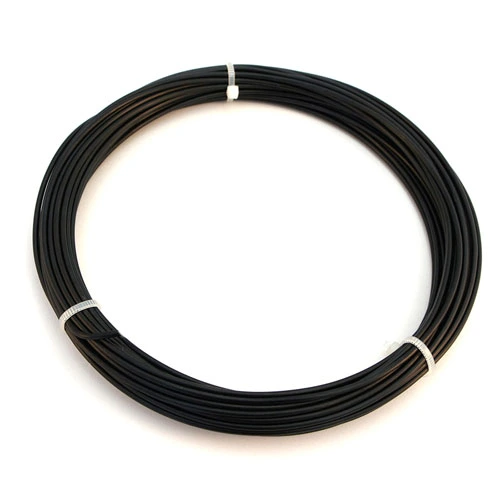
2.5mm x 7.6m Aluminum Bonsai Wire is a versatile tool for shaping and training bonsai branches and trunks. It offers temporary support to guide growth, enhance design, and promote branch ramification. Proper skill is essential to avoid damage, with timely removal to prevent cutting bark.
2.5mm x 38m 500g Aluminium Bonsai Wire is ideal for shaping and training bonsai branches and trunks across various styling tasks. It provides temporary support, refines design, and promotes branch ramification. Proper use is essential to prevent bark damage, regular monitoring and timely wire removal.
2mm to 2.5mm aluminium wire is the most widely used thickness range for bonsai training. It provides enough hold for the light to medium branches found on most beginner and intermediate trees while remaining soft enough to apply safely without specialist tools. Well-suited to trees purchased at the beginner to mid-range price point, where branch thickness is moderate. Available in 2m, 100g and 500g spools across both thicknesses; the 100g spool is a practical starting point for most growers.
What training wire suits larger and older bonsai?
4mm x 2.9m 100g Aluminium Bonsai Wire is an essential tool for shaping bonsai trees. Used to guide growth by wrapping around branches or trunks, it offers temporary support, encourages ramification, and refines design. Proper technique and monitoring are vital to prevent damage during training.
4mm x 15m 500g Aluminium Bonsai Wire is an essential tool for shaping bonsai trees. Used to guide growth by wrapping around branches or trunks, it offers temporary support, encourages ramification, and refines design. Proper technique and monitoring are vital to prevent damage during training.
4.5mm x 12m 500g Aluminium Bonsai Wire is an essential tool for shaping bonsai trees. Used to guide growth by wrapping around branches or trunks, it offers temporary support, encourages ramification, and refines design. Proper technique and monitoring are vital to prevent damage during training.
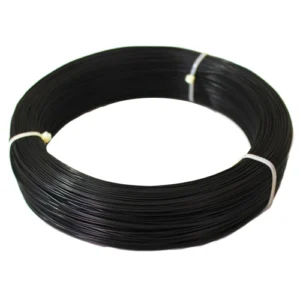
4mm to 4.5mm aluminium wire suits the thicker, more established branches found on older or larger bonsai. At this scale, copper wire would traditionally be used for its superior hold, but aluminium at this thickness provides adequate support while remaining softer and safer for bark. Particularly suited to premium trees where bark protection is a priority. Available in 100g and 500g spools across the 4mm and 4.5mm thicknesses. In our experience, growers moving up to larger trees benefit most from having both a 2.5mm and a 4mm spool available, as most styling sessions require more than one thickness.
Where do you start with bonsai training wire?
For most beginners, a 100g spool of 2mm aluminium wire is the right starting point; versatile enough for most young trees and available in a length that allows practice without significant cost. In our experience, the most common mistake beginners make is leaving wire on too long. Check wired branches every two to three weeks during the growing season and remove wire the moment it begins to mark the bark, even if the branch has not fully set.
Buying bonsai training wire from Miyagi Bonsai
Miyagi Bonsai stocks a full range of aluminium bonsai training wire from 1mm to 4.5mm, available in multiple spool sizes to suit any collection, with next working day UK delivery available on most orders. The products and recommendations in this guide reflect what we stock, use and see working for our customers every day. We are rated 5 stars across over 100 Google reviews, and our team is on hand by email and phone if you have any questions about choosing the right wire for your trees.
Bonsai training wire FAQ
Below are some of the most frequently asked questions about bonsai training wire. These answers are designed to help beginners understand how wiring works, how to use it safely, and how to achieve the best results when shaping their bonsai trees.
What is the best wire for bonsai training?
The best bonsai training wire is either anodised aluminium or annealed copper. Aluminium wire is softer and easier for beginners, making it ideal for deciduous trees and young shoots. Copper wire is stronger and better suited to conifers and thicker branches, but requires more experience to apply safely.
How long to leave training wire on bonsai?
Bonsai training wire typically stays on for 2 to 6 months, depending on the tree species and growth rate. Faster-growing trees should be checked regularly. Remove the wire before it begins to bite into the bark to prevent scarring, once the branch holds its new shape.
How to train a bonsai with wire?
To train a bonsai with wire, select wire slightly thinner than the branch. Wrap it evenly in a gentle spiral, then carefully bend the branch into position. Apply steady pressure without forcing the branch, and monitor growth regularly to remove the wire once the shape has set.
Do bonsai wire scars heal?
Bonsai wire scars can heal over time, but deeper marks may remain depending on branch age and how long the wire was left on. Prevent scarring by checking wired branches frequently, removing wire early, and using protective materials like raffia when working on thicker or sensitive branches.
What is the difference between aluminium and copper bonsai wire?
Aluminium wire is softer, lighter and easier to apply, making it the standard choice for beginners and for training young or delicate branches. It is less likely to damage bark and easier to remove. Copper wire is stiffer and holds its position more firmly, making it better suited to thicker branches that need stronger correction. It is the traditional choice in Japanese bonsai practice but requires more experience to apply without causing damage. Most beginners should start with aluminium and only move to copper once comfortable with the application process.
When should I remove bonsai training wire?
Training wire should be removed once the branch has set in its new position; typically, after several weeks to a few months, depending on species and growth rate. The key indicator is whether the branch holds its shape without the wire supporting it. Wire should always be cut off rather than unwound to avoid twisting and damaging bark. Check wired branches regularly, especially during the growing season when growth is fastest, and wire can bite into bark quickly.
Can bonsai wire damage bark?
Yes, a wire that is left on too long or applied too tightly will bite into the bark as the branch thickens, leaving spiral scars. These scars can be permanent in some species. To avoid damage, check wired branches every two to three weeks during the growing season, use wire that is approximately one-third the thickness of the branch, and always remove wire by cutting rather than unwinding. Minor wire marks typically fade over time on healthy, vigorously growing trees.


