
Your bonsai is growing unevenly because one side receives better light, water, nutrients, or root access than the rest. This is most commonly caused by uneven light exposure in early spring, when low sun angles and fixed positioning allow one side of the tree to grow faster.
This often appears as one side pushing new shoots while the other lags behind, with the shape starting to drift and the balance you worked for feeling off.
The good news is that uneven growth does not always signal a serious problem. Many bonsai show temporary imbalance as they wake from winter dormancy, and growth often evens out with simple adjustments rather than aggressive correction.
Uneven bonsai growth in spring is most often caused by uneven light exposure.
Early spring growth exaggerates small imbalances without indicating serious problems.
Rotating your bonsai and adjusting the light usually restores balance naturally.
Avoid heavy pruning or forcing growth while roots are still waking up.
Beginners noticing one-sided growth for the first time: This is almost certainly a light problem. Before doing anything else, check where your light source is relative to your tree. If your bonsai has been sitting in the same position near a window for several weeks without rotation, the brighter side has been growing faster the whole time. Turn the pot a quarter turn, maintain that rotation every seven to fourteen days, and give it four weeks before assessing whether any further action is needed. Do not prune the strong side heavily at this stage.
Indoor bonsai keepers (Ficus, Carmona, Jade, Serissa, Chinese Elm): Indoor light is inherently directional, and uneven growth is the predictable result of fixed window positioning. Rotation is the primary fix. If your growing space only has light from one direction and rotation cannot solve the imbalance adequately, a grow light positioned above the canopy running eight to ten hours daily provides a more even light distribution than any window can. This is particularly relevant for Ficus and Chinese Elm, both of which show strong apical responses to directional light.
Outdoor growers noticing lopsided spring development: Check your tree’s position relative to walls, fences, and neighbouring plants. Low spring sun angles mean that objects which cast no shadow in summer can significantly shade your bonsai in March and April. Moving the tree even thirty centimetres can change how evenly light reaches the canopy. Once repositioned, give the tree two to three weeks to show whether the change has affected growth distribution before making any pruning decisions.
Growers whose tree has been uneven for more than one season: Persistent multi-season imbalance usually involves both light and root distribution. If one side of the root ball is significantly more developed than the other, it will draw more water and nutrients regardless of how well you manage light. The correct response is to address this at the next repotting by redistributing the root mass more evenly and refreshing soil on the weaker side. In the meantime, continue managing light and use selective pruning to slow the dominant side while allowing the weaker side to extend freely.
Experienced growers managing apical dominance: Species with strong apical dominance including Japanese Maple, Chinese Elm, Juniper, Ficus, and Pine will always show a tendency to push the apex harder than lower branches. This is not a fault in your care. It is a structural tendency that requires seasonal management. Pinch apex growth regularly through spring and early summer, allow lower branches to extend freely, and use directional pruning rather than wiring to address imbalance at this time of year. The goal is to slow the apex relative to the rest of the tree, not to equalise all shoots simultaneously.
In most cases, uneven spring growth in bonsai is caused by directional light rather than watering or fertiliser issues.
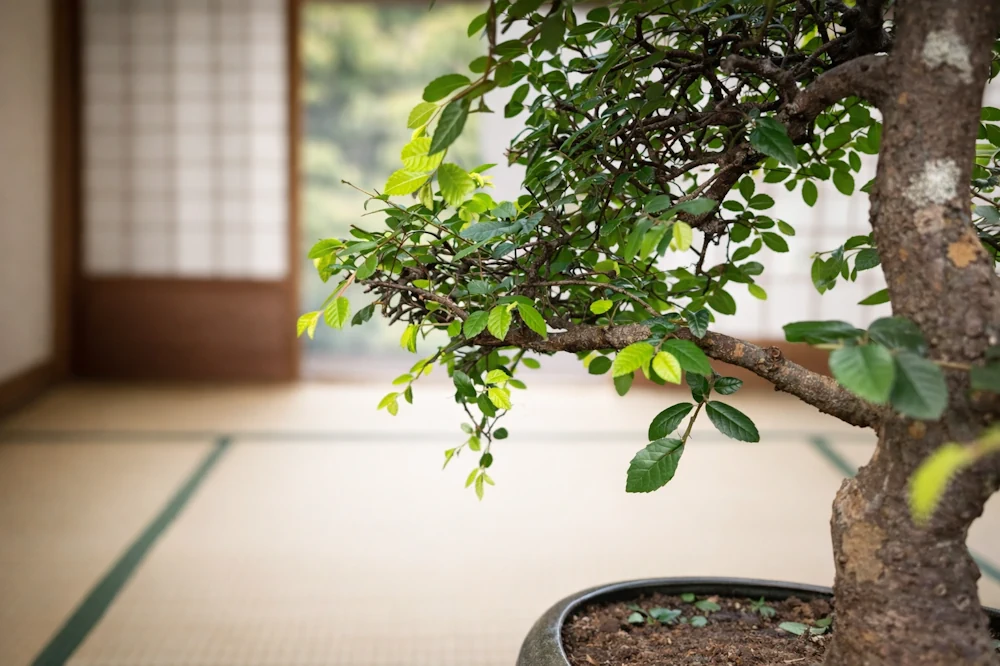
Uneven growth in spring means one part of your bonsai wakes up faster than the rest. You might see buds opening on one side, longer shoots on a single branch, or denser leaves in one area.
This often worries growers in March. In many cases, this pattern is normal and temporary as your tree comes out of winter dormancy.
Spring triggers growth using stored energy from the previous year. Buds with better access to light or stronger energy reserves activate first. The rest usually follows as temperatures and daylight increase.
Light plays a major role at this stage. Your bonsai naturally grows towards its strongest light source, which can cause visible imbalance early on.
Common spring light issues include:
Seasonal daylight changes also matter. In spring, trees receive about 10–12 hours of light, which promotes rapid but uneven early growth.
| Factor | How It Affects Spring Growth |
|---|---|
| Stored energy | Strong buds open first |
| Light direction | Shoots grow towards light |
| Temperature swings | Delay weaker areas |
Water and nutrients amplify these effects. Early fertilising can push already active areas faster, while cooler roots slow other sections.
As spring settles, growth usually evens out with consistent light, careful watering, and patience.
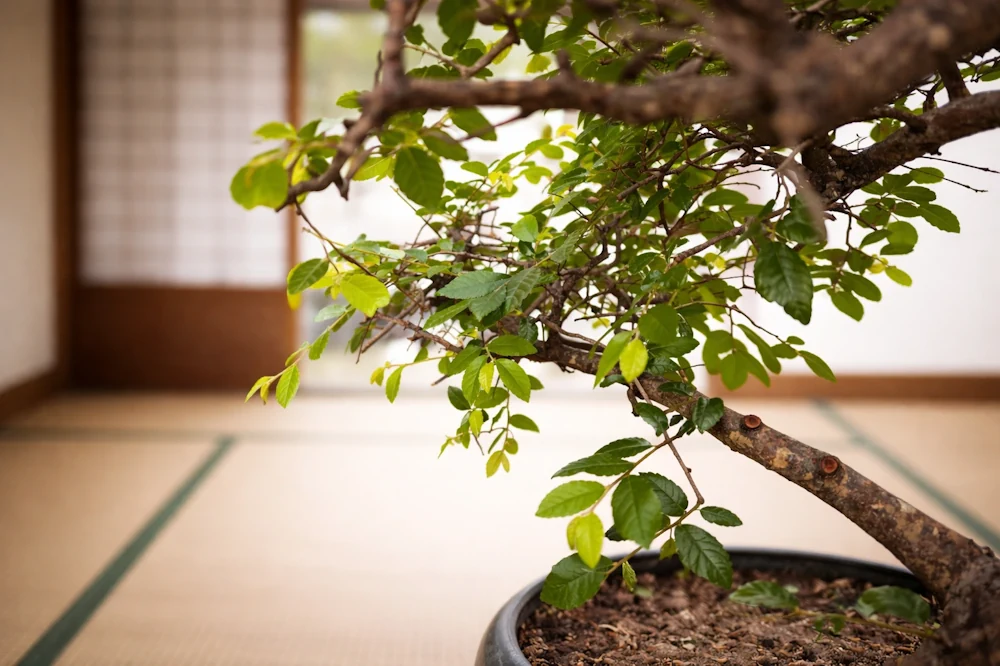
Early spring often exposes growth differences that stayed hidden during winter. Stored energy, bud behaviour, and shifting weather combine to push some areas of your bonsai into growth before others.
During winter, your bonsai stores energy in its roots, trunk, and thicker branches. It saves sugars made during the previous growing season and holds them until conditions improve.
When spring arrives, the tree releases this energy unevenly. Stronger branches and thicker areas sit closer to these reserves, so they receive energy first. Weaker or finer branches wait longer for enough supply.
You often see this pattern:
This response helps the tree survive in nature. Your bonsai still follows that pattern, even in a controlled setting.
Buds do not all activate at the same time. Each bud responds to local conditions and internal strength rather than a fixed schedule.
Several factors affect which buds open first:
Buds on strong, well-lit branches swell earlier. Buds on shaded or recently pruned areas often stay dormant longer.
This uneven timing feels worrying, but it is normal in early spring. The tree tests conditions before committing energy across all growth points.
March makes uneven growth stand out because change happens quickly. Daylight increases, but temperatures still fluctuate, especially in the UK.
Warm days can trigger sudden bud movement. Cold nights slow everything back down. This stop-start pattern exaggerates differences between strong and weak areas.
You may notice:
These swings highlight natural imbalances that smooth out later as conditions stabilise.
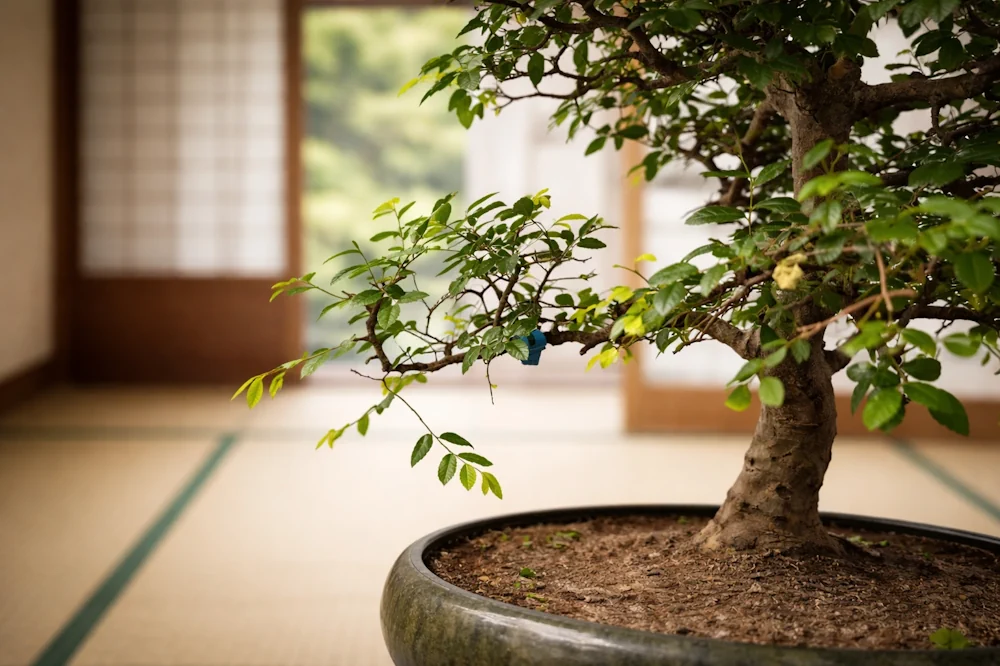
Light imbalance causes most cases of uneven growth when growing bonsai, especially in spring. Light direction and strength decide which branches extend faster, and low seasonal sun angles make the problem more noticeable.
Indoor bonsai placed near windows often receive light from one side only. The side facing the glass gets stronger, longer exposure, while the back remains shaded for most of the day.
You may leave the tree in the same position for weeks. That single habit leads to uneven branch length, larger leaves, and thicker shoots on the brighter side.
Common signs include:
Glass also filters light. Even a bright window delivers less usable light than outdoor sun, which makes the imbalance worse indoors.
To reduce this, rotate your bonsai a quarter turn every 7–14 days. Keep the distance from the window consistent to avoid sudden growth shifts.
Outdoor bonsai face a different issue in early spring. The sun stays low in the sky, and light comes from a narrow angle for much of the day.
One side of your bonsai may receive direct sun for several hours. The opposite side stays cooler and shaded, even in open spaces.
This often happens when:
Spring growth starts fast once buds open. If light hits one side more strongly at this stage, that side sets the growth pattern for the season.
Adjust placement early. Small position changes now prevent large shape problems later.
Branches that receive more light grow faster. They produce more leaves, which increases photosynthesis on that side of the tree.
This creates a feedback loop:
The shaded side cannot compete. It grows slower, with shorter shoots and smaller leaves.
Over time, the strong side draws more water and nutrients through shared roots. That further weakens the shaded side.
Balanced light keeps energy distribution even. When you manage light well, pruning becomes corrective rather than reactive.
Some bonsai species show uneven growth as part of their natural habit. Spring growth patterns depend on how energy moves through the tree, how strongly the top controls growth, and whether you grow the bonsai indoors or outdoors.
Deciduous bonsai often show uneven growth in spring because buds do not open at the same time. Species like maple, elm, hornbeam, and beech tend to push strong shoots at the tips first.
This happens because stored energy flows to the most exposed buds. Upper and outer branches usually receive that energy first.
Evergreen bonsai behave differently. Juniper, pine, spruce, and yew grow more slowly and in stages.
You may still see uneven growth, but it appears as:
Evergreens rely more on light than stored energy. If light stays uneven, growth stays uneven too.
Apical dominance means the top of the tree grows more strongly than the lower branches. The leading shoot controls where most energy goes.
Bonsai species with strong apical dominance include:
In spring, these species often produce long top shoots while lower branches lag behind. You may see rapid extension at the apex within weeks.
This uneven growth is normal. If you do not manage it, the top thickens faster and the shape becomes unbalanced.
You control this by:
Indoor bonsai show uneven growth more often than outdoor trees. Light indoors usually comes from one direction and lacks intensity.
Species commonly kept indoors include:
These trees lean and stretch toward windows. One side grows longer and stronger.
This leads to more even bud break and balanced development.
If you grow bonsai indoors, rotate the tree every 7–14 days. Supplement with grow lights to reduce one-sided growth.
Uneven growth does not always signal poor bonsai health. Some patterns resolve on their own, while others create lasting bonsai tree problems if you ignore them. Careful observation helps you decide when to wait and when to act.
Uneven growth often appears during early spring. One side may push new shoots first as temperatures rise or daylight increases.
This behaviour commonly occurs when:
Deciduous species show this pattern more than conifers. It usually balances out within 3–6 weeks as light and warmth stabilise.
You may also see short‑term uneven growth after pruning or repotting. The tree prioritises recovery, not symmetry.
As long as new growth appears across the canopy and leaf colour stays consistent, this pattern rarely harms bonsai health. Avoid heavy pruning during this phase. Let the tree settle before making adjustments.
Uneven growth becomes a problem when it persists across seasons. Ongoing dominance on one side can distort structure and weaken balance.
Watch for these risk factors:
Left unmanaged, this can cause:
This type of imbalance affects both appearance and long‑term stability. It can also stress the root system.
You do not need urgent action. Small steps work better. Rotate the tree regularly and prune dominant areas lightly to restore even energy flow.
Many bonsai fix minor imbalances without intervention. The key is recognising early signs of recovery.
Positive indicators include:
You may also notice slower growth on dominant shoots. This shows the tree is redistributing energy.
Use this simple check:
| Sign | What It Means |
|---|---|
| Buds on shaded branches | Energy is rebalancing |
| Even leaf colour | Nutrient flow is stable |
| Balanced shoot length | Growth is self‑correcting |
When you see these changes, maintain current care. Avoid extra pruning or fertiliser. Consistency supports natural correction.
Early spring gives you the safest window to correct uneven growth without stressing your tree. Small, steady adjustments to light, pruning, and positioning work better than fast fixes. Patience and consistent bonsai care protect long-term structure and health.
Uneven light causes one side of your bonsai to grow faster. Rotating the pot spreads light more evenly and slows dominance.
Turn your bonsai a small amount every 1–2 weeks during active growth. Avoid full rotations in one move. A gradual shift helps the tree adapt without stress.
Best timing:
Keep other factors stable. Use a consistent watering routine and the same watering angle. Stable moisture in your bonsai soil mix prevents root stress while the canopy adjusts.
Watch how new shoots respond. If one side still grows faster, slow the rotation rather than increasing it.
Pruning controls energy flow. You slow strong areas so weaker sections can catch up.
Focus on light, selective cuts. Remove:
Avoid heavy pruning in early spring. Large cuts can trigger rapid regrowth in the same strong areas. Be precise. Assure your cuts give spacious internodes. Trimming elongated shoots helps form compact growth.
Use clean tools and make small cuts. Leave weaker branches untouched so they gain strength. Combine pruning with stable bonsai tree care, including proper feeding and well-draining bonsai soil.
Reassess after 3–4 weeks. New growth tells you if the balance improves.
Sudden light changes stress bonsai. Gradual improvement works better.
If your tree needs more light, increase exposure by 30–60 minutes every few days. Move it closer to a window or into a brighter shade outdoors.
Follow these steps:
Keep watering steadily. Changes in light affect water use, and uneven moisture in bonsai soil can restart an imbalance.
If you grow indoors, use grow lights on a timer. Set consistent hours rather than long, irregular sessions. This supports controlled, even growth without shock.
Early spring growth often looks uneven, but quick fixes usually make the problem worse. Avoid heavy-handed actions that weaken strong areas, stress weak ones, or interfere with normal spring recovery.
It feels logical to cut back the strong side hard to “even things up.” In early spring, that reaction often backfires.
Strong areas drive recovery after winter. If you remove too much at once, you reduce the tree’s energy supply just when it needs it most. This form of improper pruning can slow bud break, weaken root activity, and delay overall balance.
Problems caused by over-pruning include:
Limit pruning to clear structural issues only. Leave healthy extension growth until the tree shows stable, even vigour. Gradual correction works better than aggressive cuts.
Weak buds often lag behind in early spring, especially on shaded or previously stressed areas. Forcing them rarely helps.
Pushing growth with extra fertiliser or hard pruning stresses the tree while roots are still waking up. Early spring roots absorb nutrients unevenly, so added feed often fuels strong areas instead of weak ones.
Common mistakes include:
Focus on light exposure and consistent watering instead. Weak buds usually respond once temperatures stabilise and roots activate fully.
Wiring or defoliating during uneven spring growth can lock problems in place.
Branches thicken quickly in spring. Early wiring increases the risk of wire bite within weeks, especially on strong sections. Defoliation removes stored energy and disrupts recovery after winter dormancy.
Early intervention risks:
Wait until growth rates even out. Stable spring extension gives you clearer signals about what needs adjustment and what should stay untouched.
As spring progresses, longer days and stronger growth can quickly repeat earlier imbalances. You can prevent this by managing light exposure, feeding at the right time, and prioritising long-term structure over short bursts of growth.
As daylight increases from roughly 10 to 14 hours, your bonsai reacts fast. Shoots extend toward the strongest light, often creating one-sided growth if you leave the tree in a fixed position.
Rotate your bonsai every 7–14 days to spread light evenly. Small, regular turns work better than large adjustments.
Pay attention to window direction. East- or south-facing windows create stronger growth on the light-facing side.
To keep growth even:
Balanced light early in spring reduces the need for corrective pruning later.
Spring feeding drives growth, but poor timing can exaggerate uneven development. Strong areas respond faster to nutrients, while weaker branches fall further behind.
Start feeding only once new growth hardens slightly. This usually occurs a few weeks after buds open.
Use a balanced bonsai fertiliser rather than a high-nitrogen option. Balanced feeds support roots and fine branching, not just leaf size.
Good feeding habits include:
Controlled feeding supports even energy distribution across the whole tree.
Bonsai training focuses on shape over the years, not fixing every uneven shoot in spring. Short-term imbalances are normal during active growth.
If you prune every strong shoot immediately, you weaken the tree and slow overall development. Instead, let stronger areas grow slightly, then prune back once weaker areas catch up.
Think in seasons, not weeks:
Use wiring and selective pruning to guide structure rather than chasing perfect symmetry. Long-term balance creates healthier and more stable growth patterns.
Start with rotation. It costs nothing, takes seconds, and addresses the most common cause of uneven spring growth immediately. A quarter turn every seven to fourteen days spreads light evenly across the canopy and prevents one side from establishing dominance before you have noticed the problem.
In our experience at Miyagi Bonsai, the growers who maintain the most even canopies are not those who prune the most carefully. They are the ones who rotate consistently and address light before reaching for scissors. Pruning corrects shape. Rotation prevents the imbalance from forming in the first place.
Miyagi Bonsai stocks a carefully chosen range of indoor and outdoor bonsai trees alongside spring care accessories, including grow lights, specialist bonsai soils, balanced fertilisers, and training tools, with next working day UK delivery available on most orders. Every tree comes with a personalised care guide tailored to the species and your growing environment. We are rated 5 stars across over 100 Google reviews, and our team is on hand by email and phone if you have any questions about spring growth management, light positioning, or species-specific care.
Uneven bonsai growth usually links back to light direction, pruning habits, watering patterns, or root health. Small adjustments to daily care often correct the problem before it becomes permanent.
Start by pruning the strongest branches on the dominant side. This redirects energy to weaker areas.
Rotate the tree regularly and check that light reaches all sides. Combine pruning with consistent watering to support balanced recovery.
Light almost always causes this issue. Bonsai grow towards the strongest light source.
Other common causes include uneven watering, nutrient shortages, or compacted roots. Each factor can limit growth on one side of the tree.
Yes, uneven light exposure is one of the most common causes. Branches facing the light grow faster and longer.
East–west placement often increases this effect due to stronger afternoon sun. Rotating the pot helps spread light evenly.
Use selective pruning rather than heavy cutting. Remove long shoots from the dominant side first.
Focus on thinning rather than shortening when possible. This keeps airflow and light balanced across the canopy.
Yes, this is common, especially indoors. Trees naturally grow towards light.
Address it by rotating the bonsai, adjusting its position, and pruning excess foliage. Early action prevents long-term shape problems.
Rotate your bonsai every 1–2 weeks. A quarter turn is usually enough.
Watch how the tree responds and adjust if one side still grows faster. Consistency matters more than precision.

