
Deciduous trees are species that lose their leaves annually to conserve energy and water, unlike evergreens that keep their foliage year-round. This natural rhythm shapes entire ecosystems and creates the vibrant colours we associate with autumn. These trees bring life and change to every landscape, revealing new growth with every season.
We can find deciduous trees across most temperate regions of the world, from the sturdy oak (Quercus) to the graceful birch (Betula) and the colourful maple (Acer). Each species offers unique textures, shapes, and seasonal displays that make gardens and woodlands dynamic. Their leaf cycles also support wildlife by providing food, shelter, and nutrients to the soil.
Choosing the right deciduous species for a garden or landscape means thinking about soil, climate, and the desired look through the seasons. When we understand how these trees grow and what they need, we can enjoy their beauty and benefits for decades.

When we talk about deciduous trees, we mean trees that shed their leaves once a year. The word deciduous comes from the Latin decidere, meaning “to fall off.” These are the familiar leaf-shedding trees we see turning colour and dropping leaves in autumn.
We often see this cycle in temperate regions, where trees respond to shorter daylight hours and cooler temperatures. In tropical areas, some deciduous species lose their leaves during the dry season instead of autumn.
During leaf fall, a process called abscission occurs. The tree forms a small separation layer at the base of each leaf stem, cutting off water and nutrients. As chlorophyll breaks down, the green colour fades, revealing yellow, orange, and red pigments before the leaves drop. This marks the start of dormancy, when the tree conserves energy for winter.
Common examples include oak, maple, birch, ash, willow, and beech. Each has its own distinct shape, bark, and leaf form, but all share the same seasonal rhythm of growth and rest.
Deciduous trees play a key role in our ecosystems. Their fallen leaves decompose into rich organic matter, recycling nutrients back into the soil. They also create habitats for insects, birds, and small mammals.
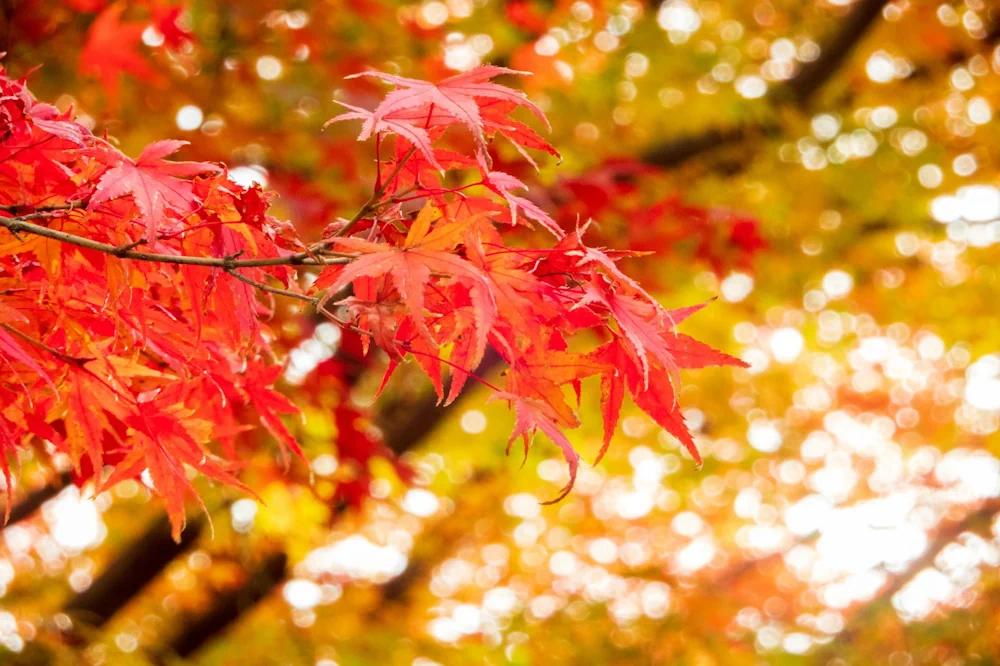
We often recognise deciduous trees by their seasonal leaf changes, but their diversity extends far beyond that. They differ in shape, family, and habitat, ranging from broadleaf giants to delicate flowering species and tropical varieties that shed leaves during dry seasons.
Broadleaf deciduous trees dominate many temperate landscapes. Families such as Fagaceae, Betulaceae, and Juglandaceae include some of the most common species we see in parks and woodlands.
We also find walnut trees (Juglans regia, Juglans mandshurica) from the Juglandaceae family valued for their nuts and fine-grained wood. Chestnut trees (Castanea mollissima) share similar growth habits and produce edible nuts.
Flowering deciduous trees bring seasonal interest with their spring blooms and colourful leaves in autumn. They often serve as focal points in gardens and urban landscapes.
We appreciate these trees for their ornamental value, pollinator support, and compact growth suited to small spaces. Many flowering deciduous species follow a clear seasonal rhythm: spring flowering, summer shade, and autumn colour, adding year-round visual interest.
Deciduous trees thrive in both temperate and tropical zones, adapting leaf loss to cold or dry seasons. In temperate regions, species like Ash (Fraxinus spp.), Elm (Ulmus spp.), and Larch (Larix spp.) dominate mixed forests.
The Willow tree and Weeping Willow prefer moist soils, providing flexibility and resilience along riversides. These trees play key ecological roles by stabilising soil and supporting wildlife.
In tropical and subtropical zones, Teak (Tectona grandis), Jacaranda, and Frangipani (Plumeria spp.) shed leaves during dry periods to conserve water. The China Wingnut (Pterocarya stenoptera), found in East Asia, bridges the gap between temperate and subtropical forests with its broad leaves and winged seeds.
Together, these examples illustrate how deciduous trees adapt leaf-shedding strategies to their local climates, ensuring survival and seasonal renewal across diverse environments.
As a general rule: for UK gardens, broadleaf and temperate deciduous trees offer the best combination of hardiness, ecological value, and visual interest across all four seasons. Flowering deciduous trees add seasonal punctuation but work best alongside longer-season structural specimens.
When we compare deciduous vs evergreen trees, the main difference lies in how each manages its leaves. Deciduous trees shed their leaves once a year, usually in autumn, while evergreen trees keep their foliage year-round. This cycle affects how both groups handle light, water, and seasonal change.
Deciduous species, such as oak, maple, and birch, drop their leaves to conserve water and energy during colder months. Evergreens like pine, spruce, and fir retain their needles, allowing them to photosynthesise whenever conditions permit, even in winter.
| Feature | Deciduous Trees | Evergreen Trees |
|---|---|---|
| Leaf Cycle | Shed leaves annually | Retain foliage all year |
| Photosynthesis | Active mainly in spring–summer | Continuous, though slower in winter |
| Climate Adaptation | Prefer temperate zones | Thrive in cold or dry areas |
| Maintenance | Require leaf cleanup | Minimal leaf litter |
| Examples | Maple, Oak, Birch | Pine, Spruce, Fir |
In terms of climate adaptation, deciduous trees suit regions with distinct seasons. Their leaf drop reduces water loss during dry or cold periods. Evergreens adapt to harsher climates with needle-like leaves that resist freezing and minimise water loss.
For landscape use, deciduous trees offer summer shade and winter sunlight, helping regulate temperature around homes. Evergreens provide consistent greenery, privacy, and wind protection. We often combine both types in gardens to balance seasonal colour with year-round structure.
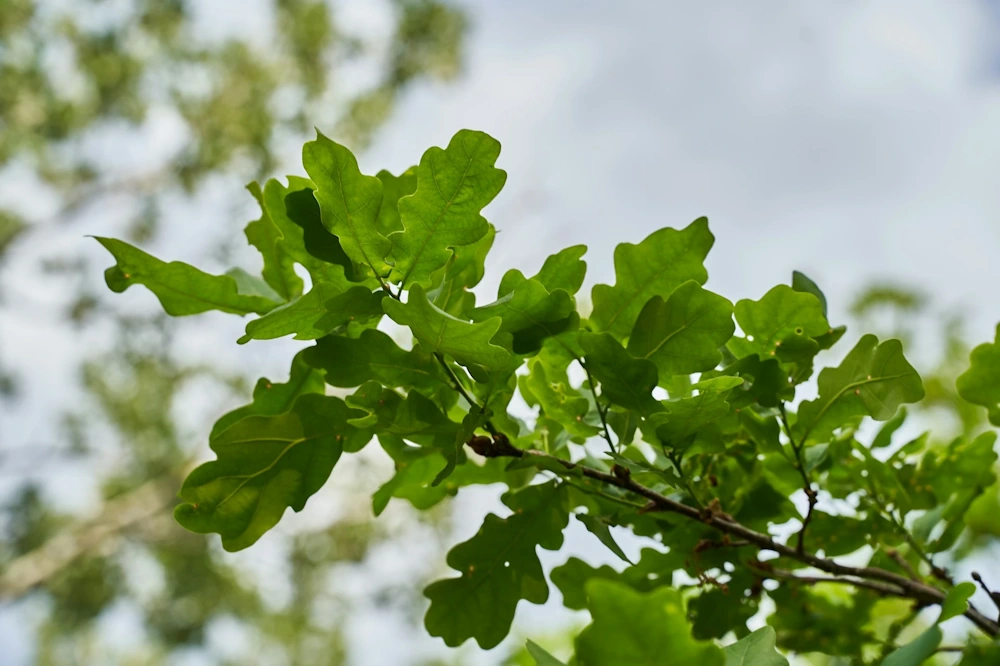
When we choose a deciduous tree, we start by thinking about space, soil, and climate. The right tree fits both the garden’s conditions and our long-term plans. It’s easier to plant once than to remove a tree that’s grown too large or caused root problems near driveways or lawns.
Size and shape matter most. For small gardens, compact species like Amelanchier or Crab apple add colour and structure without dominating the space. Larger plots can handle shade trees such as Birch, Hornbeam, or Lime, which form tall canopies ideal for cooling outdoor areas.
We also consider the growth rate. Silver birch and Rowan grow quickly, providing fast results, while slower species like Oak or Maple offer longevity and sturdier form. Fast-growing deciduous trees are great for new gardens but may need more pruning to maintain shape.
Soil and drainage affect success. Most deciduous trees prefer fertile, well-drained soil, but Willow and Alder tolerate wetter ground. In drier sites, Field maple or Hawthorn cope better. Matching the species to the site reduces maintenance and watering needs.
| Garden Need | Recommended Trees | Notes |
|---|---|---|
| Small gardens | Amelanchier, Crab apple, Japanese maple | Compact, decorative foliage |
| Shade and cooling | Birch, Hornbeam, Lime | Broad canopy, good for seating areas |
| Fast-growing | Rowan, Silver birch, Willow | Quick results, moderate upkeep |
| Low-maintenance | Hazel, Hawthorn, Field maple | Hardy and wildlife-friendly |
By focusing on these factors, we can choose trees that thrive, look attractive, and remain manageable for years.
We keep our deciduous trees healthy by following a few simple care routines throughout the year. Each season brings different needs, so being consistent helps them grow strong and look their best.
During the dormant period in late autumn or winter, we focus on pruning deciduous trees. We remove dead or crossing branches after leaf drop to improve shape and air circulation. Clean, sharp tools prevent damage and reduce the risk of disease.
In early spring, we apply a balanced, slow-release fertiliser to support new growth. A light layer of compost or mulch around the base helps retain moisture and regulate soil temperature.
Watering needs change with the seasons. In summer, we water deeply once a week, while in cooler months, we reduce frequency. Mulching 5–8 cm thick keeps roots cool and prevents weeds.
We stay alert for pests and diseases. Common issues include aphids, scale insects, and fungal leaf spots. Regular inspection and prompt action, such as pruning infected leaves or using organic sprays, help maintain tree health.
Here’s a quick reference for seasonal care:
| Season | Key Tasks |
|---|---|
| Winter | Prune during the dormant period; inspect for damage |
| Spring | Fertilise; refresh mulch; check new growth |
| Summer | Deep watering; pest watch |
| Autumn | Light pruning after leaf fall; clean fallen leaves |
By following these tree maintenance tips, we keep our deciduous trees thriving year after year.
In spring, we see deciduous trees awaken after winter dormancy. Buds swell and burst into fresh green leaves and blossoms. Many spring-flowering deciduous trees, such as cherry, magnolia, and hawthorn, add early colour and attract pollinators. Regular watering and light pruning help support new growth during this stage.
By summer, these trees reach their full canopy. The dense foliage provides shade and helps cool gardens and streets in temperate climates. We can maintain healthy growth through consistent watering and mulching to retain soil moisture.
In autumn, leaf colour changes mark one of the most recognisable transitions. Trees for fall colour, like maples, oaks, and birches, display vivid reds, oranges, and yellows before leaf fall. This process helps trees conserve water and energy as daylight shortens.
During winter, deciduous trees enter dormancy. Without leaves, their branch structure and bark texture become more visible, adding interest to gardens. We can prune safely during this period and inspect for disease or damage as part of seasonal tree care.
| Season | Key Features | Example Species |
|---|---|---|
| Spring | Blossoms, new leaves | Cherry, Magnolia |
| Summer | Full canopy, shade | Oak, Elm |
| Autumn | Colour change, leaf fall | Maple, Birch |
| Winter | Dormancy, visible structure | Beech, Ash |
Deciduous trees hold deep symbolism in many cultures. We often associate them with change, renewal, and resilience because of their seasonal cycle of shedding and regrowth. Watching leaves fall and return each year reminds us of nature’s rhythm and our own capacity to adapt.
In communities around the world, species such as oak, maple, and beech feature in folklore, ceremonies, and art. Their presence often marks heritage sites or gathering places, showing how trees connect us to history and shared identity.
Ecologically, deciduous forests support remarkable biodiversity. They provide habitats for countless birds, insects, and mammals. The layered canopy and rich leaf litter create ideal conditions for fungi, soil organisms, and understory plants to thrive.
We also benefit from the environmental services these trees offer:
By providing shade, improving air quality, and supporting wildlife, deciduous trees enrich both our culture and environment. Their seasonal rhythm keeps our landscapes alive and our ecosystems balanced.
Start with the season you want most. If spring flowering is the priority, choose cherry, magnolia, or amelanchier. If autumn colour matters most, choose maple, birch, or beech. If year-round wildlife value is the goal, choose oak, hawthorn, or hazel. Deciduous trees give something in every season; the question is which season you want the tree to lead with.
In our experience at Miyagi Bonsai, the most consistently rewarding deciduous species for UK gardens are those that offer more than one season of interest. Japanese maple is the strongest example; bud burst in spring, full canopy through summer, vivid autumn colour, and elegant bare branch structure in winter. It is also one of the finest deciduous bonsai subjects available. A well-chosen deciduous tree, planted in the right position, will reward the garden for decades.
Miyagi Bonsai stocks a carefully chosen range of deciduous trees and deciduous bonsai, including Japanese maple, elm, hornbeam, and larch specimens, alongside bonsai pots, training soil, and care accessories, with next working day UK delivery available on most orders. The products and recommendations in this guide reflect what we stock, use and see working for our customers every day. We are rated 5 stars across over 100 Google reviews, and our team is on hand by email and phone if you have any questions about deciduous tree selection, garden planting, or bonsai development.
No. While many deciduous species display strong autumn colours, others transition directly from green to brown. The intensity of colour depends on species, climate, sunlight, and soil nutrients.
The ideal planting time is late autumn to early spring while the tree is dormant. This reduces stress and allows roots to establish before summer heat.
Yes. Smaller species like Japanese maple, Amelanchier, and dwarf birch grow successfully in containers if watered regularly and repotted every few years.
Most deciduous trees prefer full sun to partial shade. Adequate sunlight improves growth, leaf colour, flowering, and overall tree vigour.
Absolutely. Their flowers, fruits, seeds, and leaf litter support birds, insects, mammals, and beneficial soil organisms, making them excellent for biodiversity.
Lifespan varies widely: smaller ornamental species may live 40–80 years, while oaks, beeches, and some maples can survive for several hundred years.
Some species like hawthorn, field maple, and certain oaks, develop strong drought tolerance once established, while others, such as willow, need more consistent moisture.
Yes. Many species, including birch, hornbeam, and field maple, tolerate pollution, compacted soil, and limited root space, making them excellent urban choices.
Most mature deciduous trees thrive without fertiliser unless soil is poor. Young or newly planted trees benefit from light feeding in spring to support early growth.
Most deciduous trees respond well to pruning and can regrow quickly during the active season. However, improper or extreme pruning can stress the tree, so timing matters.

