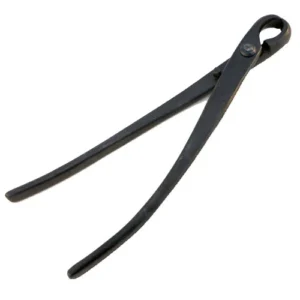
Late‑summer bonsai repotting refers to repotting during August–early September, when trees are still active but have limited recovery time before autumn dormancy. It is possible, but only safe in specific situations such as root rot, severe root binding, or for actively growing tropical species.
You can repot a bonsai in late summer, but only if the tree is healthy and you avoid heavy root pruning, as full repotting at this time carries higher stress and risk.
In many cases, a gentle slip pot into fresh soil works better than a complete root prune. Early summer is generally safer than the peak of heat, and spring remains the standard season for most species.
Late summer can feel like a risky time to tackle bonsai repotting. Your tree is still active, yet the heat can stress roots and slow recovery. You may wonder whether to act now or wait until spring.
If roots circle the pot tightly, water runs straight through, or growth stalls, you may need to step in. With the right timing, light root work, and careful aftercare, you can reduce stress and keep your bonsai stable until the next ideal repotting window.
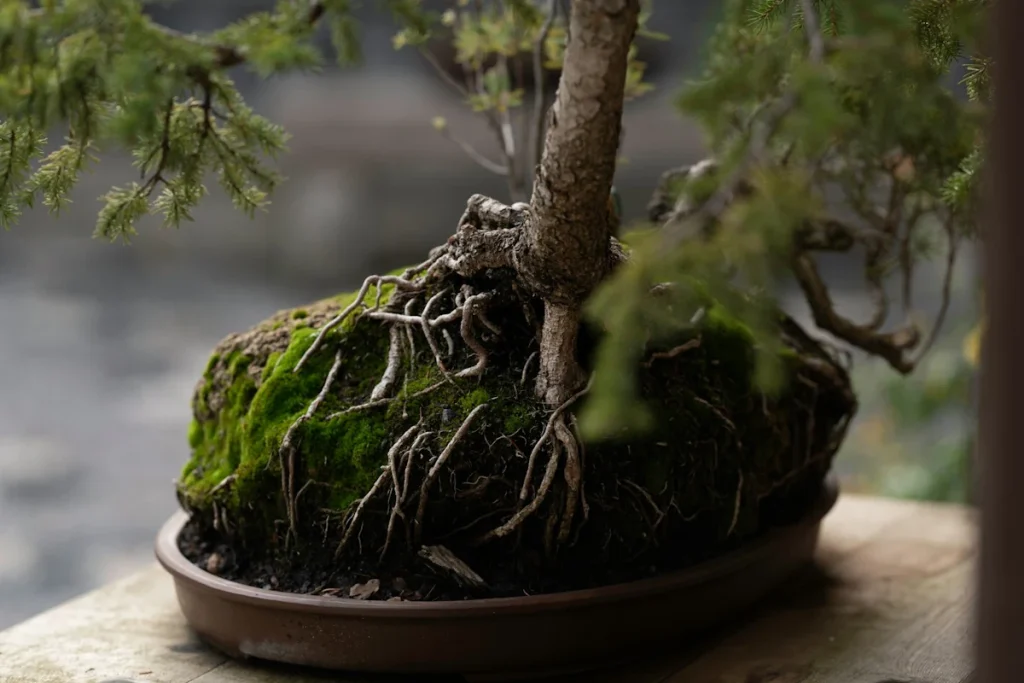
You can repot a bonsai in late summer, but only when the tree faces an active problem that cannot wait until spring. Routine repotting should always be delayed. The real question is not “should I repot bonsai in August?” but why you feel the need to do it.
You need to separate emergency repotting vs planned repotting.
Emergency repotting happens when the tree faces active harm.
Common emergency triggers:
In these cases, delaying until spring can cause permanent damage. The risk of waiting is higher than the risk of repotting bonsai late summer. If roots are rotting, you act now.
Planned repotting, on the other hand, follows a normal cycle. Many fast growing trees need repotting every 1 to 2 years. Mature trees often go 3 to 5 years. This type of repotting refreshes soil and prunes roots before growth begins.
If your tree is healthy and you are simply following a schedule, late summer is rarely ideal. You gain little and increase stress at the wrong time of year.
Spring remains the safest general window for repotting, for reasons covered in full in our repotting timing guide. Late summer presents the opposite conditions: shortening days, falling temperatures, and a tree shifting energy toward dormancy rather than growth. Root recovery slows accordingly, which is why late summer repotting is the exception rather than the rule.
There are clear cases where repotting bonsai late summer makes sense.
1. Active root rot
If soil stays waterlogged and roots turn brown and soft, you must remove the affected roots and replace the soil. Waiting until spring may mean losing the tree.
2. Severe root binding with visible decline
If water runs straight through the pot and the tree wilts daily, roots may have completely filled the container. When health drops quickly, intervention becomes necessary.
3. Indoor tropical species
Ficus and other tropical bonsai do not follow the same dormancy cycle as pines or maples. If they grow strongly in August indoors, you can often repot with lower risk, provided temperatures stay stable.
In each case, you weigh risk. If the problem threatens survival, act. If the tree is stable, wait for spring.
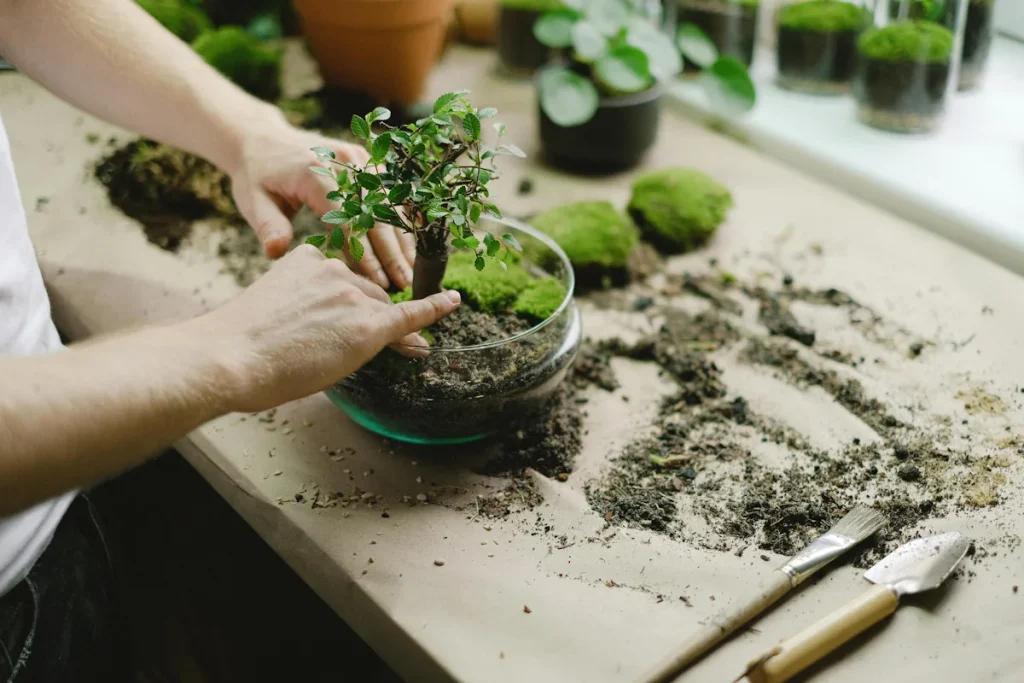
Cold‑sensitive new roots may lead to:
These issues often appear months later, when the tree struggles to leaf out or extend shoots.
| Species | Late‑Summer Suitability | Reason |
|---|---|---|
| Japanese maple | ❌ Avoid | Highly sensitive to root disturbance |
| Beech / Hornbeam | ❌ Avoid | Fine roots need early‑spring timing |
| Junipers (recently styled) | ❌ Avoid | Already stressed from foliage work |
| Chinese elm | ✔ Possible | Vigorous, forgiving root system |
| Ficus / tropicals | ✔ Safe | No dormancy cycle; active growth |
You should treat repotting bonsai late summer as an exception, not the rule. However, certain urgent conditions make waiting for spring more dangerous than acting now, especially when root health or structural stability is at risk.
Active root rot is the strongest reason to repot in late summer. If rot is spreading, delaying treatment until spring can kill the tree.
Look for clear signs of active, progressing rot, not old damage that has already stabilised:
In root rot bonsai late summer repotting, your goal is survival, not styling. You must remove all decayed roots, cut back to firm white tissue, and replace compacted soil with a fast-draining mix.
If you leave active rot until spring, the infection continues through autumn and winter. By the time bonsai repotting before dormancy would normally occur, the root system may be too compromised to recover.
Act quickly and adjust aftercare. Keep watering controlled and avoid fertilising until you see new growth.
Not every rootbound tree needs urgent action. Many bonsai tolerate tight root systems if they remain vigorous and water drains properly.
Late summer intervention becomes justified when you see decline linked directly to root congestion, such as:
A severely rootbound bonsai late summer is at risk of permanent structural damage if circling roots fuse and harden before dormancy.
In these cases, controlled repotting may be safer than waiting. Reduce root pruning to what is necessary. Focus on correcting structural problems rather than heavy refinement.
When problems relate to pot size or soil breakdown rather than disease, slip potting is often the safer choice. The full method, including how to handle the root ball, pot sizing, and aftercare, is covered in detail in the dedicated slip potting section below.
Indoor tropical species repotting rules differ from temperate trees. Ficus, Carmona, and similar species do not follow a true winter dormancy cycle.
Because they grow continuously under stable indoor temperatures, you can repot more flexibly. Late summer is often acceptable if:
For tropical species, timing depends more on temperature and growth activity than calendar season.
Still, avoid extreme heatwaves. Repot during cooler mornings or periods of moderate weather. Maintain warmth and humidity afterwards to support root recovery.
In tropical bonsai, repotting bonsai late summer carries less seasonal risk, provided growing conditions remain consistent.
Late summer repotting is about damage control, not improvement. You focus on minimal root work, moisture-stable soil, careful aftercare, and enough recovery time before first frost.
When repotting bonsai late summer, your guiding rule is simple: disturb as little as possible.
In spring, you can remove up to one-third of the root mass on healthy temperate trees. In August in the UK, that approach is too aggressive. You should only remove what is clearly necessary to solve the problem, such as:
Leave fine feeder roots intact wherever possible. These roots drive recovery before autumn.
Work around the root ball rather than through it. Instead of fully combing out the roots, loosen only the outer 1 to 2 cm. If the tree fits back into the pot after light trimming, stop there.
Your aim is stabilisation, not refinement.
Soil needs to support recovery during shorter days and cooling temperatures.
In late summer, avoid very coarse, fast-draining mixes that dry too quickly. Freshly cut roots struggle in dry substrate. Instead, increase the proportion of akadama slightly to improve moisture retention.
For example:
| Component | Typical Spring Mix | Late Summer Adjustment |
|---|---|---|
| Akadama | 50% | 60 to 70% |
| Pumice | 25% | 20% |
| Lava | 25% | 10 to 20% |
Always pre-moisten your soil before use. Dry akadama pulls moisture away from pruned roots and increases stress.
The mix must still drain well, but it should stay evenly moist for longer between waterings. That balance matters more in bonsai repotting August UK conditions, where late heat can still occur.
Aftercare checklist:
A key question is how long does bonsai need to recover before first frost. For most temperate species, you need at least six to eight weeks of active growth.
In the UK, first frosts often arrive between late October and November. If you repot in late August, you usually allow enough time. If you repot in mid to late September, recovery becomes risky.
The six-to-eight-week recovery window and species-specific timing are covered in full in the aftercare section above: count the weeks to your local first frost before lifting any tree from its pot.
Species matter:
If strong new root growth does not establish before frost, the tree enters winter compromised. In that case, protect the pot from freezing solid and avoid further stress.
Timing is tight in late summer. Count the weeks to your local first frost before you lift the tree from its pot.
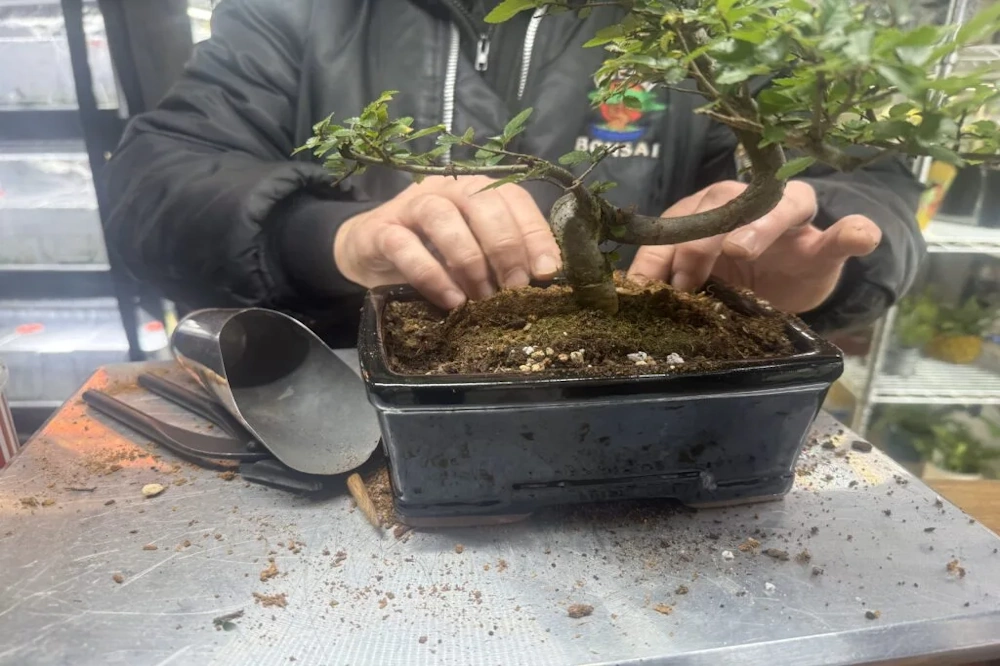
Late summer repotting depends heavily on species, root sensitivity, and how much active growth remains. In the UK, August can work for some trees, but for others it is already too late to repot bonsai safely.
Japanese maple is the highest risk deciduous species for repotting bonsai in late summer. In the UK, August work should only happen in a genuine emergency, such as root rot or completely compacted soil.
If you must act:
Japanese maple relies on a strong spring root flush. Late summer disruption reduces stored energy before autumn.
Chinese elm is far more forgiving. It has a resilient root system and often recovers well if you repot in late summer UK conditions while temperatures remain stable.
Keep pruning light and avoid severe root reduction. Expect recovery within a few weeks if nights stay mild.
Beech behaves closer to Japanese maple than elm. Its fine roots dislike disturbance outside early spring bud swell. In most UK gardens, August is too late to repot beech unless you face an emergency.
Juniper tolerates late summer repotting better than pine, but you still need caution. In bonsai repotting species timing charts, juniper often allows late winter or very early spring as the main window.
If you repot in August UK conditions:
Junipers typically need 3 to 4 weeks to stabilise after root work.
Pine is highly timing-sensitive. Most common species, such as Japanese black pine and Scots pine, require repotting in specific seasonal windows that do not include late summer.
Pines depend on precise root and mycorrhizal balance. Disrupting this in August can weaken the tree before winter. For pine, late summer is usually too late to repot bonsai in the UK unless you are correcting severe root failure.
Indoor tropical bonsai are the most flexible group. Ficus can often be repotted year-round if kept warm and in active growth.
In late summer:
Ficus often recover within 2 to 3 weeks.
Carmona also tolerates summer repotting, but it reacts badly to cold drafts afterwards. Keep it indoors, warm, and evenly moist. Do not place it outside overnight in typical UK late summer conditions.
For tropical species, bonsai repotting August UK is usually safe if you control temperature and light.
Trees bought from nurseries or shows in summer often sit in dense, water-retentive retail compost. You may wonder, can I repot my bonsai in late summer UK conditions if the soil looks poor?
Repot immediately only if you see:
Otherwise, wait until the correct species timing window.
If you delay, improve care instead:
Poor soil alone does not always justify late summer repotting. Timing still matters more than impatience.
Slip potting (moving the root ball intact into a larger pot without disturbing the roots) is the safer alternative whenever the problem is pot size or soil rather than active decline. It’s the right choice in late summer, specifically when the tree is severely rootbound and drying out within hours, when you’ve bought a tree in dense retail soil but full repotting feels unsafe this late in the year, or when the pot itself is damaged or too small.
The full method is covered in our guide to repotting bonsai in April, which includes the complete step-by-step process. The same method applies regardless of season; only the decision of whether to slip pot versus wait changes with timing.
You can decide with confidence if you assess risk, species sensitivity, and the tree’s current health. In most UK climates, early spring remains the safest window, but late summer repotting can make sense in specific cases.
Quick decision guide:
If you decide to wait, focus on stabilising the tree. This answers the practical side of what to do while waiting for spring repotting.
Start with watering control.
Rootbound trees dry out quickly, but compacted soil can also stay wet in the centre. Check moisture below the surface before watering.
Next, adjust protection:
If the tree is tight in its pot, you can lightly rake the top 1 to 2 cm of soil and refresh the surface layer. This improves drainage without disturbing deeper roots.
Watch for decline. Yellowing out of season, weak buds, or foul soil smell may shift your plan from waiting to urgent action.
When a tree clearly needs repotting but can wait, monitoring becomes your main task. This covers how to monitor a tree through winter, needing repotting.
Check these points every few weeks:
Escalate to emergency repotting if you see rapid dieback, persistent sour smell, or signs of root rot. Otherwise, hold steady.
Prepare early for spring.
Have soil mix ready, clean tools, and a clear date range. In the UK, aim for late winter to early spring, when buds swell but before full leaf opening. Acting at that moment gives roots time to establish before strong summer growth begins.
If you are asking “should I repot bonsai in August?” or “is it too late to repot bonsai in August?”, use this chart. It helps you decide in under a minute.
Late summer bonsai repotting carries higher stress because roots recover more slowly in heat. For most species, spring remains the safest window. August repotting timing works mainly for tropical trees or emergencies.
| Situation | Recommended Action | Risk Level | Key Condition |
|---|---|---|---|
| Active root rot | Repot immediately, regardless of season | High but necessary | Black, mushy roots, sour smell |
| Severely rootbound with visible health decline | Slip pot now, full repot in spring | Medium | Yellowing leaves, stalling growth |
| Rootbound but tree stable | Wait until spring | Low | Good colour, steady growth |
| Unsuitable retail soil, tree healthy | Wait until spring or slip pot | Low to medium | Soil stays wet 24+ hours |
| Unsuitable retail soil, tree declining | Slip pot now | Medium | Poor drainage plus leaf drop |
| Japanese maple needing routine repot | Always wait until spring | High in August | Temperate species |
| Ficus needing routine repot | Can proceed with care in late summer | Moderate | Warm nights above 18°C |
Repotting bonsai in late summer is not automatically wrong, but the risks of late summer bonsai repotting increase with temperate species. Planned work waits for spring.
Emergency problems justify action in any month. Slip potting gives you a safer middle option when August timing feels uncertain.
Start with the emergency vs planned distinction. If the tree faces active root rot or severe decline from root binding, the risk of acting now is lower than the risk of waiting. If the tree is stable and you are working to a routine schedule, spring is almost always the right answer; the tree will recover more efficiently, produce stronger new roots and enter the following summer in better condition.
In our experience, the most common late summer repotting mistake is not acting when urgent action is needed; it is acting when the situation does not require it. Growers see tight roots, decide to fix it in August, prune heavily, and then watch the tree struggle through autumn and winter with a reduced root system and insufficient recovery time. Slip potting or simply improving care until spring prevents that outcome in the majority of cases. When in doubt, ask whether the tree is declining or just not ideal. Declining trees need intervention. Trees that are merely not ideal need patience.
Miyagi Bonsai stocks a carefully chosen range of bonsai trees and repotting accessories, including specialist soils, akadama, pumice and bonsai pots, with next working day UK delivery available on most orders. The products and recommendations in this guide reflect what we stock, use and see working for our customers every day. We are rated 5 stars across over 100 Google reviews, and our team is on hand by email and phone if you have any questions about repotting timing or aftercare for your specific tree.
Yes, but only for emergencies or tropical species. Routine repotting should wait until spring.
Most species need 6–8 weeks of active growth.
Yes. Slip‑potting avoids root pruning and reduces stress.
Chinese elm and tropicals like ficus. Sensitive species (maple, beech, pine) should wait.