
Prune most bonsai in early spring when buds swell but before leaves open. This allows shape control without heavily draining stored energy. Limit work to light pruning; delay heavier cuts until growth stabilises. Spring pruning happens in stages, not a single moment.
Spring brings energy back to bonsai trees, but timing matters more than enthusiasm. March often sends mixed signals, with mild days followed by sharp cold snaps. That uncertainty makes pruning feel risky, even when growth starts to stir.
In the UK, knowing when to prune bonsai in spring depends less on the calendar and more on visible growth and weather stability. Early March can allow limited pruning, but only when buds begin to swell and night temperatures stay above freezing. Acting too early risks stress, while waiting too long can reduce control over shape and balance.
This guide helps you decide what to cut, what to leave, and what to watch for as spring unfolds. You will learn how to judge readiness, avoid common March mistakes, and protect long-term health without rushing the season.
Bonsai should only be pruned when growth stage and temperature allow recovery, not simply because spring has started.
In the UK, March allows light bonsai pruning only, not heavy structural cuts.
Prune when buds swell and night temperatures stay above freezing.
Avoid root pruning and major branch removal until growth stabilises.
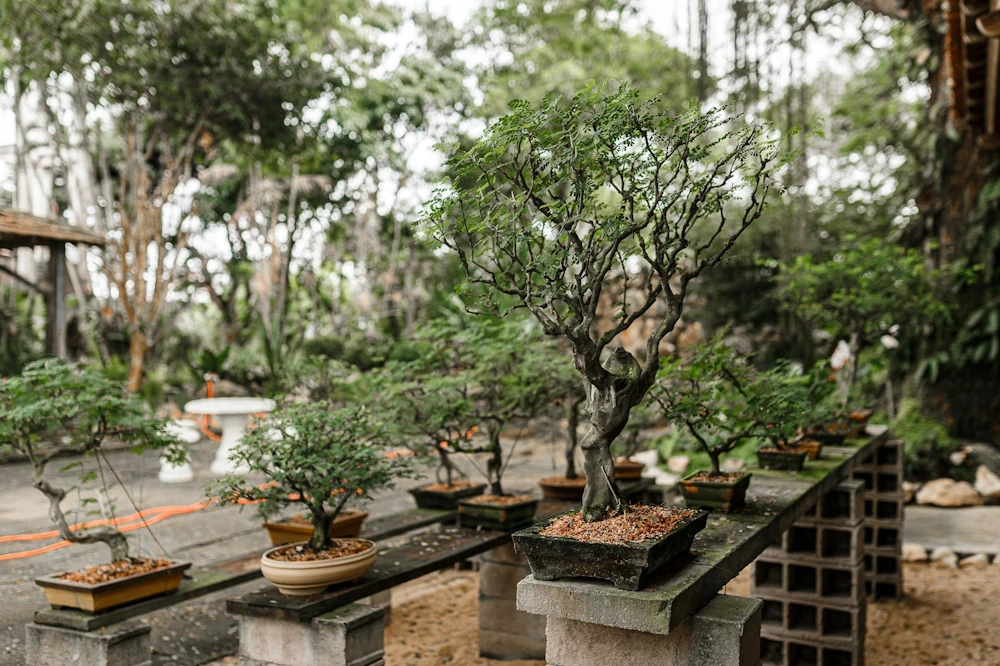
March can work for spring pruning, but it is not a blanket green light. You need to judge the tree’s growth stage and your local conditions, not the calendar.
UK weather makes March unpredictable. Mild days can trigger early buds, while nights still drop close to freezing. Late frosts remain common, especially outside southern regions.
If you prune just before a frost, you expose fresh cuts to cold stress. That can slow recovery and weaken fine branches. Seasonal bonsai care works best when you watch forecasts, not just buds.
Pay attention to these signals:
For most growers, bonsai pruning in March works best as a careful, selective process rather than a full pruning session. Light maintenance cuts help guide growth without draining energy, while heavier pruning should wait until spring conditions stabilise and growth becomes consistent.
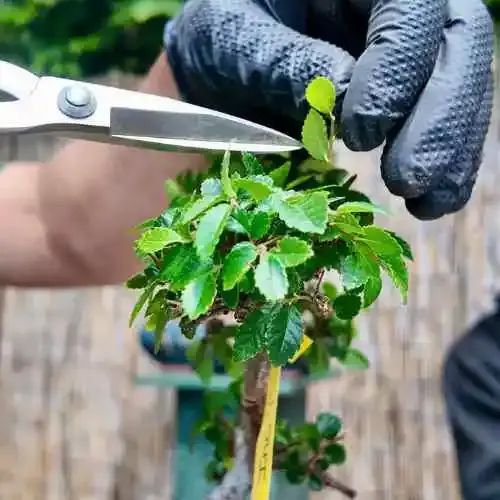
March sits at the edge of dormancy and active growth. You can prune bonsai safely at this time, but only when you keep the work light and controlled. The goal is to support healthy spring growth without draining stored energy.
Maintenance pruning in March focuses on small, corrective cuts. You remove material that no longer supports the tree’s shape or health, without changing its structure. This approach fits well with early spring bonsai care.
Safe maintenance pruning includes:
These cuts stay shallow. They do not interrupt major sap flow or stored energy in the trunk and roots. In early spring, buds still control growth direction, so light trimming helps balance energy rather than reduce it.
You can prune bonsai at this level every few weeks as growth begins. Keep cuts clean and minimal. Stop once the silhouette looks tidy.
Structural pruning involves removing large branches or changing the main design. This type of pruning bonsai work carries higher risk in March.
Early spring sap flow rises quickly. Large cuts can bleed heavily, which weakens the tree and slows recovery. Energy that should support new growth instead goes into sealing wounds.
Structural pruning also reduces stored reserves at a critical moment. In March, roots and buds prepare for rapid growth. Removing major branches can delay leaf development and reduce vigour.
Proceed with caution if you consider this work. In most cases, waiting until full dormancy or later stability leads to better results and fewer setbacks.
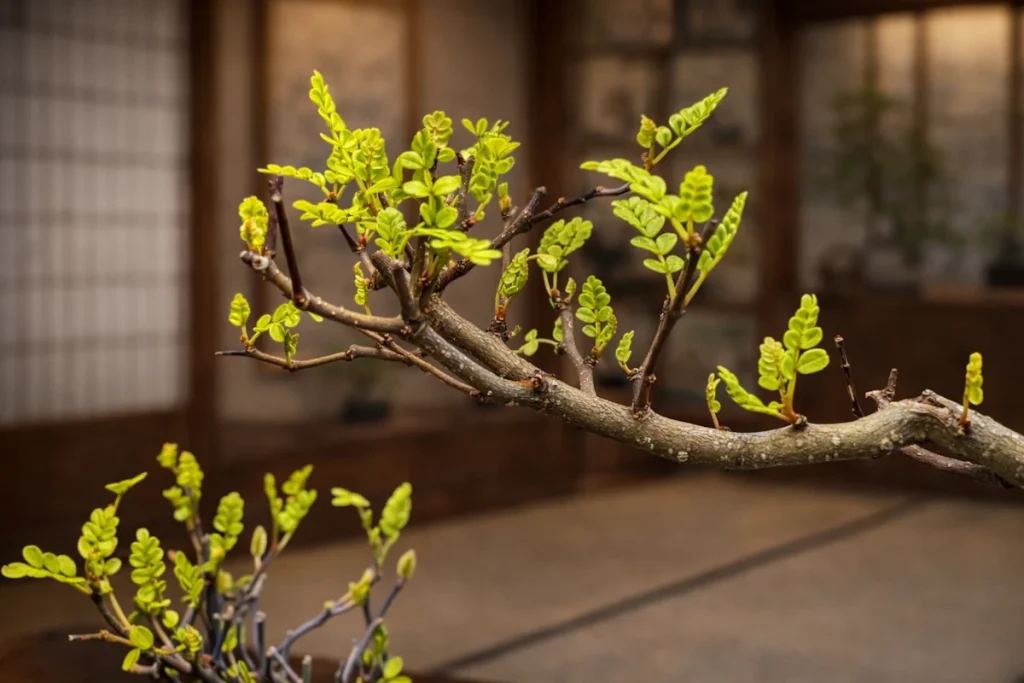
Early spring pruning feels risky because buds swell quickly and growth becomes untidy before stabilising. The timing matters more than the urge to act, especially on bonsai, where energy balance stays tight.
Bud swelling marks the start of the pruning window, but only light pruning should be done at this stage. Swollen buds signal rising sap flow, not active growth. At this stage, the tree moves stored energy from roots into buds. Pruning now wastes that energy and can weaken fine branches.
Once leaves start opening, the rules change. Expanding leaves produce energy through photosynthesis, so the tree can recover from light pruning.
Key differences to watch for:
| Stage | What you see | What to do |
|---|---|---|
| Bud swelling | Buds plump, tips closed | Light pruning, generally avoid |
| Leaf opening | Leaves unfolding | Selective pruning only |
Use restraint early. Delay structural cuts. Limit work to pinching excess shoots or removing obvious dead growth during early spring pruning.
March pruning depends on tree type, growth stage, and health. Some bonsai tolerate light work now, while others need restraint to protect energy reserves and bonsai aesthetics.
Deciduous bonsai usually respond well to light pruning in March, especially as buds swell and sap begins to move. You can remove small, unwanted shoots and tidy branch tips without stressing the tree.
Focus on maintenance pruning, not major cuts. This approach helps refine shape and balance while preserving stored energy for leaf development.
Avoid heavy structural pruning at this stage. Large cuts can delay leafing out and weaken early growth, especially if nights still drop below freezing.
Safe March actions often include:
Wait until leaves harden before aggressive pruning. Strong growth gives you clearer feedback and protects long-term structure and aesthetics.
Evergreen bonsai wake up slowly in spring. In March, most still rely on stored energy rather than active growth.
Limit pruning to careful observation and minor corrections. Removing too much foliage now reduces photosynthesis before the tree can replace it.
March is better for planning than cutting. Watch for colour changes, swelling buds, or new tips before acting.
If pruning is needed, keep it minimal:
Heavy pruning too early can weaken evergreens for the entire season. Patience protects both health and long-term design.
Indoor and tropical bonsai follow a different schedule. Stable temperatures and consistent light often make March a safer time for light pruning.
You can trim back leggy shoots and restore proportion without waiting for outdoor conditions to improve. This helps maintain compact form and clean lines.
Still avoid major structural changes. Even indoors, trees need active growth to recover well from hard cuts.
Practical March guidelines include:
Always assess vigour first. A healthy tree responds well; a struggling one needs time, not cuts.
March often feels like the right time to act, but some pruning tasks cause lasting damage when done too early. Cold soil, unstable weather, and limited sap flow all slow recovery and raise the risk of irreversible mistakes.
Avoid root pruning in March in most parts of the UK. Soil temperatures often sit below 10°C, which limits root growth and delays healing. When you cut roots in cold soil, you reduce water uptake at the exact time buds begin to swell.
Slow recovery increases the risk of root dieback and rot. Fine feeder roots suffer the most, and they take months to replace if damaged now.
Common problems caused by early root pruning include:
Wait until buds clearly swell and daytime temperatures stabilise. Late March or April usually offers safer conditions, depending on location and species.
Do not carry out major pruning or remove large branches in March. At this stage, your bonsai still relies on stored energy from the previous year. Removing heavy branches too early strips away that reserve before new growth can replace it.
Large cuts also heal slowly in cool weather. Open wounds stay exposed longer, increasing vulnerability to drying winds, late frosts, and infection.
Risks of heavy branch removal in March:
Limit spring work to light tip pruning or bud pinching. Save structural cuts for later in spring, once growth becomes steady and predictable.
Avoid bending branches or adjusting tight wire in March. Cold wood lacks flexibility and cracks more easily, especially on conifers and older deciduous trees.
Even small adjustments can cause internal fractures you will not notice until the branch weakens or dies back weeks later. This damage often gets mistaken for disease or over-pruning.
Delay wiring work if:
Safer wiring usually starts once temperatures rise and sap flow increases. Late spring gives you more flexibility and faster recovery with far less risk.
The best time to prune bonsai in spring depends on how your tree responds to its environment. Strong growth, steady temperatures, and active roots show that your bonsai has the energy to recover from heavier cuts.
Stable temperatures matter more than warm afternoons. In practical UK terms, you should look for night-time temperatures staying consistently above 0°C, with no forecast frost.
Daytime highs alone do not protect your tree. Cold nights slow sap flow and limit recovery after pruning.
Use these signs as a guide:
Stable temperatures support tree vigour. They also reduce stress after cutting back strong shoots, especially on species with strong apical dominance. Without this stability, aggressive pruning can weaken the tree rather than improve its structure.
First leaves do not mean your bonsai is ready. You should wait until new leaves continue to appear and expand over several weeks.
Consistent growth shows that the tree has moved beyond stored energy and now produces its own through photosynthesis. That shift matters before removing larger sections.
Look for:
This pattern confirms balanced energy flow. It also tells you that pruning will not overly strengthen the top, which helps manage apical dominance and keeps branch thickness under control.
Roots drive recovery after pruning. You can spot root activity without lifting the tree from its pot.
Pay attention to water behaviour:
These changes show that roots actively absorb moisture and oxygen. Active roots allow the tree to replace foliage after heavier pruning. If the soil stays wet for days, delay major work, as root activity is still limited.
Weak root activity limits recovery and reduces overall tree vigour, even if the top growth looks healthy. Successful spring bonsai pruning in the UK comes down to restraint, observation, and timing.
Use the checklist below to decide what is safe now and what should wait until later in spring.
March marks the start of active growth for many UK bonsai. You can prune, but timing and restraint matter. Use this checklist to decide quickly.
Quick decisions for March
Use clean, sharp pruning tools to reduce stress. Keep twig shears or pruning shears handy for fine work, and switch to branch cutters or concave cutters only when needed.
What to prune now
Seal larger cuts straight away with cut paste. This helps reduce infection risk as sap flow increases.
What to delay
A simple rule helps: if buds are swelling, light pruning is fine; if buds are tight, wait.
Tool check before you start
Work slowly. Make fewer cuts. Let spring growth do the rest.
Spring pruning focuses on timing, visible growth signals, clean techniques, and the right tools. Your approach should change based on tree age, species type, and how fast new shoots appear.
You should prune when buds begin to swell and new shoots show fresh green colour.
This stage usually appears in early to mid-spring, before leaves fully harden.
Look for uneven or fast growth on specific branches.
That imbalance signals active energy and safe pruning conditions.
Prune in the early morning or late afternoon.
Milder temperatures reduce stress and help cuts heal faster.
Avoid pruning at midday.
Strong sun and heat can dry exposed tissue too quickly.
Spring suits structural pruning and shoot trimming.
You guide shape while growth energy runs high.
Focus on:
Make clean cuts close to nodes.
This encourages controlled regrowth.
Sharp, clean tools matter more than size.
They prevent tearing and reduce disease risk.
Useful tools include:
Clean tools after each session.
Sap build-up dulls blades quickly.
Yes, and the difference is important.
Young trees need guidance; mature trees need restraint.
For young bonsai:
For mature bonsai:
Over-pruning older trees slows recovery.
Light pruning can happen every 2–3 weeks during active growth.
This applies mainly to fast-growing species.
Structural pruning should happen once in early spring.
Frequent heavy cuts weaken the tree and delay leaf development.

