Caring for a bonsai tree offers more than a beautiful display of nature in miniature form; it provides a calming, hands-on way to improve mental well-being. Rooted in centuries of Japanese tradition, bonsai brings together art, mindfulness, and horticulture in one practice. Nurturing a bonsai requires us to cultivate patience, focus, and a sense of balance that helps reduce stress and promote emotional stability. These qualities frequently make bonsai a deeply meaningful gift to share with others.
Each trim, wire, and watering session becomes a quiet moment of reflection. The slow rhythm of growth encourages us to slow down too, offering a natural form of meditation that fits into daily life. Studies have shown that engaging with bonsai can ease anxiety and increase feelings of relaxation, making it an accessible and rewarding form of therapy for people of all ages.
Whether shared as a family hobby or enjoyed alone, bonsai invites us to reconnect with nature and find peace in the process of growth.
In short: Growing bonsai trees can improve mental health by reducing stress, encouraging mindfulness, and promoting patience through daily, hands-on care.
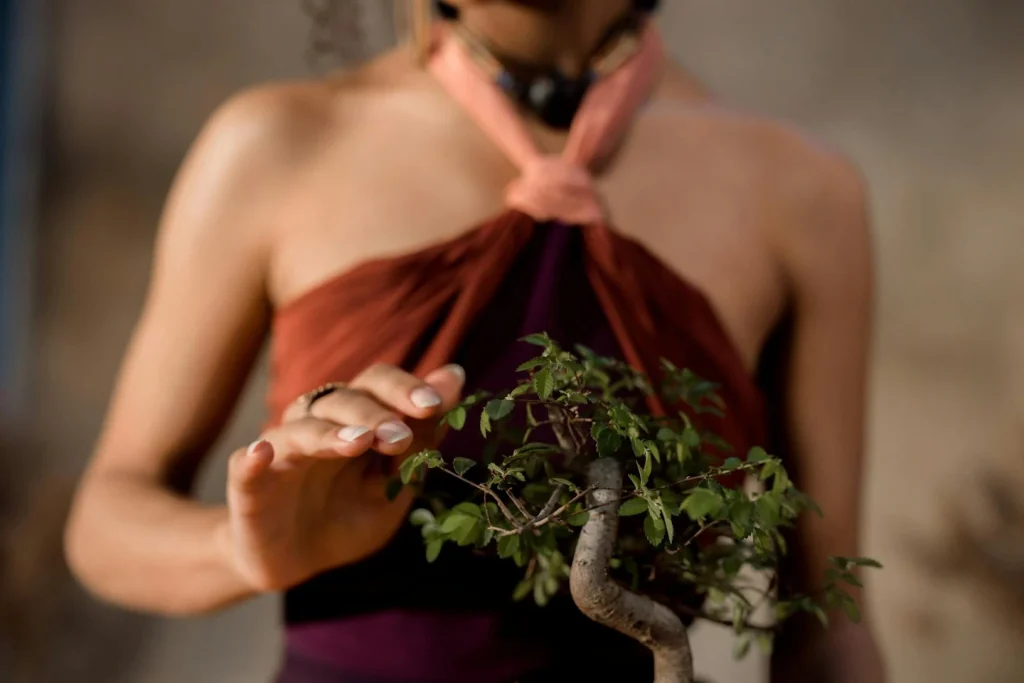
Caring for miniature trees offers measurable mental health advantages. Through consistent interaction with nature, we strengthen mindfulness, emotional stability, and relaxation while improving focus and creativity in daily life.
When we prune, water, or wire a bonsai, our attention narrows to precise, slow movements. This deliberate pace acts as a form of horticultural therapy, helping us regulate breathing and calm the nervous system. Studies show that simply viewing bonsai trees can increase parasympathetic activity, the body’s “rest and digest” state, and lower cortisol levels linked to stress.
Unlike general indoor gardening, bonsai care demands sustained concentration and patience. Each miniature tree becomes a living reflection of balance and persistence, promoting both mindfulness and emotional well-being. Over time, this focused engagement fosters resilience, reduces anxiety, and enhances our connection with nature in a tangible, restorative way.
Beyond stress relief, bonsai care strengthens concentration and emotional steadiness. Each pruning or wiring session demands quiet attention to subtle details; how a branch curves, where a new shoot appears, how the tree responds over time. This deliberate focus helps train the mind to stay present rather than distracted. As we observe small changes and nurture growth patiently, we cultivate emotional balance, resilience, and a steady calm that carries into other parts of life.
This sense of calm and concentration naturally extends beyond the individual; when shared with others, bonsai becomes a way to connect, communicate, and grow together.
Sharing bonsai care as a family encourages teamwork, patience, and connection across generations. Families often start with easy-to-care-for indoor bonsai such as Ficus retusa or juniper bonsai. These species tolerate varied conditions and allow everyone, including children, to participate in bonsai as an activity of care, patience and learning.
Why families enjoy bonsai together:
| Family Activity | Description |
|---|---|
| Care rotation | Assign watering and trimming duties to each family member. |
| Monthly design check | Discuss shape changes and plan gentle pruning together. |
| Repotting day | Work as a team to refresh the soil and study root growth. |
In one youth therapy programme, families used bonsai sessions to process stress and rebuild communication. Each participant cared for a small tree, and group reflection followed each session. The shared focus on growth made conversations easier and more meaningful. For families just introducing a bonsai into their home, they can follow our simple guide on how to care for indoor bonsai and help them thrive from the very start.
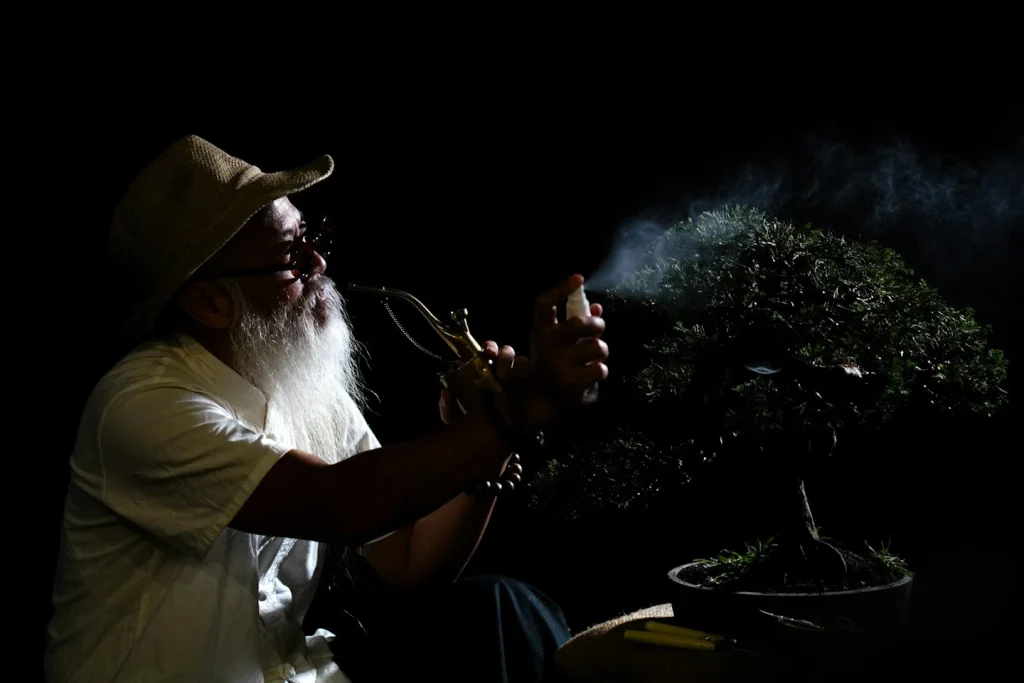
Mindfulness through bonsai teaches us to slow down and observe rather than rush. Each trim, wire, or watering session invites us to be present. The tree grows at its own pace, reminding us that progress in both nature and life takes time.
This art form, rooted in Japanese tradition, teaches wabi-sabi, the beauty of imperfection and impermanence. We begin to value subtle changes: a new bud, a seasonal shift, the curve of a branch shaped by years of care. These small details train our focus and discipline and give us a sense of accomplishment.
Regular bonsai care becomes a creative outlet and a form of self-expression. We shape the tree, but it also shapes us. Through this quiet collaboration, we develop patience and problem-solving skills, learning to respond thoughtfully rather than react quickly.
| Lesson | What We Learn |
|---|---|
| Patience | Growth takes time and cannot be forced |
| Focus | Attention to small details improves concentration |
| Discipline | Routine care builds consistency and calm |
| Artistic Expression | Each tree reflects our personality and choices |
Many of us start bonsai while living fast-paced lives. Over time, the practice encourages slow living. Spending even ten minutes a day observing our tree’s growth can shift our mindset from constant doing to mindful being.
We find that nurturing bonsai nurtures our personal growth. It helps us reconnect with nature, appreciate simplicity, and live more intentionally, one careful cut and quiet moment at a time.
The broader field of horticultural therapy consistently documents measurable mental health benefits from caring for plants. Bonsai sits at the intersection of horticultural therapy and mindfulness practice, making it particularly well-supported as a therapeutic activity.
Key findings from horticultural therapy research:
What makes bonsai particularly effective compared to less structured forms of gardening:
Start because of how it makes you feel, not how it looks. The aesthetic result of bonsai, the aged trunk, the refined branch structure, the miniature landscape, takes years to develop. The therapeutic benefit begins on the first day. The moment of quiet attention required to water a tree, check its soil, and observe how it has changed since yesterday is the practice. Everything else is the reward.
In our experience at Miyagi Bonsai, the people who sustain a bonsai practice long-term are not those who started because they wanted a beautiful tree. They are the ones who found, usually within the first few weeks, that caring for a living thing gave them something they had been missing; a reason to slow down, a daily moment of focus, a small, reliable source of progress in a world that often feels out of their control.
Miyagi Bonsai stocks a carefully chosen range of indoor and outdoor bonsai trees, beginner care kits, specialist tools, and accessories, with next working day UK delivery available on most orders. Every tree comes with a personalised care guide tailored to the species. The products and recommendations in this guide reflect what we stock, use and see working for our customers every day. We are rated 5 stars across over 100 Google reviews, and our team is on hand by email and phone if you have any questions about getting started, choosing the right species, or finding the right tree for a gift.
Before starting, here are answers to some common questions about how bonsai care supports mental and physical wellbeing.
Regular bonsai care promotes mindfulness, reduces anxiety, and provides a creative outlet. The slow pace of trimming and shaping encourages focus and relaxation.
Light, repetitive movements like pruning and watering improve fine motor skills, posture, and hand–eye coordination, while reducing stress hormones through gentle physical engagement.
Yes. Focusing on bonsai encourages calm breathing and concentration, lowering cortisol levels and helping the body enter a relaxed “rest and digest” state.
Bonsai teaches patience, awareness, and appreciation for slow progress. Regular observation of small changes fosters presence and inner calm.
Bonsai provides gentle exercise, purpose, and cognitive stimulation for older adults. It enhances coordination and offers emotional fulfilment through nurturing living art.
The rhythmic actions of pruning and watering create a meditative routine. Over time, these tasks help improve focus and relieve mental fatigue.
Yes, research consistently supports the mental health benefits of bonsai care. Regular engagement with bonsai reduces cortisol levels, lowers heart rate, and activates the parasympathetic nervous system, the body’s rest and recovery state. The combination of focused physical activity, connection with a living thing, and slow, observable progress makes bonsai one of the most effective forms of horticultural therapy available. Studies from the University of Hyogo and reviews in the Journal of Environmental Psychology both support measurable improvements in mood, focus, and anxiety.
Bonsai care is well-supported as a practical aid for anxiety management. The slow, repetitive movements involved in watering, pruning, and observing a bonsai require focused attention that naturally interrupts anxious thought patterns. Caring for a living thing that responds to consistent attention also provides a reliable sense of agency and progress; both of which are important for anxiety management. For those who find meditation difficult, bonsai offers a hands-on alternative that achieves similar results through active engagement rather than passive stillness.
Yes, bonsai is well-suited to beginners, particularly with the right species choice. Ficus, Chinese Elm, and Carmona (Fukien Tea Tree) are the most widely recommended indoor species for beginners in the UK: all three are tolerant of variable conditions, respond visibly to care, and develop noticeable character within months of regular attention.
The key to a positive first experience is matching the species to your environment: light levels, room temperature, and watering habits, rather than choosing based on appearance alone. Miyagi Bonsai’s team can advise on the right match for your situation.
Bonsai care is relaxing because it combines three elements that independently support relaxation: deliberate physical movement, sustained focused attention, and direct engagement with nature. The slow, precise actions involved, pruning, wiring, watering, require the mind to narrow its focus to the immediate task, interrupting the rumination and mental noise associated with stress. Research shows that even viewing bonsai trees, without actively caring for them, reduces heart rate and promotes parasympathetic activity. The combination of all three elements makes active bonsai care one of the most consistently relaxing hobbies documented in horticultural therapy research.