
Caring for bonsai trees means working with nature’s rhythm all year long. Each season changes how bonsai should be watered, pruned, and protected. Seasonal bonsai care keeps bonsai trees balanced, healthy, and thriving through every temperature and light shift.
Care requirements shift as spring triggers new growth, summer brings heat and pests, autumn slows the pace, and winter calls for rest. By tuning into these cycles, bonsai has the best chance to grow strong roots, balanced branches, and lasting beauty.
This guide explains what to do in each season, from feeding and pruning to protecting against weather extremes, so bonsai stay in top condition throughout the year.
In short: Seasonal bonsai care means adjusting watering, feeding, and protection routines through spring, summer, autumn, and winter to keep your tree thriving year-round.
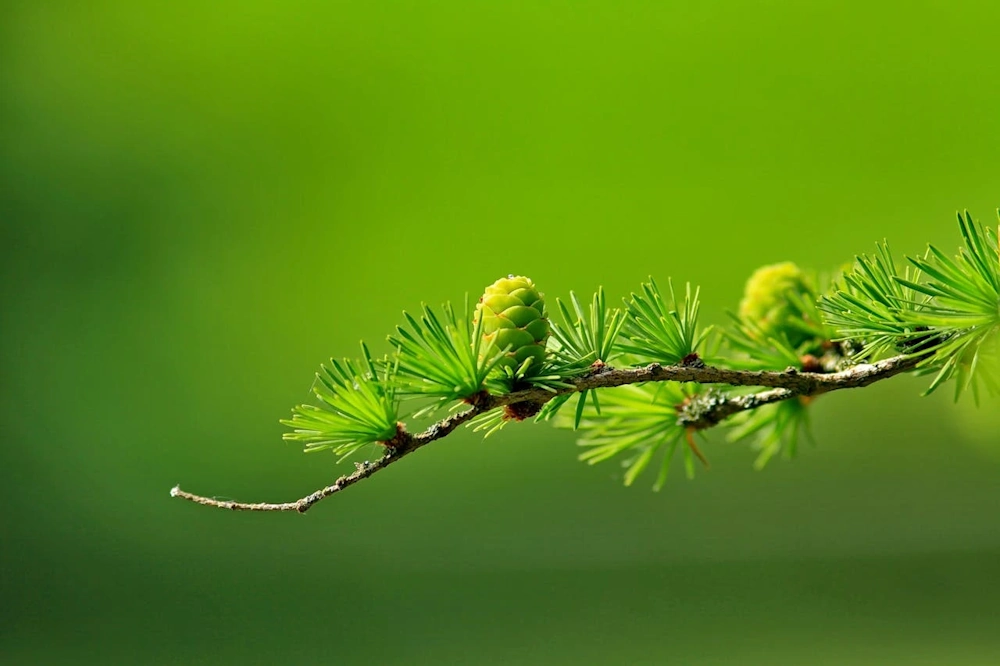
When spring arrives, bonsai trees emerge from a slow metabolic period to begin their growing season. They can expect warmer temperatures and an increase in available light.
Spring priorities: repotting, pruning, recommencing feeding, and pest inspection.
Spring mistakes to avoid: repotting too early before buds show movement; feeding before the root system is active; cutting into wood before you can confirm it is dead rather than dormant.
Start by inspecting each tree carefully. Look for dead branches, discoloured leaves, or signs of pests. Catching issues early helps prevent problems later in the season.
Next, move on to pruning and shaping. Early spring is ideal for pruning back any long shoots. Use clean, sharp tools to make neat cuts. Remove weak or crossing branches to improve airflow and maintain the tree’s natural form.
Spring may be the very best time to repot your bonsai. Younger bonsai often need repotting every 1–2 years, while older ones may go 3–5 years. Use a well-draining bonsai soil mix and check roots for rot or crowding. Repotting supports healthy root development.
As temperatures rise, adjust the watering routine. As a general rule, submerge the bonsai when needed, typically every 2-4 days depending on conditions. Consistent moisture supports strong new shoots without risking root rot.
To protect bonsai, stay alert for pests and diseases. Aphids, spider mites, and fungal spots often appear in warmer weather. Inspect leaves weekly and, if needed, use mild insecticidal soap or neem oil.
| Task | Timing | Key Tip |
|---|---|---|
| Inspection | Early spring | Check for winter damage |
| Pruning | Early to mid-spring | Use clean, sharp tools |
| Repotting | Every 1–3 years | Refresh soil and trim roots |
| Watering | As needed | Keep soil evenly moist |
| Pest Control | Throughout spring | Monitor weekly |
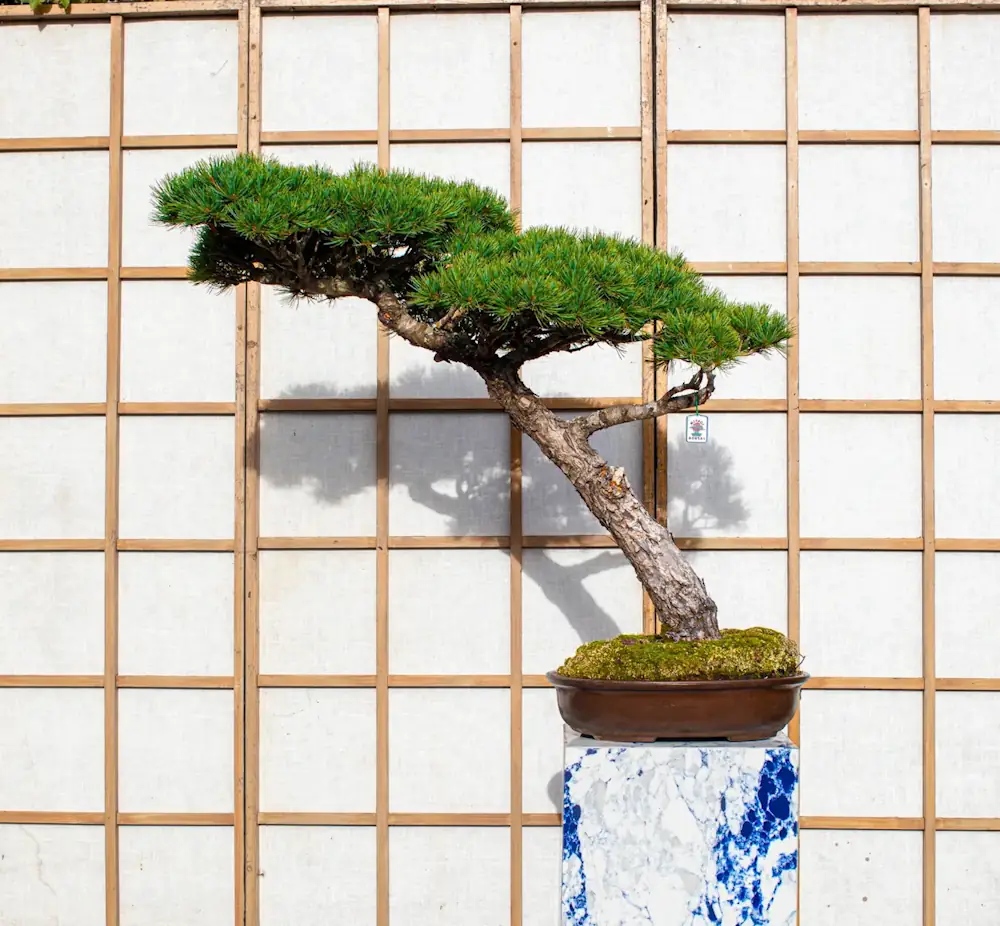
Summer brings higher temperatures, stronger sunlight, and faster growth.
Summer priorities: consistent watering, shade management for sensitive species, and fortnightly feeding.
Summer mistakes to avoid: allowing the soil to dry completely even once; recovery from complete desiccation in summer is slow; applying full-strength fertiliser during heatwaves; neglecting daily moisture checks on small pots.
Bonsai trees require consistent care during this period to prevent stress, dehydration, and pest problems.
Consistent watering, controlled sunlight exposure, and regular inspection keep bonsai healthy during the summer growing season.
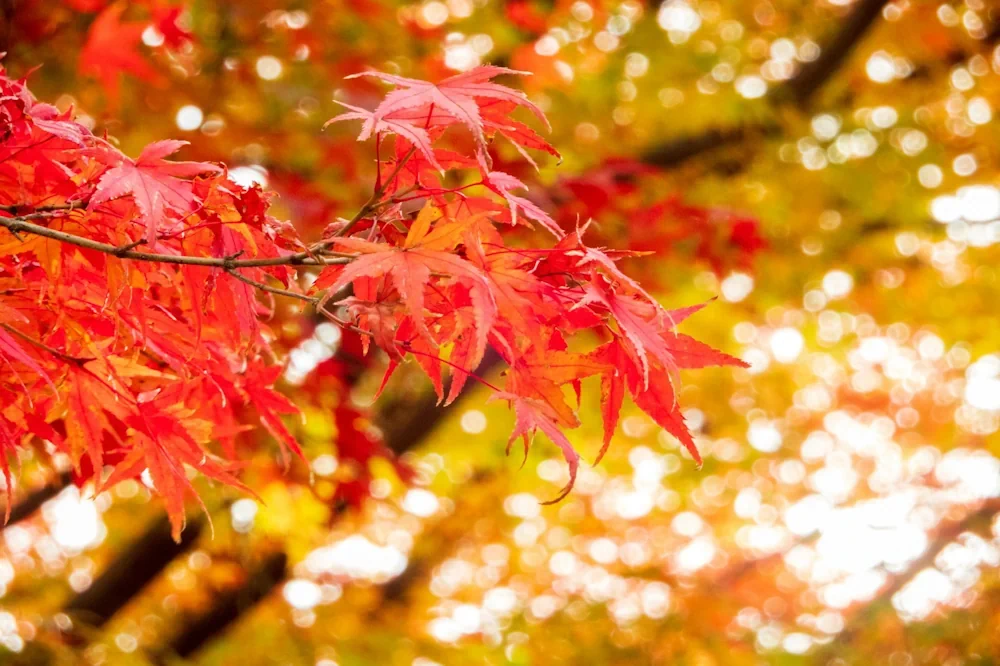
As autumn arrives, shorter days and cooler temperatures signal the transition from active growth to dormancy.
Autumn priorities: reducing feeding, light structural pruning, pest and disease inspection before dormancy, and preparing protection for winter.
Autumn mistakes to avoid: continuing to feed outdoor bonsai into October; heavy pruning that stimulates new growth before frost; bringing tropical species indoors too late.
Allow the soil to dry slightly between waterings as growth slows. Generally speaking, for autumn, reduce feeding to once a month for indoor species, and outdoor bonsai typically do not require feeding.
Before winter sets in, inspect and prune. Remove dead or damaged branches and tidy the canopy. Light pruning helps shape the tree and keeps airflow around branches, but avoid heavy cuts that could stress the plant before dormancy.
Also, check for pests and diseases. Insects often hide in bark or soil, so clean leaves, remove debris, and treat with a mild insecticide or fungicide if needed.
Finally, prepare for indoor or sheltered conditions. Hardy trees stay outdoors but need protection from wind and frost. Protect the base with insulating material such as horticultural fleece or sheeting to reduce cold and moisture exposure.
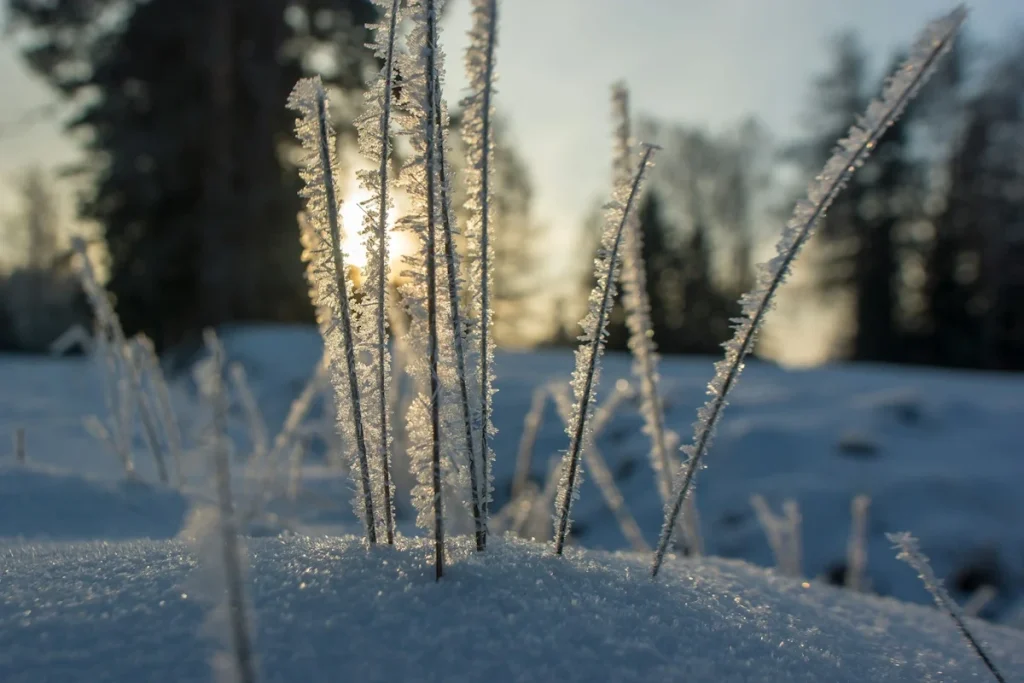
When temperatures drop below freezing, bonsai need extra protection.
Winter priorities: frost protection for roots, maintaining minimal moisture, and monitoring for mould and pests.
Winter mistakes to avoid: overwatering during dormancy; placing outdoor temperate bonsai in heated indoor spaces; allowing tropical species to drop below 15°C.
Bonsai roots freeze faster than those of full-sized trees because they sit in shallow pots. Protect them by insulating pots with straw, bubble wrap, or Styrofoam and keeping them out of strong winds.
For temperate species like junipers or maples, allow exposure to some cold to maintain dormancy. Requirements vary by species; however, junipers are hardy, while maples require additional protection during dormancy. Once frost is forecast, move them into a cold frame, unheated greenhouse, or sheltered corner. This is especially important in regions where temperatures fall below −2°C.
Tropical and subtropical species such as Ficus or Carmona need indoor protection once temperatures drop below 15 °C (60 °F). Place them near a bright, south-facing window and maintain humidity with trays of water or a small humidifier. Consistent light and moisture reduce the risk of leaf drop.
Water sparingly during dormancy, keeping soil slightly damp but never soggy. Overwatering can cause root rot, while letting it dry completely can damage fine roots. A simple finger test helps maintain this balance.
To reduce stress and disease, avoid sudden temperature changes and inspect regularly for pests or mould. Good airflow and gentle sunlight help keep bonsai healthy through winter.
| Temperature Range | Recommended Action |
|---|---|
| Below −10 °C | Protect pot with sheeting |
| 0 – −10 °C | Shelter from wind and frost |
| Above 10 °C | Keep tropical species indoors |
Correct seasonal feeding keeps bonsai strong and balanced. Bonsai grown in small pots lose nutrients quickly, so nutrients must be replaced regularly with the right type and amount of fertiliser.
Spring is when new growth begins. Use a balanced fertiliser every two weeks to support leaves and shoots. Organic options like fish emulsion or seaweed extract work well for a gentle feed.
In summer, trees grow vigorously. Continue feeding every two weeks, and continue using the same fertiliser. Always apply fertiliser to moist soil to prevent root burn.
During autumn, reduce feeding for outdoor species and then for indoor species, reduce feeding to once a month.
Winter brings rest for most bonsai. Stop feeding during winter dormancy. Tropical species may require light feeding once a month. For those, apply a light liquid feed once a month until early spring, then resume feeding every two weeks.
Watch for signs: pale leaves or slow growth indicate underfeeding; burned roots or leaf tip browning suggest over-fertilising. Adjust feeding based on species, pines, maples, and tropicals; each responds differently, so observation remains the best guide.
For detailed seasonal guidance, explore Miyagi Bonsai’s care guides and expert resources covering season-specific guidance.
At Miyagi Bonsai, we have adapted seasonal care routines for UK conditions across dozens of species over more than 40 years. The single most impactful seasonal adjustment most growers can make is introducing a species-matched fertiliser schedule; the right feed at the right time, adjusted for the current growth stage, makes more difference to long-term tree health than almost any other single change.
Miyagi Bonsai stocks a carefully chosen range of bonsai trees, seasonal care accessories, and fertilisers, including balanced liquid feeds, Bio-Gold slow-release pellets, and species-specific soil blends, with next working day UK delivery available on most orders. The products and recommendations in this guide reflect what we stock, use and see working for our customers every day. We are rated 5 stars across over 100 Google reviews, and our team is on hand by email and phone if you have any questions about seasonal bonsai care, species-specific routines, or product selection.
Water frequency depends on temperature and species. In summer, check soil daily; in winter, water only when slightly dry to avoid root rot.
Early spring is ideal, just before active growth begins. This allows new roots to establish in fresh soil.
No. Feed regularly during spring and summer, reduce in autumn, and pause in winter unless caring for tropical indoor species.
Protect bonsai from frost by placing them in a sheltered, insulated spot and covering them with fleece or a cold frame during prolonged freezes. In hot weather, give them afternoon shade, water regularly, and keep air moving to prevent scorching and stress.
Aphids, scale insects, and spider mites are typical summer pests. Regular inspection and gentle neem oil sprays help prevent infestations.
Most hardy temperate bonsai; Juniper, Pine, Larch, Maple, and Elm, can and should stay outside in UK winters. They need cold dormancy to remain healthy long-term. The roots need protection from hard frost below −5°C: insulate the pot with bubble wrap, straw, or move to a cold frame. Never bring temperate bonsai into a heated room for winter; warmth disrupts dormancy and weakens the tree. Tropical species (Ficus, Carmona) must come indoors once temperatures drop below 15°C.
Early spring is the best time to repot bonsai in the UK; typically late February to April, depending on species and the season’s progress. The key indicator is bud movement: repot just as buds begin to swell, but before they open into leaves. This timing gives the tree maximum growing season to recover. Avoid repotting in autumn or winter when the tree has little energy to rebuild its root system. Most deciduous bonsai need repotting every one to two years; conifers every three to five.
A balanced liquid fertiliser with equal NPK values, such as Chrysal Liquid Bonsai Feed, applied fortnightly from when buds show movement until midsummer, is the standard spring recommendation. High-nitrogen feeds can be used in early spring to boost bud burst and new shoot development, then switched to a balanced feed once growth is established. Apply fertiliser to moist soil only, never to dry root systems. Begin at half strength for the first application after winter dormancy before returning to the full dose.
Indoor tropical bonsai (Ficus, Carmona, Serissa, Podocarpus) require consistent care through winter with modest adjustments. Move closer to the brightest window available as light levels drop; a south-facing position is ideal. Maintain humidity with a water-filled humidity tray beneath the pot. Reduce feeding to every three to four weeks rather than fortnightly. Water only when the soil surface begins to dry; heating reduces the root system’s water uptake. Avoid positioning near radiators or draughty windows; both cause leaf drop in sensitive tropical species.

