
In October, you should reduce feeding, ease back on watering as growth slows, protect tender species from cold snaps, and focus on light maintenance rather than heavy pruning.
Outdoor bonsai such as maples and elms begin to lose leaves, while evergreens like pines slow down but stay active. Indoor tropical bonsai still grow, but at a gentler pace.
October changes how you care for your bonsai in the UK. Days shorten, temperatures drop, and growth slows. Your tree shifts from active growth to preparation for winter dormancy, and your routine needs to adjust with it.
You also need to check drainage, clear fallen leaves, and watch for early frost. October sets the foundation for winter health, so small adjustments now prevent root damage, rot, and stress later in the season.
This guide draws on established UK bonsai practice and is written for growers managing temperate, conifer, and tropical species in British growing conditions. Whether you are caring for your first tree or managing a developing collection, the principles here apply across experience levels.
Quick October Recommendations
October marks the final active stage in the UK bonsai calendar. Growth stops, frost becomes a real risk, and your focus shifts from shaping to protection.
In September, your trees still respond to warmth and light. Days are shorter than summer, but many species continue light growth, especially in the south of the UK.
October changes that pace quickly. Day length drops sharply, often below 11 hours by mid month, and light intensity weakens. This shift feels faster than the gradual change you saw in September.
Temperatures also move from cool nights to genuine frost risk. In many regions:
For temperate bonsai in October UK conditions, active growth ends. Deciduous trees yellow and drop leaves. Pines and junipers slow water use. You must adjust watering to match this reduced demand.
This sharper drop in light and temperature explains how October differs from September in practical bonsai care October UK routines.
October is the last active care month because your trees are closing down, not building up. They will not produce meaningful new growth before winter.
Decisions now directly affect winter survival. Mistakes linger because there is no recovery window.
Pay close attention to:
This is why October is the last active care month in any reliable bonsai October care guide. You still act, but you act to stabilise, not to push growth.
By November, most UK bonsai enter full dormancy. October is your final chance to position them correctly.
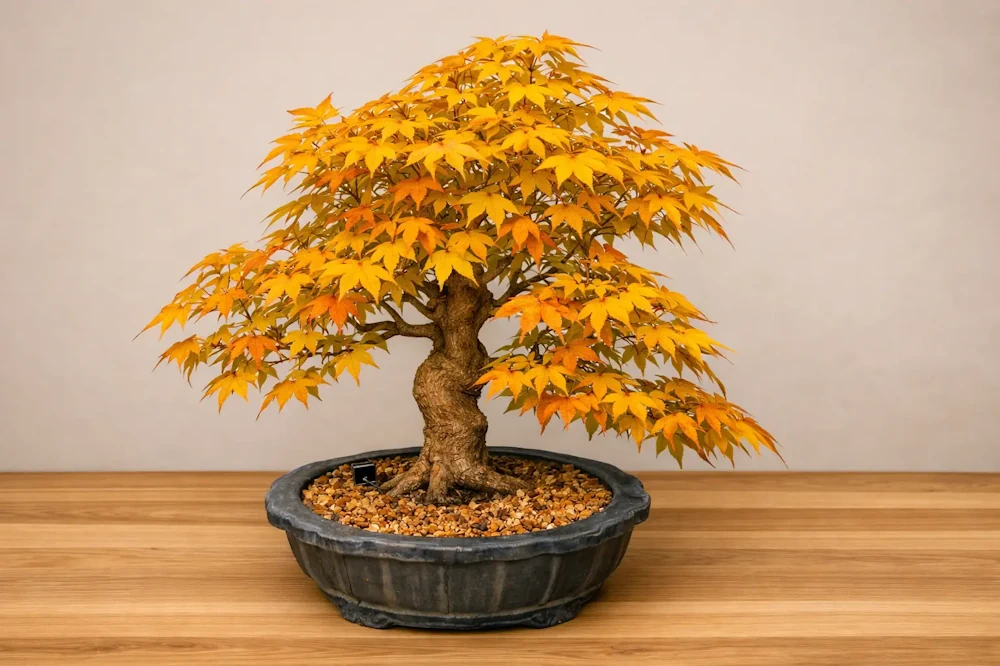
In bonsai in October, UK conditions, your tree should look settled, firm, and ready for winter rather than actively growing. You want to see signs of controlled slowdown, not stress or decline.
In October, a healthy bonsai looks compact and consolidated rather than lush and expanding. Shoots have hardened, leaves on deciduous trees change colour gradually and drop in a steady pattern, and water use falls noticeably compared to summer. Use the five-point check below to confirm the transition is on track.
Not all leaf drop in October is healthy. Sudden widespread loss, soft growth still extending in mid to late October, or yellowing spreading across newer leaves all signal stress rather than normal dormancy. The comparison table in the health checks section below sets out the full pattern of normal versus concerning signs.
Use this simple five point check to assess how to read your tree’s October condition with confidence.
Shoot base firmness
Gently press the base of recent growth. It should feel solid and woody.
Bud visibility and condition
Look for tight, formed buds at shoot tips. They should not look shrivelled or mouldy.
Leaf status for your species
Confirm that colour change and leaf drop match what your species normally does in October in the UK.
Water uptake rate
Note how long the soil stays moist. Reduced water use is normal, but soggy soil is not.
Pot weight compared to September
Lift the pot after watering. It should feel heavier for longer than it did in late summer, reflecting slower uptake.
When these five checks align, your bonsai is entering dormancy correctly. If two or more look wrong, adjust care now before winter protection begins.
October marks the shift from active growth to full bonsai dormancy in the UK. Each week brings visible changes in colour, water use, and frost risk, so your focus moves from shaping to protection and careful monitoring.
By early October, most temperate bonsai in the UK have stopped active growth. Shoots have hardened off, and you should no longer see fresh extension on deciduous or conifer species.
Deciduous trees often reach peak autumn colour now. Maples, elms, and hornbeam begin dropping leaves, though some hold on a little longer.
Your priority in bonsai care October UK is simple:
Water use drops sharply compared to summer. Check soil moisture before watering, especially after rainfall. Trees outside often receive enough natural moisture from rain and morning dew.
Inspect for scale, mites, aphids, and vine weevil larvae. Some pests overwinter on trees, so deal with them now rather than in spring.
This is also a good time to review structure. Once leaves fall, you can clearly see branch placement and plan winter pruning.
By mid October, many UK regions face genuine overnight frost risk. Even southern areas can see sudden temperature drops.
Water uptake now falls to a fraction of summer levels. Overwatering becomes a bigger risk than underwatering.
Adjust your routine:
Small pots freeze faster than larger ones. If you grow in shallow containers, consider double potting or insulating the pot sides with fleece or polystyrene.
Confirm that wiring is not cutting into bark. As growth has stopped, wires may need loosening or removal before winter.
By late October, most temperate species have entered or are entering full bonsai dormancy October conditions. Deciduous trees lose most or all leaves.
Your work reduces, but responsibility does not.
Carry out a final check:
Water sparingly. Soil should stay slightly moist, never waterlogged.
At this stage, October bonsai tasks UK growers focus on monitoring rather than intervention. Trees rest, but you still watch for prolonged saturation, early hard frost, and late pest activity before winter routines fully settle in.
In October, your bonsai respond to shorter days, cooler nights, and slowing growth. Some shift into full autumn colour and leaf drop, while others quietly prepare for dormancy beneath the surface.
October is often the most visually striking month for your Japanese maple. You will see strong bonsai colour change in October, moving from green to yellow, orange, or red before leaf fall.
Healthy colour progression is even and gradual. Leaves change tone over one to three weeks, then drop cleanly as the tree enters bonsai dormancy in October.
Watch for stress signs instead:
These usually point to inconsistent watering or root stress, not natural autumn change.
Protect the tree from early hard frosts. Light frost encourages leaf drop, which is normal. But repeated hard frost can damage young bark and fine twigs, especially on thin-skinned maples in shallow pots.
Keep the tree outdoors. Reduce feeding, maintain light watering, and allow natural leaf fall before cleaning up debris.
Your Chinese elm may not behave like other deciduous bonsai in October UK. It often acts as a semi-evergreen, especially in mild southern areas.
You might notice:
This is normal. The tree adjusts gradually rather than shedding all leaves at once.
In colder regions, leaf drop can be heavier and closer to full dormancy. In milder spots, it may retain foliage well into November.
Distinguish seasonal change from stress-driven decline. Normal October behaviour looks like slow yellowing and tidy leaf fall. Stress shows as limp leaves, black spotting, or sudden mass drop after overwatering or cold wind exposure.
Keep your elm outside. Shelter from strong wind, but avoid bringing it indoors. It needs falling temperatures to regulate its seasonal rhythm properly.
At first glance, your juniper or pine may look unchanged. Needles stay green, and shape remains stable.
However, internally the tree is shifting into winter mode. Buds harden off, sap flow slows, and root activity reduces as soil temperatures fall below around 10°C.
In October:
Do not bring conifers indoors during cold spells. Even when nights drop near freezing, hardy species need outdoor conditions to maintain health. Indoor warmth disrupts their cycle and weakens them over time.
This is a quiet but important stage of what happens to bonsai in October UK. You support the process by leaving them in a stable outdoor position with good light and airflow.
Your ficus bonsai in October indoors faces a different issue. Light levels drop sharply across the UK, even before winter begins.
A bright summer windowsill may now provide less than half the light it did in July. As a result, you may see:
This response is normal if light has reduced. It does not mean the tree is dying.
Move your ficus as close to the brightest window as possible, ideally south facing. Clean the glass and rotate the tree weekly to keep growth balanced.
Avoid overwatering. Lower light means lower water use. Keep compost slightly drier than in summer, but never fully dry.
For deciduous bonsai in October UK, this is the clearest sign of seasonal change. Beech, hornbeam, and zelkova all prepare for full dormancy.
Beech often holds onto copper coloured leaves longer than other species. Hornbeam usually drops leaves more readily once yellow. Zelkova turns soft yellow before shedding more quickly.
As leaves fall, you can finally see the true branch structure. Look for:
October is an ideal time to assess structure because the silhouette becomes visible without dense foliage hiding faults.
Do not rush heavy pruning yet. Let leaf drop finish and allow the tree to settle into dormancy. Focus on observation, light cleaning, and preparing winter protection if needed.
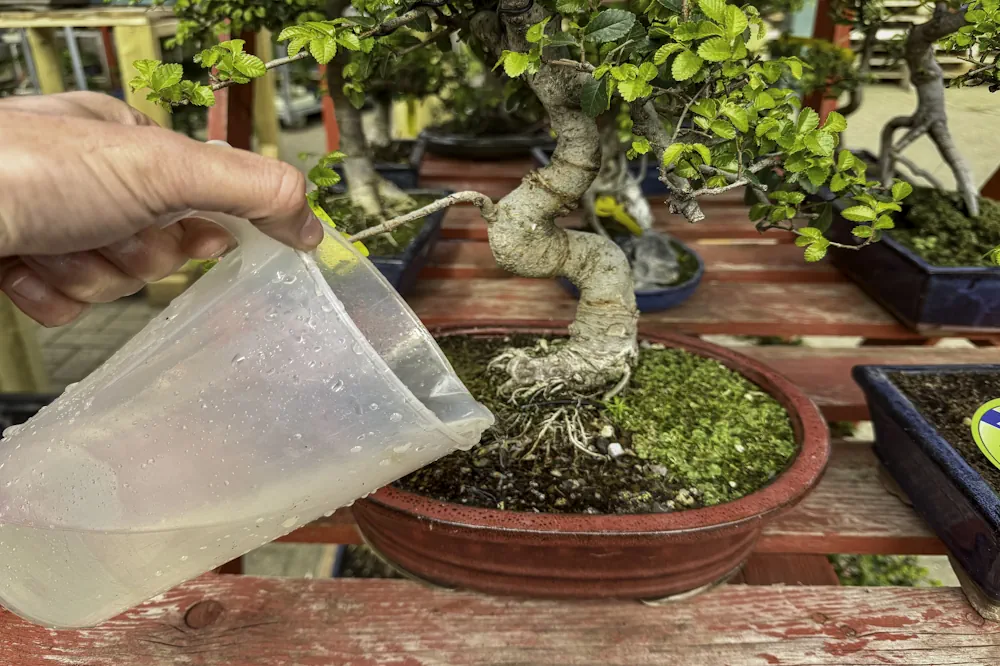
In October, growth slows sharply and your focus shifts from feeding and shaping to protection and balance. You reduce inputs, avoid stimulating new growth, and prepare for colder nights across the UK.
Bonsai watering in October UK conditions changes week by week. As temperatures fall and daylight shortens, water uptake drops quickly.
You must stop watering on a fixed schedule. Whether you have one outdoor maple or a full bench of mixed species, the approach is the same: check soil moisture with a finger or chopstick and water only when the top layer feels just dry.
For hardy outdoor species such as maple, larch, or pine:
Excess water in cool soil limits oxygen and increases root rot risk. Dormant or near dormant trees use very little moisture.
For indoor tropical species like ficus:
Morning watering remains best. It allows surface moisture to evaporate before night temperatures fall.
For bonsai feeding October UK guidance is clear for temperate species. Stop feeding all outdoor hardy bonsai in October.
Nitrogen at this stage encourages soft growth. That growth will not harden before frost and can die back in early winter.
Outdoor deciduous and conifer species:
For indoor tropical bonsai, you can take a slightly different approach. If the tree still shows active growth in early October, apply a very diluted feed once.
Then stop entirely by mid to late October. Reduced light levels limit growth, even indoors.
Avoid the temptation to “boost” weak trees with feed. In autumn, correct watering and positioning matter more than fertiliser.
You might ask, is it too late to prune bonsai in October? It depends on what you plan to cut.
What you can do safely:
Leaf drop gives you a clear view of the framework. Mark branches for future removal if needed.
What must wait until spring:
Trees respond slowly in cool conditions. Large wounds also heal poorly once dormancy sets in.
For pines, you can remove old needles and clean out congested areas. Avoid aggressive cutting.
Use this month to observe shape and balance rather than redesign the tree.
Bonsai frost protection in October depends on species and location. In Scotland and northern England, the first hard frost often arrives weeks earlier than in southern England.
Start preparing protection before the first forecast frost.
Fully hardy species such as field maple or Scots pine:
Semi-hardy species such as Chinese elm, olive, or some juniper varieties:
Small pots freeze faster than large containers. Your bonsai positioning in October should reduce exposure while still allowing airflow.
Act when night temperatures approach 0°C. Do not wait for repeated heavy frost before protecting vulnerable trees.
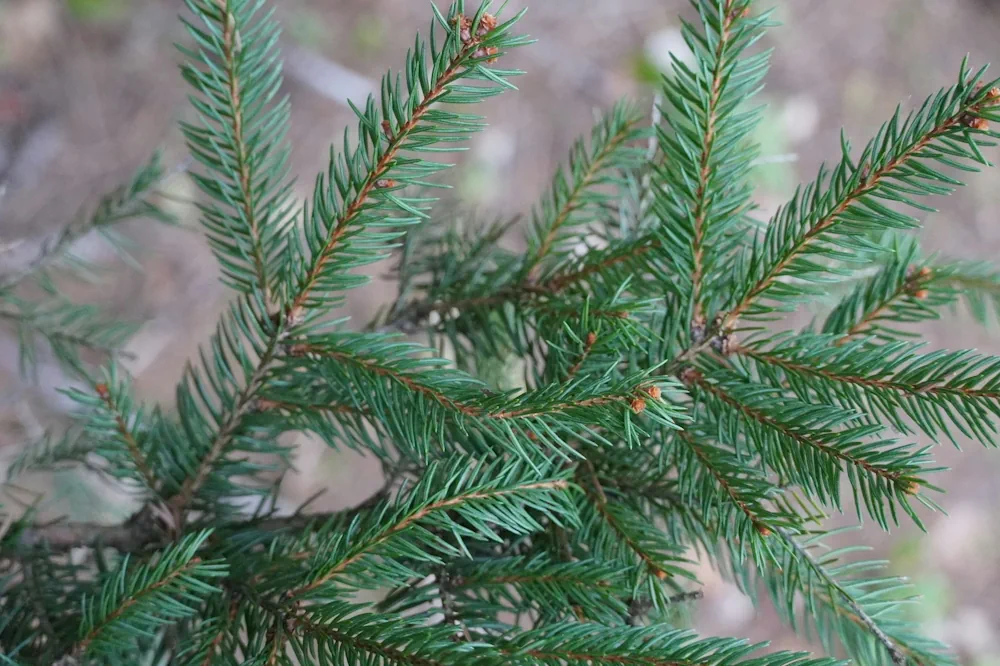
October bonsai care in the UK centres on careful observation. You want to separate normal seasonal change from real problems, deal with pests before they overwinter, and decide what level of frost protection each tree needs.
A proper bonsai health check in October starts with knowing what is normal.
In the UK, deciduous trees such as maples and elms will:
These are healthy signs of dormancy. The soil will stay damp for longer, and you will water less often.
Normal October Changes vs Stress Indicators
| Normal in October | Cause for Concern |
|---|---|
| Gradual leaf drop | Sudden, widespread bare branches |
| Reduced water use | Compost stays wet for weeks with no uptake |
| Firm dormant buds | Soft, pale growth still extending |
Sudden leaf loss can signal root problems, overwatering, or fungal disease.
If a tree continues pushing soft growth late into October, you may have fed too late or kept it too warm. That growth is vulnerable to frost and often dies back.
October is your last realistic chance to treat pests before winter. Once trees lose leaves, insects can overwinter unnoticed and cause heavier infestations in spring.
Pay close attention to:
Scale is common and easy to miss. Look for small brown or grey bumps attached firmly to bark. Scrape gently with a fingernail to confirm.
In October, you can still use:
Avoid heavy spraying once night temperatures drop close to 0°C. Save stronger treatments for spring unless the infestation is severe.
Before hard frosts arrive, group your trees by protection level. This is a key part of assessing winter protection needs in bonsai care October UK.
1. Fully hardy outdoor species
Examples include many pines, junipers, and larches.
These tolerate UK winters and usually need no special cover, though you should protect pots from repeated freeze and thaw cycles.
2. Semi hardy species
Examples include some maples and Chinese elms.
Protect them from temperatures below minus 5°C. Use a cold frame, unheated greenhouse, or sheltered spot.
3. Tender tropical species
Ficus and other tropical bonsai must move indoors before any frost. Even light frost can kill roots.
By late October, aim to have a clear plan for every tree in your collection.
Use this bonsai October care guide as a practical reference for bonsai care October UK. Work through it week by week so nothing gets missed.
This is when you shift from active growth to preparation.
In the UK climate, conditions change quickly. Stay observant.
This stage locks in your October bonsai tasks UK wide.
October bonsai care in the UK focuses on preparation. If you enter November with protected, well-positioned, healthy trees, you have done what matters most.
In our experience, the most common October mistake is continuing September habits for too long. Feeding into mid-October, watering on a summer schedule, and delaying frost protection until after the first cold snap are the three things that most often leave trees underprepared for winter. October asks very little of you compared to the active growing season; stop feeding, check the soil before you water, and have your protection plan ready before frost is forecast. Do those three things consistently, and your trees will enter November stable, hardened, and ready to rest.
Miyagi Bonsai stocks a carefully chosen range of frost protection supplies, autumn fertilisers, bonsai tools, and trees suited to UK seasonal care, including hardy outdoor species such as Japanese Maple, Pine, and Larch, with next working day UK delivery available on most orders. The products and recommendations in this guide reflect what we stock, use, and see working for our customers every day. We are rated 5 stars across over 100 Google reviews, and our team is on hand by email and phone if you have any questions about October care, frost protection, or preparing your bonsai for winter.
Tender tropical species such as ficus and serissa must come indoors before any frost; even a light frost can damage roots irreversibly. Semi-hardy species such as Chinese elm and some junipers can stay outside but need shelter from hard frosts below -5°C, using a cold frame or unheated greenhouse. Fully hardy temperate species such as pine, larch, and field maple should remain outdoors throughout October and winter. Bringing hardy species indoors disrupts their dormancy cycle and weakens them over time.
Trees that miss October preparation often enter winter with soft, unhardened growth, waterlogged roots, and undetected pest infestations. Soft growth dies back in frost and rarely recovers cleanly. Saturated soil in cold conditions accelerates root rot. Pests that overwinter on bark return in greater numbers in spring. October mistakes do not show immediately; they surface in March and April when growth resumes, and you discover dieback, weak budding, or root failure that started three months earlier.

