
Most bonsai take between 2 and 5 years to achieve a recognisable, well-trained form when started from nursery stock. Trees started from seed typically require 5 to 10 years before refined shaping is possible. Pre-bonsai trees can be shaped immediately, with ongoing refinement continuing indefinitely.
Which approach suits your situation?
Bonsai growth rate depends primarily on three factors: the species chosen, how the tree is started and the growing conditions provided. Some species develop visible trunk structure and branch ramification within a few growing seasons, while others require decades of careful training to achieve a refined appearance.
This guide covers how long different bonsai starting methods take, which species grow fastest, how long bonsai live and how to support faster development through soil, pruning, feeding and repotting.
A bonsai tree does not “finish growing” in the traditional sense. Instead, bonsai development happens in stages, and the timeframe depends largely on how the tree is started.
Typical bonsai growth timelines:
From seed: 5–10+ years before refined shaping is possible
From nursery stock: 2–5 years to achieve a mature bonsai appearance
From pre-bonsai: Immediate shaping, with ongoing refinement over time
While bonsai trees continue to develop throughout their lifespan, these timelines reflect how long it usually takes to reach a recognisable, well-trained form.
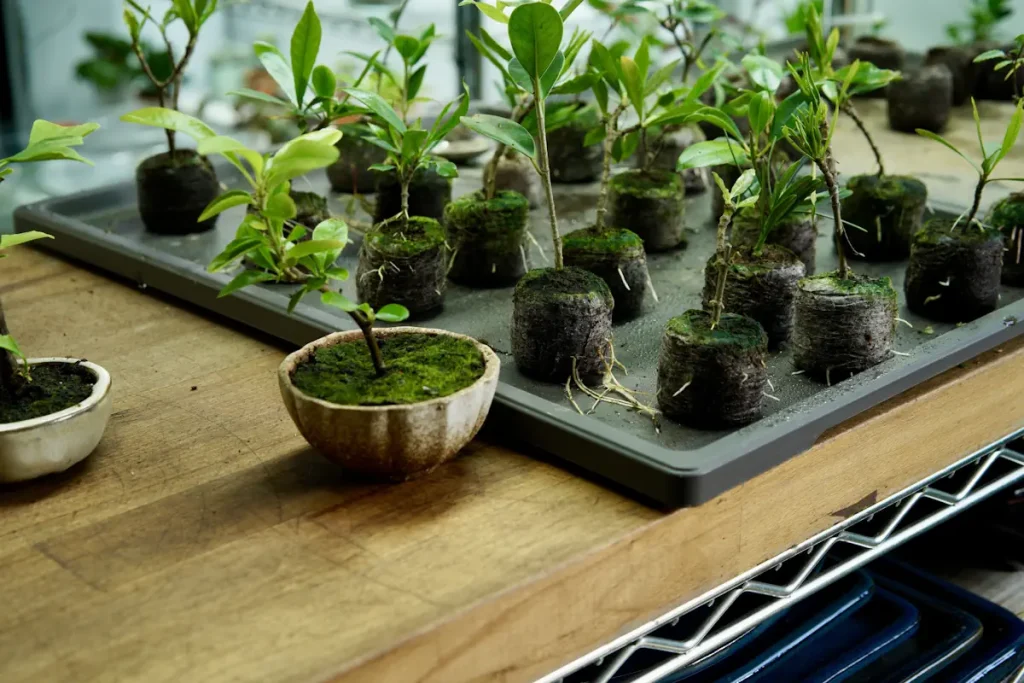
For those new to bonsai, starting with nursery-grown or pre-bonsai trees is often recommended. These trees have already completed their early structural growth phase, allowing beginners to focus on pruning, wiring, and overall maintenance.
Fully trained, display-ready bonsai available for purchase are typically five years old or more, depending on the species and level of refinement.
While starting with a seed gives full control over the tree’s development, it does require more commitment. Bonsai grown from seed typically require at least three years before any basic shaping can begin, with five to ten years needed before refined bonsai styling is possible. This option is ideal for those interested in a long-term project who enjoy the gradual process of cultivation.
Some bonsai species grow faster than others, meaning they show visible trunk thickening, branch development, and leaf production within the first few growing seasons. These species are more suitable for beginners or those eager to see noticeable progress sooner. For example, the Japanese Black Pine, Chinese Elm, and Ficus are popular choices known for their faster growth rates. This makes them excellent candidates for those who wish to dive into the art of bonsai with vigour.
Bonsai trees can live for a remarkably long time with proper care, often as long as several hundred years. Some have even reached a millennium. Dedicated care is crucial to their longevity.
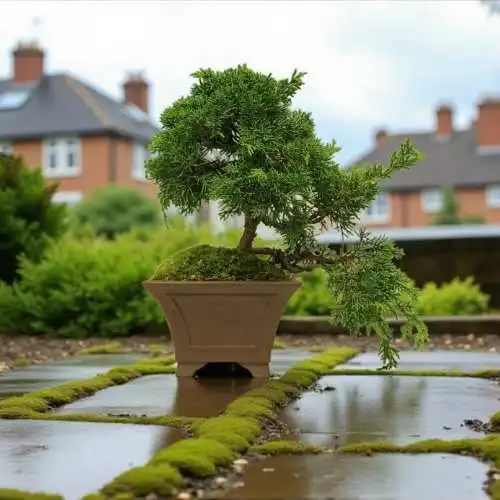
Multiple factors determine the lifespan of a bonsai. Species-specific traits set the potential ceiling, but care quality determines how close a tree comes to that ceiling. Attentive watering, regular pruning and ensuring temperate species enter full winter dormancy are the most important longevity factors.
Here’s a simple breakdown of factors that contribute to a bonsai’s longevity:
Species-specific traits: Certain species naturally live longer.
Care quality and maintenance: Regular upkeep prolongs life.
A well-nurtured bonsai becomes more than just a tree; it transforms into an heirloom passed through generations. Consistent routines, like ensuring exposure to adequate sunlight and seasonal protection, help us achieve this.
A well-maintained bonsai can remain healthy and visually refined for generations with consistent seasonal care.
When considering fast-growing bonsai trees, ficus, Chinese elm, and trident maple are among the most reliable options for beginners. In addition to these core species, several other trees also develop quickly under the right conditions.
Aspen trees, known for their distinctive leaves and white bark, are a great option for those looking to develop a bonsai quickly. Aspens grow in a variety of climates, adapting well to different environments, and they can thrive with the right care.
Being deciduous, they shed their leaves in autumn, which allows for a wonderful seasonal display. This species is not only fast-growing but also provides an opportunity to experiment with different shaping techniques and pruning styles. It’s essential to maintain regular watering and to protect young aspens from harsh conditions, helping them reach their potential size swiftly.
The Japanese Pepper Tree is admired for its aromatic leaves and delicate, feathery foliage, bringing both visual charm and a light fragrance to a bonsai display. Known for its quick growth, it establishes well in a short time, making it a rewarding choice for shaping and styling.
It thrives in bright sunlight with regular watering to maintain vigour, while its flexible branches allow for creative design through wiring and pruning. Consistent trimming fosters a refined structure, ensuring the tree retains its lively, ornamental appeal.
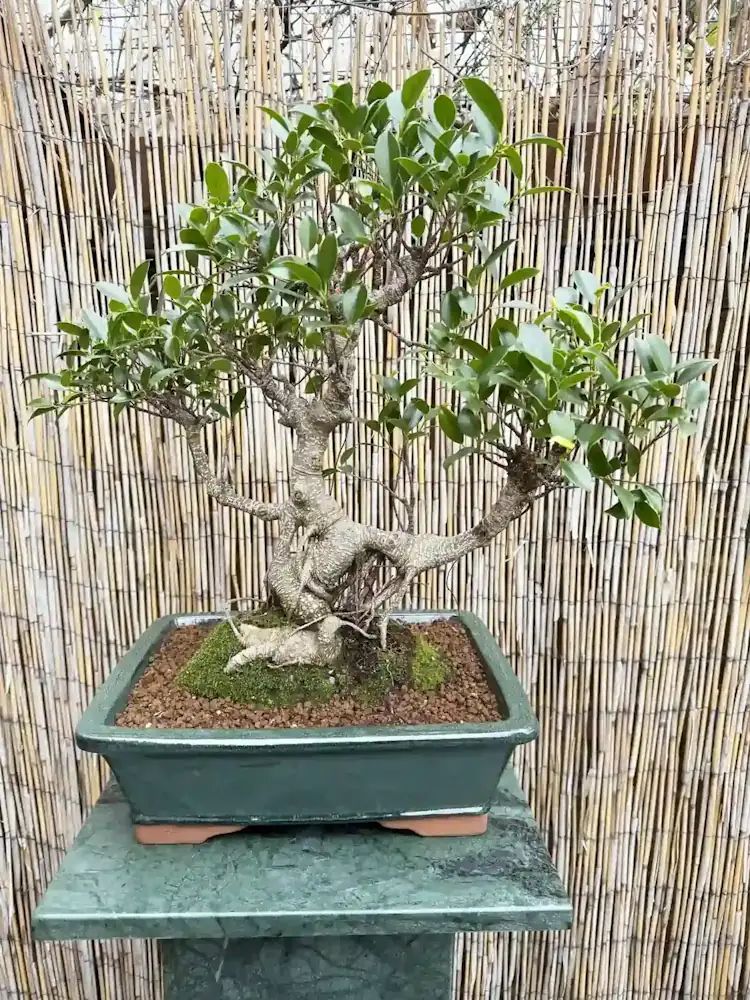
Ficus species, such as the Ficus retusa, are favoured in bonsai cultivation due to their robust growth and resilience to varied conditions. Notably fast-growing, ficus trees are often recommended for those new to bonsai, as they can withstand periods of negligence and adapt well to indoor environments.
Their thick trunks and glossy leaves add to their aesthetic appeal. They are also forgiving of frequent pruning, making it easier to train them into various shapes. Proper care involves maintaining a consistent watering schedule and ensuring they receive adequate light, promoting their rapid development.
The Chinese Elm is a fast-growing and highly adaptable species, prized for its fine branching and small, serrated leaves that create a naturally balanced silhouette. Its vigorous growth makes it perfect for beginners and enthusiasts looking to practice regular pruning and shaping techniques.
Thriving in full sun to partial shade, it prefers moist, well-drained soil and responds well to wiring, trimming, and defoliation. With consistent care, the Chinese Elm develops a mature, textured bark and refined form, embodying classic bonsai character.
Weeping willows are spectacular due to their iconic drooping branches, and they are celebrated for their quick growth in the bonsai community. These trees can develop rapidly, requiring ample water to support their lush foliage and keep them thriving.
Their unique appearance makes them a striking addition to any bonsai collection. Regular pruning is necessary to shape their cascading branches and maintain their form. Suitable for those ready to dedicate time to care, they offer a rewarding and dynamic bonsai experience.
Jade plants, known in the bonsai world as “money trees,” are favoured for their thick, glossy leaves and ease of care. Growing quickly and efficiently, they are especially suited to indoor environments where they can thrive with moderate light.
Unlike other bonsai trees, jade requires well-draining soil and can tolerate drier conditions. This makes them less demanding and a perfect candidate for beginners. Their ability to bounce back from extensive pruning assures a steady and manageable growth rate, promoting their popularity among plant lovers.
Growth rate can be improved through four main areas: soil composition, pruning technique, fertiliser selection and root management. Each plays a distinct role in how quickly a bonsai develops trunk structure, branch ramification and overall form.
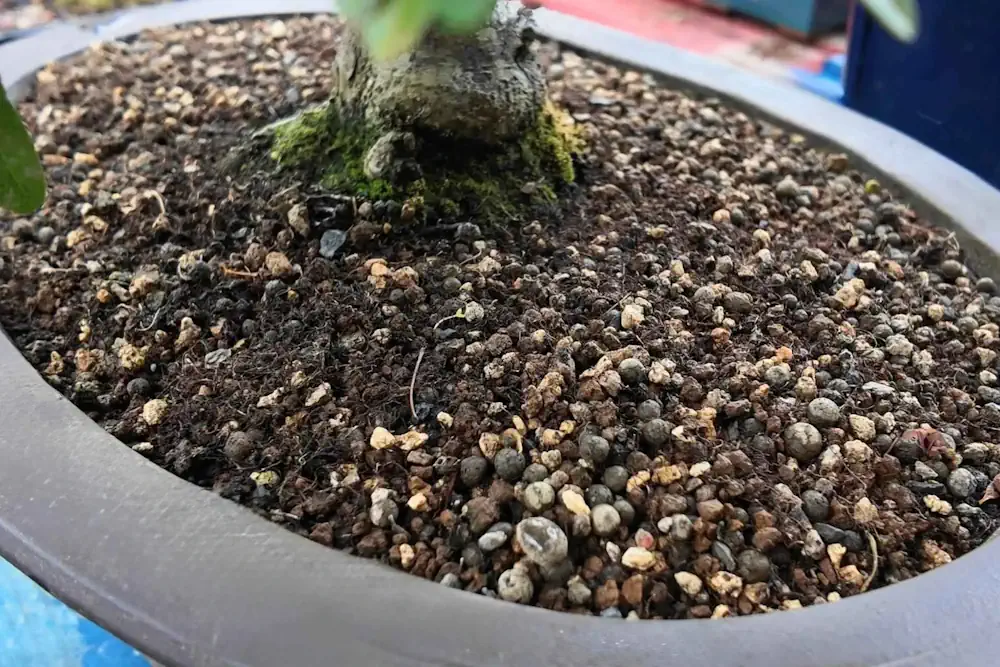
Choosing the right soil for your bonsai is crucial. Well-draining soil prevents the root system from suffocating and ensures excess water doesn’t lead to root rot. Specialised bonsai soil mixes are recommended, commonly containing a mix of Akadama, pumice, and lava rock.
These ingredients provide the necessary aeration and drainage. Bonsai pots with adequate drainage holes also play a significant role in maintaining ideal soil conditions, helping to keep the roots healthy and promoting faster tree growth.
Pruning is essential for both shaping the bonsai and encouraging vigorous growth. Regular trimming helps redirect the plant’s energy towards developing a dense canopy and robust branches. Major pruning is best carried out in late autumn or winter when the tree is dormant.
This timing minimises stress and allows time for the tree to recover before the growing season. Structured pruning enhances ramification, giving the tree more branches and a fuller appearance.
Applying the appropriate fertiliser is vital for promoting healthy bonsai growth. Fertilisers supply essential nutrients that may be lacking in soil. It’s important to adjust fertilisation based on the species and its growth stage.
A balanced fertiliser applied in early spring supports new growth, while a low-nitrogen variant can be used in summer to maintain strength. Ensure you follow a consistent seasonal fertilisation schedule to optimise results and support the tree’s health.
Root trimming and repotting are integral to a bonsai’s care routine. Regularly pruning the roots helps maintain the tree’s size and health. It’s recommended to repot every 1-2 years, or when you notice the tree becoming root-bound.
Choose a bonsai pot with good drainage to facilitate healthy root systems. When repotting, carefully untangle the roots and trim any that are overly long or damaged, encouraging a more compact root structure and supporting faster growth.
For most beginners, the right starting point is a nursery-grown tree in a fast-growing species such as Ficus or Chinese Elm. Both are forgiving, respond well to pruning and show visible development within the first growing season. Starting from seed is a rewarding long-term approach, but it requires several years before meaningful shaping work can begin.
In our experience, the most common source of disappointment with bonsai growth is unrealistic expectations about timescale. Bonsai development is measured in growing seasons, not weeks. A tree that shows strong new growth each spring and is pruned, fed and repotted consistently will develop more quickly and more reliably than one that receives irregular attention, regardless of how fast-growing the species is.
Miyagi Bonsai stocks a carefully chosen range of bonsai trees, including fast-growing beginner species and more advanced varieties, with next working day UK delivery available on most orders. The products and recommendations in this guide reflect what we stock, use and see working for our customers every day. We are rated 5 stars across over 100 Google reviews, and our team is on hand by email and phone if you have any questions about choosing the right species or getting started with bonsai care.
Below are answers to some of the most frequently asked questions about bonsai growth timelines, fast-growing species, and beginner care. These FAQs address common concerns about how long bonsai trees take to grow and how to encourage healthy, steady development.
For newcomers, species like the Chinese Elm and Ficus are highly recommended. They are forgiving and can tolerate mistakes. Their adaptability makes them less challenging to manage, which is great for those just starting.
The Ficus species is an excellent option for indoor cultivation. It thrives in indoor environments due to its ability to withstand varying light conditions and humidity levels. With proper care, it can be a beautiful addition to any home.
The journey from seed to maturity for a bonsai tree can take anywhere from five to ten years, depending on the species. Fast-growing types, like the Metasequoia, may reach maturity quicker than others, offering a gratifying experience for those eager to see progress.
Metasequoia and Weeping Willow are noted for rapid growth. They can develop at a noteworthy pace, especially with the right care. Fast growth makes them a popular choice among bonsai enthusiasts looking for quick results.
For an absolute novice, we recommend the Juniper or Chinese Elm. These varieties are known for their ease of care, robustness, and tolerance to common beginner mistakes. Their forgiving nature makes them ideal for those new to bonsai cultivation.
To encourage fast bonsai growth, ensure consistent watering, ample sunlight, and regular fertilisation. Pruning techniques should be employed carefully to maintain shape and promote healthy development. Adequate drainage and periodic pot changes are also vital in supporting vigorous growth.

