
Bonsai is the ancient art of growing miniature trees in small containers, training them over time through careful pruning, watering, and shaping to mimic the form of full-sized trees in nature. It’s a rewarding practice, but most beginners struggle because they overwater their tree, place it in the wrong environment, or choose a species that doesn’t suit their lifestyle.
This guide covers everything you need to get it right: from choosing the correct soil and fertiliser, to watering schedules, seasonal adjustments, and avoiding the most common mistakes that kill bonsai trees prematurely.
When choosing a bonsai species, the most important factors to consider are growth rate, leaf size, suitability for shaping, and how well the tree fits your lifestyle and environment. Common species of bonsai include:
Researching the specific care needs of your chosen species is crucial; it will directly affect not only the aesthetic results but also the long-term health and longevity of your bonsai.
🎁 Buying as a gift? A pre-trained Ficus or Juniper are the safest choice; both are visually striking and forgiving enough for someone new to bonsai.
The choice between an indoor and outdoor bonsai will significantly impact your care routine and the tree’s growth.
🏢 Setting up in an office? Stick to tropical indoor species like Ficus or Schefflera. They tolerate the stable temperatures and artificial light typical of office spaces far better than outdoor varieties.
When positioning your bonsai, ensure it receives sufficient sunlight without direct exposure during the peak heat, and maintain good air circulation without exposing the plant to harsh wind or weather extremes. Proper positioning helps mimic the tree’s natural environment, promoting a healthy and aesthetically pleasing bonsai.
In this section, the fundamental practices required to maintain the health and vigour of a Bonsai tree are outlined, focusing on appropriate watering, feeding, and pruning techniques.
⏱️ Short on time? Jade and Ficus are the most tolerant of irregular watering schedules; but no bonsai thrives on neglect, so aim to check soil moisture at least every two to three days.
Our Bonsai trees necessitate regular feeding to compensate for the limited nutrients available in their small pots. Choosing the right bonsai fertiliser, whether it be organic or chemical, liquid or solid, is critical to providing a balanced supply of nitrogen, phosphorus, potassium, and essential trace elements. During the growing season, which ranges from spring to autumn, our Bonsai benefits most from fertilisation. We avoid fertilising during dormancy and immediately after repotting. It’s vital to water our Bonsai before and after fertilisation to prevent harm to the roots and distribute the nutrients effectively.
Regular pruning and shaping not only improve the health and aesthetics of our Bonsai but also allow us to convey our artistic perspective. We prune to remove unnecessary branches, leaves, and buds, enhancing the tree’s structure and stimulating new growth. Tools like scissors, cutters, and wire are indispensable for this task and must be kept sharp and clean to prevent infection. There are two key pruning methods: maintenance pruning, which occurs all year round, and structural pruning, conducted during the dormant season to define the Bonsai’s style. Shaping is achieved through wiring and meticulous branch bending. Each cut should respect the natural form of the Bonsai, contributing to a balanced and elegant outcome.
Creating the right environment for a bonsai tree is crucial for its health and growth. The specific lighting, temperature, and seasonal requirements are key to cultivating a thriving bonsai.
Bonsai trees require ample lighting to sustain photosynthesis, which is vital for their survival. It’s important to position your bonsai near a south-facing window to ensure it receives plenty of sunlight throughout the day. During the winter, when the sun is less intense, ensure that your bonsai still gets a minimum of a few hours of sunlight. If natural light is insufficient, consider using artificial grow lights.
Temperature is another important aspect of the right environment. Bonsai trees thrive in temperatures that mimic their natural habitat. The ideal temperature range during the growing season is between 15°C and 25°C for indoor bonsai. It is crucial to avoid placing your bonsai near sources of heat or cold drafts, as sudden temperature changes can harm the root system.
🌱 Complete beginner? Start with an indoor tropical species, position it on a south-facing windowsill, and focus on getting watering right before worrying about pruning or shaping.
With the changing seasons, the care for bonsai trees must adapt accordingly. During spring and summer, bonsai trees actively grow and require more water and aeration in the soil. Using a mix that includes Kyodama can promote excellent drainage and oxygen flow to the roots.
In winter, it is paramount to protect the bonsai from extreme cold as the roots are particularly vulnerable to freezing. Moving the bonsai indoors or providing a protective barrier outdoors can be necessary. Additionally, the use of a humidity drip tray can be beneficial during the heating period indoors to maintain adequate moisture levels around the tree.
As the seasons transition, adjusting watering practices is mandatory. The bonsai’s water needs will decrease during the cooler months, and it’s vital to ensure that the soil doesn’t remain soggy, which can lead to root rot.
By attentively managing these environmental factors, we can create a nurturing space for our bonsai trees to prosper.
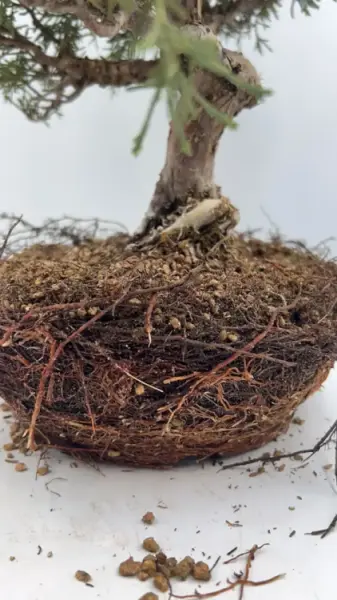
Repotting is a crucial component of bonsai maintenance, necessary to sustain the tree’s health by providing fresh soil and room for root expansion.
When selecting a new pot for your bonsai, consider both aesthetics and functionality. The pot should be proportionate in size to the tree, typically one-third the height of the tree for upright styles or two-thirds for literati style. Regarding materials, unglazed pots are commonly used for conifers to imply a natural setting, while glazed pots can be befitting for flowering and fruiting trees as they accentuate the tree’s colours.
The choice of soil is paramount, as it affects the tree’s drainage and nutrient uptake. A common soil mixture includes akadama (a Japanese clay granulate), pumice, and lava rock, with proportions varying based on the specific water retention and draining needs of your bonsai species. Additionally, adding compost or organic matter can enhance the nutrient content, but should be used sparingly as bonsai requires well-draining soil to prevent root rot.
When caring for bonsai trees, we may encounter several common issues that can hinder their growth. We’ll discuss how to manage pests and diseases effectively, as well as methods to prevent overwatering and root rot which are vital for maintaining a healthy bonsai.
Pests and diseases can have a detrimental effect on bonsai trees, but these issues can be managed with vigilance and the right techniques. If we notice any signs of infestation or illness, it is crucial to act promptly:
Overwatering is a prevalent issue that can lead to root rot, a serious condition for bonsai trees. It’s key to strike the right balance with watering:
By addressing these issues with our guidance, gardeners can promote the well-being of their bonsai trees and enjoy the rewarding experience of bonsai cultivation.
Bonsai is one of the most rewarding plants you can grow, but it does require the right setup from the start. Here’s a quick recap of the most important things to get right:
Our recommendation for most people: Start with an indoor Ficus bonsai on a bright south-facing windowsill. It is the most forgiving species available, the easiest to source, and the best foundation for learning the core skills of bonsai care before moving on to more demanding varieties.
Ready to get started? Browse the full range of bonsai trees at London’s leading bonsai store, Miyagi Bonsai. Each one arrives with a care guide tailored from hands-on expertise to help you hit the ground running.
In this section, some of the most common queries regarding bonsai tree care will be addressed, from initial care tips for beginners to understanding the deeper meanings bonsai trees hold.
For beginners, species like Ficus, Juniper, and Japanese Maple are excellent choices. These trees have attributes that make them easier to care for, such as adaptability to various climates and forgiving nature when it comes to watering and pruning.
Bonsai trees should be fertilised regularly throughout the growing season, which runs from spring to autumn. During this period, feed once every two to four weeks using a balanced fertiliser containing nitrogen, phosphorus, and potassium. Avoid fertilising during winter dormancy or immediately after repotting, as this can stress the roots. Always water the tree before and after applying fertiliser to help distribute nutrients effectively.
Bonsai trees are deeply rooted in Japanese and Chinese culture, where they represent harmony, balance, and the relationship between humanity and nature. The practice of bonsai is seen as a meditative art form; the careful, patient shaping of a living tree is considered a reflection of the grower’s inner discipline and respect for the natural world. In the home, bonsai trees are often associated with peace, longevity, and good fortune.
Species such as the Ficus bonsai Jade Plant and Chinese elms are suitable for indoor cultivation and are known for their fast-growing nature. These varieties adapt well to indoor environments and grow quickly compared to other bonsai, which means more frequent pruning and shaping opportunities for enthusiasts.
Yes, bonsai trees require a period of darkness to maintain their natural growth cycles, mirroring their natural environment. Typically, providing 12 to 14 hours of light, followed by a rest period with darkness, will simulate a natural day-night cycle and contribute to their health.

