
Bonsai cultivation combines horticultural skill with long-term care, requiring thoughtful species selection and consistent maintenance. Understanding bonsai tree types and their individual care needs is the foundation of successful cultivation; the right species choice makes every other aspect of care more manageable.
There are three main bonsai tree types: indoor tropical species, outdoor deciduous trees, and outdoor conifers. Indoor bonsai, such as ficus, are suited to stable indoor temperatures, while outdoor deciduous species like Chinese elm and Japanese maple follow seasonal growth cycles. Conifers, including juniper and pine, remain evergreen year-round. Beginners usually succeed fastest with hardy bonsai tree types such as juniper, ficus, and Chinese elm, as these tolerate pruning mistakes, irregular watering, and changing conditions better than more delicate species.
Bonsai are valued for their longevity and the structure and calm they bring to indoor and outdoor spaces. Selecting the right bonsai begins with recognising that certain species are more forgiving and better suited to beginners, while others offer rewarding complexity for experienced growers.
Starting bonsai cultivation is best approached with species that tolerate beginner mistakes and adapt well to common home or garden conditions. Both low-maintenance and more advanced bonsai species are outlined below to suit different experience levels.
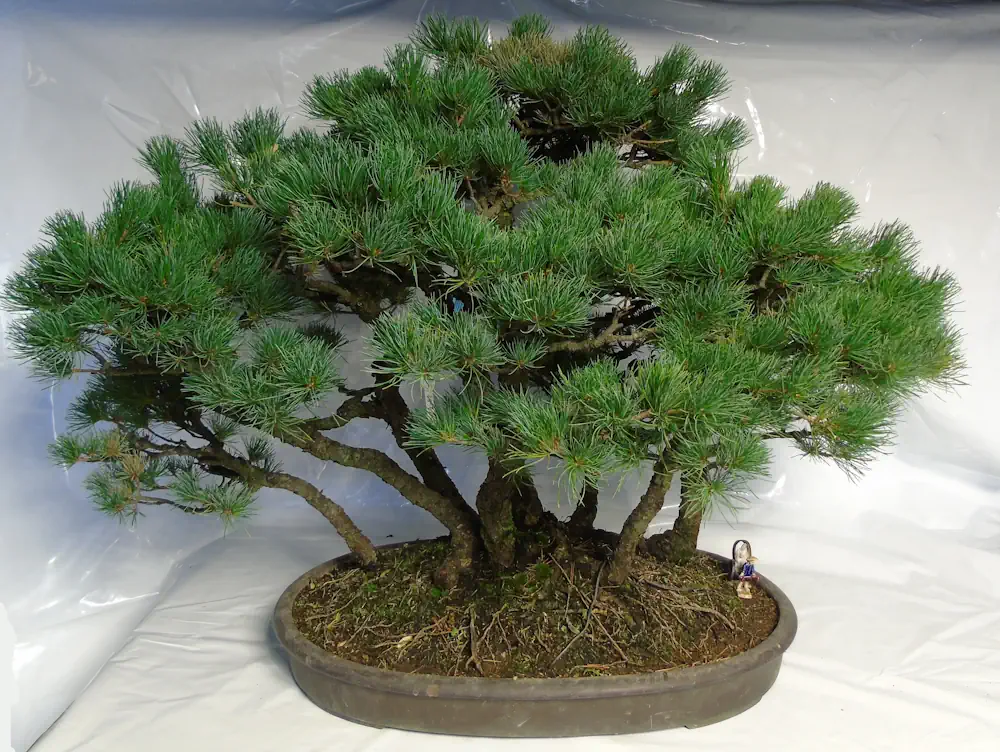
Indoor bonsai species are well-suited to stable household temperatures and controlled light conditions. Common indoor bonsai species include:
| Indoor Bonsai | Light Needs | Watering Needs |
|---|---|---|
| Ficus Bonsai Trees | Bright, indirect | Allow to dry slightly |
| Chinese Elm | Variable light | Regular, don’t overwater |
| Dwarf Jade | Plenty of sunlight | Drought-tolerant |
| Hawaiian Umbrella | Indirect light | Forgiving to overwatering |
Most conifers and temperate deciduous bonsai require outdoor seasonal cycles to remain healthy, whereas tropical species like ficus and jade are true indoor bonsai.
Outdoor bonsai species are best suited to gardens, patios, or balconies where they can experience natural seasonal changes.
| Outdoor Bonsai | Climate Preference | Care Notes |
|---|---|---|
| Juniper Bonsai Trees | Cooler temperatures | Hardy, requires less water |
| Cotoneaster | Tolerant of cold | Produces berries and flowers |
| Olive Bonsai Trees | Warm, sunny | Resilient to pruning |
| Rosemary | Prefers sun | Hardy and aromatic |
These species provide a reliable starting point for both indoor and outdoor cultivation. Patience and consistent care are the two most important factors in long-term bonsai success regardless of species chosen.
Selecting the right bonsai species depends on growth habits, environment and long-term care requirements. The main categories and their most widely grown examples are outlined below.
Broadleaf evergreen – Ficus and Azalea retain their leaves year-round. Both suit indoor conditions when placed in good light and stable temperatures.
Deciduous – Japanese Maple (Acer palmatum) and Chinese Elm lose their leaves in autumn, producing seasonal colour. Chinese Elm is the more forgiving of the two and tolerates indoor and outdoor conditions.
Conifers – Juniper and Pine are evergreen and retain foliage year-round. Juniper is the most beginner-friendly conifer. Pine suits experienced growers who are prepared for more precise seasonal care.
Species selection should always align with local climate and the grower’s available time and environment. A species that matches the growing conditions requires significantly less intervention to remain healthy.
Bonsai care centres on three areas: pruning and shaping, style and training, and meeting environmental requirements. Consistent care practices are essential for maintaining health and structure over time.
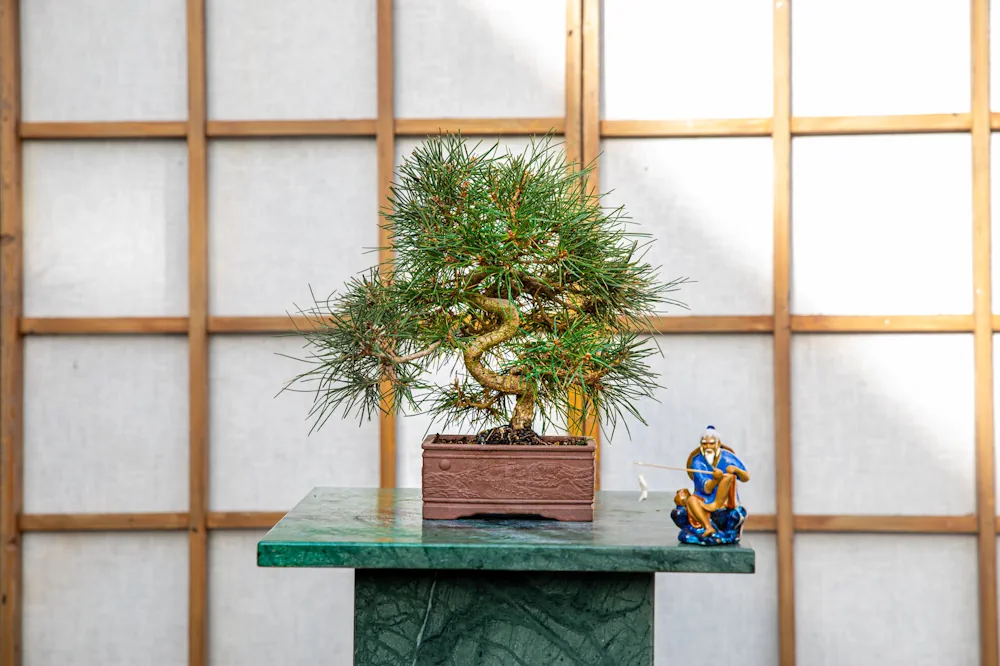
Pruning serves both aesthetic and health purposes. Regular pruning with sharp, clean tools should be part of every bonsai care routine:
Each pruning decision influences long-term structure, balance, and overall health.
Advanced bonsai styles focus on expressing movement, age, and environmental influence:
These elaborate stylings might require the use of wiring to guide the tree into unwonted shapes while still keeping with its natural flow.
Environmental requirements vary significantly between indoor and outdoor species. Indoor bonsai such as Ficus perform well in bright rooms without direct sunlight and generally require less intensive seasonal maintenance. Indoor bonsai may also require selection based on their suitability for pets.
Outdoor bonsai require more attention across the year, with watering adjusted for seasonal conditions. Regardless of species, understanding the individual light, temperature and moisture needs of the tree is the foundation of consistent bonsai health.
Climate is one of the most important factors when selecting a bonsai tree. Temperature ranges, seasonal changes, and whether a tree will be grown indoors or outdoors all influence long-term health and growth. Selecting a species suited to local conditions reduces stress and simplifies ongoing care.
In warmer or consistently mild climates, a wider range of bonsai species can be grown outdoors year-round. Tropical and subtropical species such as ficus adapt well to heat and humidity and can also be kept indoors where temperatures remain stable. These species benefit from bright light and protection from cold drafts or frost.
In cooler climates with defined seasons, hardy species are more reliable choices. Deciduous trees such as Chinese elm and many conifers, including juniper and pine, tolerate lower temperatures and seasonal dormancy. These species are best grown outdoors, where they can experience natural temperature cycles essential for healthy development.
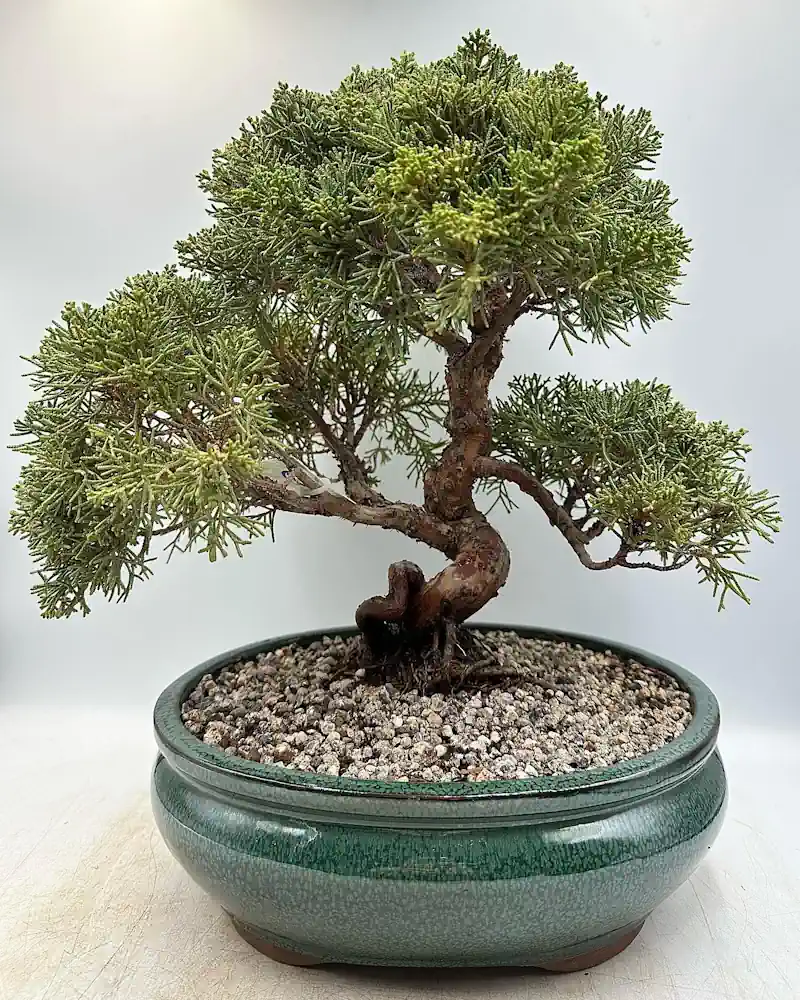
The following profiles cover four of the most widely grown bonsai species, with care requirements and practical tips for each. These species represent the most common starting points for beginner and intermediate growers.
Ficus bonsai, especially the Ginseng Ficus, is one of the most forgiving indoor species available. Its robust nature makes it well suited to growers who are still building a consistent watering routine.
Juniper bonsai are widely admired for their natural structure and adaptability to styling. They respond well to pruning and are excellent for practising wiring techniques. Their resilience makes the learning process more manageable for beginners.
The Japanese Maple bonsai (Acer palmatum) is forgiving of pruning mistakes and an excellent starter tree for outdoor growing. Consistent watering is important as this species requires regular moisture to remain healthy.
Pine trees such as Japanese Black Pine and Scots Pine are classic outdoor bonsai with year-round evergreen structure. Mountain Pine and Japanese White Pine are also widely grown. Pine bonsai suit dedicated growers prepared for more demanding seasonal care.
Growth timelines vary significantly between bonsai species. The time required to reach a refined aesthetic form depends on species, starting point and care quality.
Different Bonsai Species, Different Growth Rates
Care practices such as watering, soil choice, and pruning directly influence growth rate and structure.
Starting point: Most purchased bonsai are already five to ten years old, allowing immediate focus on shaping rather than early structural development.
A Timeline Example So, for instance, if you were to start with a young Juniper bonsai, here’s a rough breakdown:
Patience is the single most important quality in bonsai development. Long-term, consistent care produces stronger and more refined results than any accelerated approach.
For most beginners, the choice comes down to one question: indoors or outdoors. Indoors, Ficus or Dwarf Jade are the most forgiving starting points. Outdoors, Juniper is the most reliable first tree across all climates.
In our experience, the most common mistake beginners make is choosing a species based on appearance rather than environment. A Japanese Maple purchased for its autumn colour, then kept indoors year-round, will decline steadily because it needs seasonal change to complete its growth cycle. Match the species to the growing environment first; aesthetics can guide the choice within that category.
Miyagi Bonsai stocks a carefully chosen range of beginner-friendly and advanced bonsai trees across all main species categories, with next working day UK delivery available on most orders. The products and recommendations in this guide reflect what we stock, use and see working for our customers every day. We are rated 5 stars across over 100 Google reviews, and our team is on hand by email and phone if you have any questions about choosing the right bonsai type for your environment.
The following questions address the most common concerns about bonsai tree types, including which species suit beginners, how fast different types grow, and which trees stay evergreen indoors. Each answer provides clear, practical guidance to help with species selection and long-term care.
Some of the best bonsai trees for beginners include Ficus, Chinese Elm, and Juniper. These species are hardy, adaptable, and tolerant of small care mistakes. They respond well to pruning and are widely available, making them ideal starting points for people learning basic bonsai care techniques.
Fast-growing bonsai species include Chinese Elm, Ficus, and certain maple varieties. These trees produce new shoots quickly, allowing growers to develop shape and structure faster through pruning and training. Fast growth can be helpful for beginners who want to see visible progress while learning bonsai techniques.
Ficus, Fukien Tea, and certain varieties of Carmona are commonly grown as evergreen indoor bonsai. These species retain their foliage year-round when kept in bright indoor conditions. With consistent watering, good light, and occasional pruning, they can maintain dense foliage and remain attractive throughout the year.
Some of the most popular bonsai species include Juniper, Ficus, Japanese Maple, Chinese Elm, and Pine. These trees are widely used because they respond well to bonsai training techniques and develop attractive shapes over time. Each species offers different foliage styles, textures, and seasonal interest.
The price of a bonsai tree varies depending on its age, species, and level of training. Young beginner bonsai often start from around £20–£50, while older or more refined specimens can cost several hundred pounds or more. Mature bonsai require years of care, which increases their value.

