
Coniferous trees shape many of the world’s forests and gardens with their evergreen beauty and resilience. They are characteristically cone-bearing trees, known for their needle-like or scale-like leaves. They include species such as pines, firs, spruces, cedars, cypresses, and junipers. Coniferous trees are evergreen gymnosperms that reproduce through cones and stay green year-round, giving life and structure to landscapes even in winter.
We can see them dominating northern forests, thriving in mountain ranges, and adding form and colour to parks and gardens. Their variety makes them valuable not only for ecosystems but also for design and cultivation. From towering Douglas firs to compact dwarf pines, conifers offer options for every space, climate, and purpose.
As we explore these trees, we uncover how to identify them by their needles, cones, and bark, and how to choose the right one for our gardens or bonsai projects. Their symbolism, endurance, and ecological role make them more than just evergreens; they are living links between nature’s past and our present landscapes.
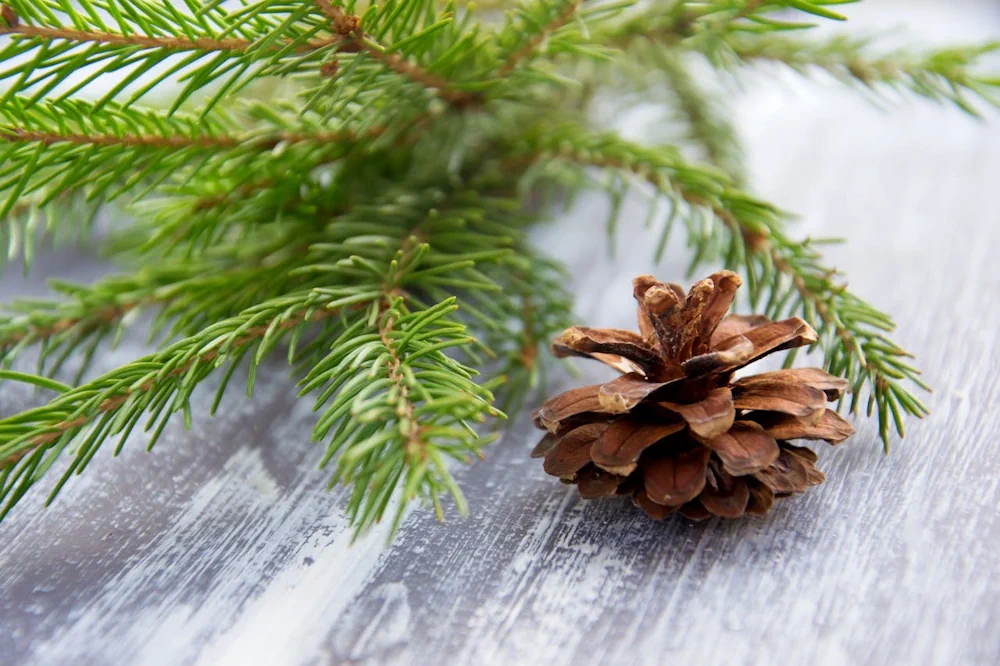
Coniferous trees are cone-bearing seed plants that belong to the division Pinophyta. We often call them conifers, and they include familiar species like pines, firs, spruces, and cedars. Most are evergreen, meaning they keep their foliage year-round, although a few, such as larches, shed their needles in autumn.
These trees usually have needle-like or scale-like leaves, which help reduce water loss and protect them from cold or dry conditions. Their cones serve as reproductive structures male cones produce pollen, and female cones contain seeds that are usually dispersed by wind.
| Characteristic | Description |
|---|---|
| Leaves | Needle-like or scale-like |
| Reproduction | Seeds in cones |
| Foliage | Mostly evergreen |
| Habitat | Common in cooler or mountainous regions |
| Examples | Pine, Fir, Spruce, Cedar, Yew |
When we compare coniferous vs deciduous trees, the main difference lies in leaf retention and reproduction. Deciduous trees drop broad leaves each autumn and regrow them in spring, while conifers keep their needles for several years and reproduce through cones rather than flowers.
Conifers play a vital ecological role. They store carbon and act as windbreaks, and offer habitats for wildlife. In northern snow forests, they dominate vast areas, helping stabilise soils and regulate climate. Their adaptability and longevity make them some of the most resilient plants on Earth.
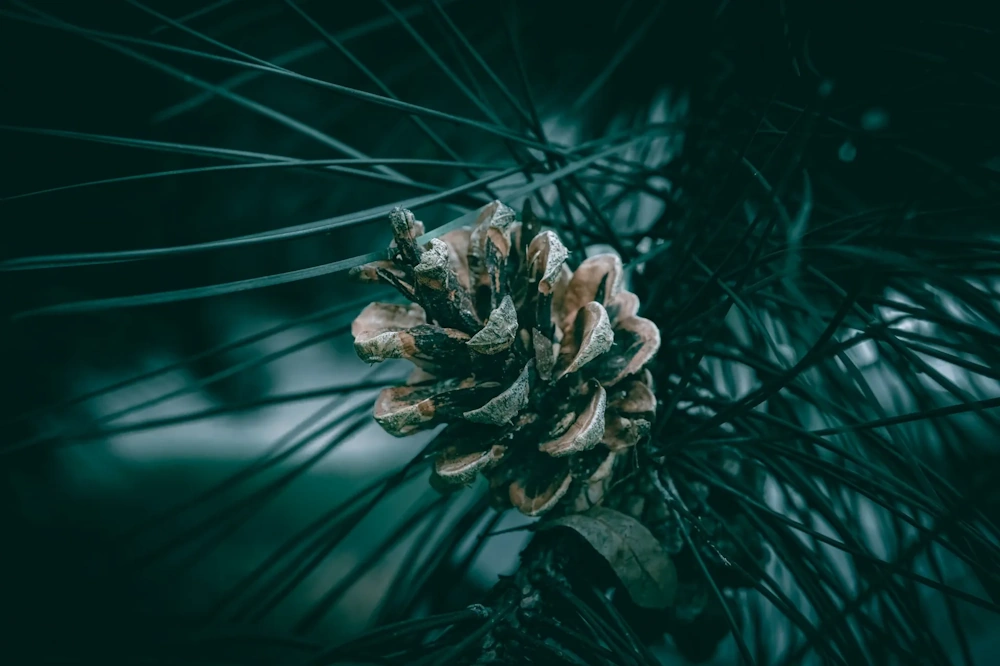
We find coniferous trees in nearly every climate zone, from cold northern forests to warm subtropical gardens. They differ in size, leaf shape, and growth habit, but all share cone-bearing reproduction and evergreen foliage that makes them valuable for landscapes, timber, and conservation.
The Pine family (Pinaceae) includes some of the most recognisable conifers such as pines, firs, spruces, and larches. This group contains over 200 species and dominates many boreal and mountain forests.
Pines (Pinus spp.) grow in clusters of 2–5 needles and release a distinctive resinous scent. We often see them used in reforestation, bonsai, and ornamental planting. Scots Pine (Pinus sylvestris) and Eastern White Pine (Pinus strobus) are well-known examples.
Spruces (Picea spp.) have sharp, stiff needles and symmetrical crowns. Their cones hang downward, and species like the Norway Spruce (Picea abies) serve as traditional Christmas trees.
Firs (Abies spp.) can be identified by their soft, flat needles and upright cones. The Douglas Fir (Pseudotsuga menziesii), though not a true fir, shares many of these traits and is prized for timber.
Larches (Larix spp.) stand out as deciduous conifers, shedding their needles each autumn. The European Larch (Larix decidua) adds seasonal colour to high-altitude forests.
The Cypress family (Cupressaceae) includes hardy evergreens valued for their adaptability and aromatic wood. Many species thrive in dry or coastal environments.
Cypress trees (Cupressus spp.) feature scale-like leaves and rounded cones that mature over two years. They tolerate drought well and are often planted in Mediterranean landscapes.
Junipers (Juniperus spp.) vary from low ground covers to tall trees. Their blue-green foliage and berry-like cones make them popular for hedging and juniper bonsai.
Cedars (Cedrus spp.) and related species such as Thuja are tall, fragrant evergreens used for coniferous hedge trees and windbreaks. The Lebanon Cedar (Cedrus libani) and Western Red Cedar (Thuja plicata) are classic examples.
We can easily recognise members of this family by their aromatic foliage and fibrous bark. They provide both aesthetic and practical value in gardens and forestry.
Beyond the two largest families, several other conifers deserve attention for their distinct traits and habitats.
Yews (Taxus spp.) are slow-growing evergreens with dark green needles and red, berry-like cones. Commonly used for formal hedges, species like English Yew (Taxus baccata) can live for centuries.
Podocarpus (Podocarpaceae), known as the Buddhist Pine (Podocarpus macrophyllus), is a subtropical conifer with leathery leaves and tolerance for pruning, making it suitable for indoor or urban planting.
Redwoods and Sequoias (Sequoiaceae) include the tallest and largest trees on Earth. The Coast Redwood (Sequoia sempervirens) can exceed 100 metres in height, while the Giant Sequoia (Sequoiadendron giganteum) is renowned for its massive trunk volume and longevity.
As a general rule: for UK bonsai cultivation, juniper and pine are the most reliable outdoor species and Podocarpus is the most reliable indoor species. For hedging, Thuja and yew are the most dependable long-term choices. For small gardens, dwarf juniper and compact pine cultivars are the safest starting points.
These trees highlight the diversity of conifers, from compact hedging plants to towering forest giants.
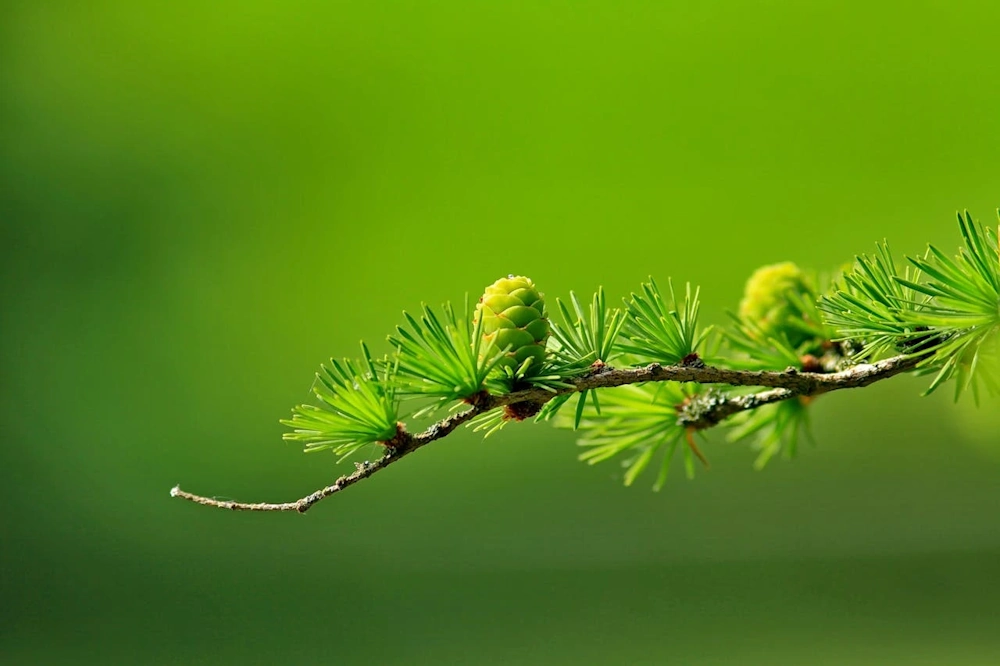
When we identify coniferous trees, we look first at their leaves (needles or scales), cones, and bark. These features help us tell apart the roughly 50 species that grow naturally or are naturalised across Britain.
We start by checking the needle shape and arrangement.
Next, we examine the cones. Most conifers have woody cones, but some, like juniper, produce berry-like cones. Others, such as larch, have small papery cones that stay on the branches through winter.
The bark texture also gives clues. Scots pine has orange-brown flaky bark, while spruce bark is thin and scaly. The shape of the tree, tall and straight or spreading, can narrow down the options further.
We can use a simple conifer species chart for quick reference:
| Species | Needle Length | Cone Type | Native Region |
|---|---|---|---|
| Scots Pine | 4–7 cm (in pairs) | Woody, oval | Native to Britain |
| Norway Spruce | 1–2.5 cm (single) | Cylindrical, woody | Northern Europe |
| Douglas Fir | 2–3 cm (single) | Woody, 3-lobed bracts | North America |
| Juniper | <1 cm (scales) | Berry-like | Native to Britain |
| Larch | 2–4 cm (clusters) | Small, papery | Europe and Asia |
By combining these traits, needle type, cone form, and bark pattern, we can confidently identify most conifer species in the field.
When we choose a coniferous tree, we start by thinking about space, soil, and sunlight. Conifers vary from tiny, slow-growing plants to towering trees that reach over 30 metres. Checking the mature size helps us avoid planting a tree that later outgrows its spot.
For small gardens, dwarf conifers such as Juniperus squamata ‘Blue Star’, dwarf pines, or compact podocarpus work well. They stay under 2 metres tall and bring texture and colour all year round. Their slow growth makes them easy to manage in pots, rockeries, or raised beds.
If we have more space, we can choose larger species like firs, spruces, or cedars. These trees form strong focal points and add structure to lawns or borders. Cedrus deodara and Abies koreana offer blue-green foliage and attractive cones, creating visual interest even in winter.
For privacy or wind protection, coniferous hedge trees such as Taxus baccata (yew) or Thuja plicata are reliable. Yew grows slowly but trims neatly, while Leyland cypress grows up to a metre per year, making it one of the fast-growing conifers for quick screening.
Cold regions benefit from cold-hardy conifers like Picea abies (Norway spruce) or Larix decidua (larch). These tolerate frost and poor weather better than many broadleaf trees.
| Garden Size | Recommended Conifers | Growth Rate | Notes |
|---|---|---|---|
| Small | Dwarf juniper, dwarf pine, podocarpus | Slow | Ideal for pots and rockeries |
| Medium | Korean fir, Lawson’s cypress | Moderate | Good for borders and structure |
| Large | Cedar, spruce, giant redwood | Fast to moderate | Best as specimen trees |
We keep our conifers healthy by focusing on soil, watering, and pruning. These evergreen trees prefer slightly acidic, well-drained sandy or loamy soil. Poor drainage can lead to root rot, so checking soil moisture regularly helps prevent problems.
Watering:
Feeding:
Applying a balanced, slow-release fertiliser in early spring supports steady growth. Some species, such as pine and spruce, also produce edible nuts like pine nuts, which form naturally when trees are well-nourished.
Pruning and Trimming:
We prune conifers to manage size and shape. Light trimming in late spring or early summer keeps hedges neat. Cutting into old wood can cause brown patches or slow regrowth, so we only remove dead or diseased branches.
Common Issues and Solutions
If your conifer shows browning needles, it’s likely due to over-pruning or drought. To fix this, water deeply and trim only lightly to encourage healthy regrowth.
When you notice sparse growth, the most common cause is a lack of light or nutrients. Try feeding your tree with a balanced fertiliser and thinning surrounding plants to let in more sunlight.
If your tree shows pest damage, the culprits are often aphids, scale, or mites. Treat the affected areas with a mild insecticidal soap to restore plant health.
Regular observation helps us catch issues early. With steady care, conifers stay green, strong, and long-lived; some species can thrive for hundreds or even thousands of years.
In several instances, conifers come to represent more than just trees. Across cultures, they represent longevity, endurance, and eternal life because they remain green all year. Their evergreen nature reminds us of life’s continuity, even in harsh winters.
In many traditions, evergreen symbolism connects directly to renewal and hope. Ancient Europeans decorated evergreen branches during winter festivals to mark the return of light. Later, this practice evolved into the modern Christmas tree, a conifer that symbolises life and faith through the darkest season.
In East Asian traditions, the pine tree’s meaning often relates to strength and persistence. Artists and poets have long used the pine as a metaphor for integrity that withstands adversity. Similarly, the Buddhist pine (Podocarpus macrophyllus) is valued in temples and gardens as a symbol of calmness and spiritual endurance.
We also use conifers in sacred and communal spaces. From temple courtyards to public parks, their tall, steady forms express peace and stability. Whether as festive evergreens or meditative garden trees, conifers quietly connect nature, culture, and human aspiration.
When we compare coniferous and deciduous trees, the first thing we notice is how they handle their leaves. Conifers, such as pine, spruce, and fir, keep their needle-like leaves all year. Deciduous trees, like oak or maple, have broad, flat leaves that fall each autumn to conserve energy and water.
| Feature | Coniferous Trees | Deciduous Trees |
|---|---|---|
| Leaf Type | Needle or scale-like | Broad and flat |
| Seasonal Change | Evergreen year-round | Shed leaves in autumn |
| Reproduction | Produce cones with seeds | Produce flowers and fruits |
| Common Species | Pine, spruce, fir, cedar | Oak, maple, birch, elm |
In terms of reproduction, conifers rely on cones instead of flowers. Their seeds develop inside woody or fleshy cones, while deciduous trees use flowers and fruits to spread seeds through wind or animals.
We also see a clear difference in seasonal behaviour. Conifers stay evergreen, providing constant greenery even in winter. Deciduous trees, on the other hand, change colour dramatically in autumn before dropping their leaves, creating the familiar seasonal contrast many of us enjoy in temperate climates.
Because of these traits, conifers often thrive in colder or drier regions, where retaining moisture matters. Deciduous species usually prefer temperate zones with distinct seasons, where shedding leaves helps them survive winter dormancy.
Start with the purpose. The same decision that applies to all evergreen trees applies here with even more force: a conifer chosen for hedging, bonsai, or wildlife planting requires completely different species, size, and growth-rate considerations. A Leyland Cypress planted for privacy in a small garden and a Juniperus procumbens chosen for bonsai are both conifers; they share almost nothing else in their care requirements or long-term development.
In our experience at Miyagi Bonsai, the most consistently underestimated conifer for UK growers is larch. As a garden tree, it provides year-round interest, fresh spring needles, full summer growth, vivid autumn gold, and an elegant bare branch structure in winter that most evergreen conifers cannot match. As a bonsai subject, larch is one of the most expressive and dramatic species available, developing powerful trunk flare and fine branching with patient cultivation. It is the one conifer that genuinely bridges both worlds.
Miyagi Bonsai stocks a carefully chosen range of coniferous trees and conifer bonsai, including Juniper, Japanese Black Pine, Scots Pine, larch, and Podocarpus specimens, alongside bonsai pots, training soil, and care accessories, with next working day UK delivery available on most orders. The products and recommendations in this guide reflect what we stock, use and see working for our customers every day. We are rated 5 stars across over 100 Google reviews, and our team is on hand by email and phone if you have any questions about conifer selection, garden planting, or bonsai development.
Coniferous trees usually have needle-like or scale-like leaves and produce woody cones instead of flowers. Most stay green all year, which helps them photosynthesise whenever sunlight is available.
They tend to have straight trunks, tapered crowns, and resinous wood that protects against insects and decay. Common examples include pine, spruce, fir, cedar, and larch.
We can identify conifers by looking closely at their needles, cones, bark, and overall shape.
Observing cone size, bark colour, and tree form helps confirm the species.
Only a few conifers are truly native to the UK. These include the Scots pine (Pinus sylvestris), yew (Taxus baccata), and juniper (Juniperus communis).
Others like Douglas fir, Norway spruce, and larch were introduced but now grow widely in managed forests. Some yews in Britain are over 900 years old, showing just how long-lived these trees can be.
Conifers prefer cool to temperate climates with well-drained soil and good sunlight. They grow best in high-latitude or mountainous regions, where winters are cold and summers mild.
We can also grow many species in gardens if we provide adequate moisture, space for roots, and protection from strong winds.
Conifers have several adaptations for survival in cold or dry areas. Their needle-shaped leaves reduce water loss, and the waxy coating protects against frost.
They keep their leaves year-round to make use of any available light. Their cone structure shields seeds from harsh weather and animals until conditions are right for release.
Coniferous wood is light, strong, and easy to work with. We use it for construction, paper-making, furniture, and fencing.
Their versatility and renewable nature make conifers a vital resource in forestry and industry.
Coniferous trees bear seeds in cones, retain needle-like leaves year-round, and are adapted to cold or dry climates. Deciduous trees produce flowers and fruit, grow broad, flat leaves, and shed them each autumn. The main practical difference: conifers provide year-round structure and screening; deciduous trees offer seasonal colour change and greater wildlife value. Larch is the main exception; a conifer that sheds its needles each autumn like a deciduous tree.
Juniper (Juniperus chinensis or procumbens ‘Nana’) is the most recommended starting species; compact, tolerant of wiring, and capable of dramatic deadwood development. Japanese Black Pine and Scots Pine develop impressive trunk taper and bark texture over time. Larch is the only deciduous conifer widely used in bonsai, valued for seasonal change and fine ramification. For UK indoor bonsai, Podocarpus macrophyllus var. maki is the most reliable conifer species.
Leyland Cypress is the fastest at 60–90 cm per year, but requires regular maintenance to prevent oversizing. Thuja plicata grows at 30–60 cm per year and is more manageable; it trims neatly and has aromatic foliage. Lawson’s Cypress grows at 20–40 cm per year and suits medium-height formal hedges. For a long-term, low-maintenance hedge, English Yew grows slowly at 20–30 cm per year but produces the most refined formal hedge available and lasts for centuries.
Yes, dwarf junipers, compact pine cultivars, Podocarpus macrophyllus var. maki, and dwarf spruce all grow well in containers long-term. Use free-draining, slightly acidic compost, repot every two to three years, and water more frequently than garden-planted specimens as pots dry out faster. Protect frost-sensitive species such as Podocarpus over winter. Bonsai is the most refined form of conifer container growing; the same principles of drainage, root management, and pruning apply.

