
Autumn is one of the best times to wire deciduous bonsai, because leaf drop reveals the full branch structure and lets you place wire accurately without foliage obscuring the lines.
Wire healthy deciduous trees after leaves fall, check for frost forecasts before bending thick branches, and monitor wire through winter so it does not mark the bark as growth resumes in spring.
You can wire most healthy deciduous bonsai in early to mid-autumn, provided you avoid severe frost and monitor the wire before it marks the bark. Pines and other conifers also suit autumn wiring, although they often need wire left in place longer.
Good bonsai cultivation starts with gentle bends, suitable wire thickness, and regular checks. You will learn which species respond well, how late-season cold affects wired branches, and when to wait until conditions improve.
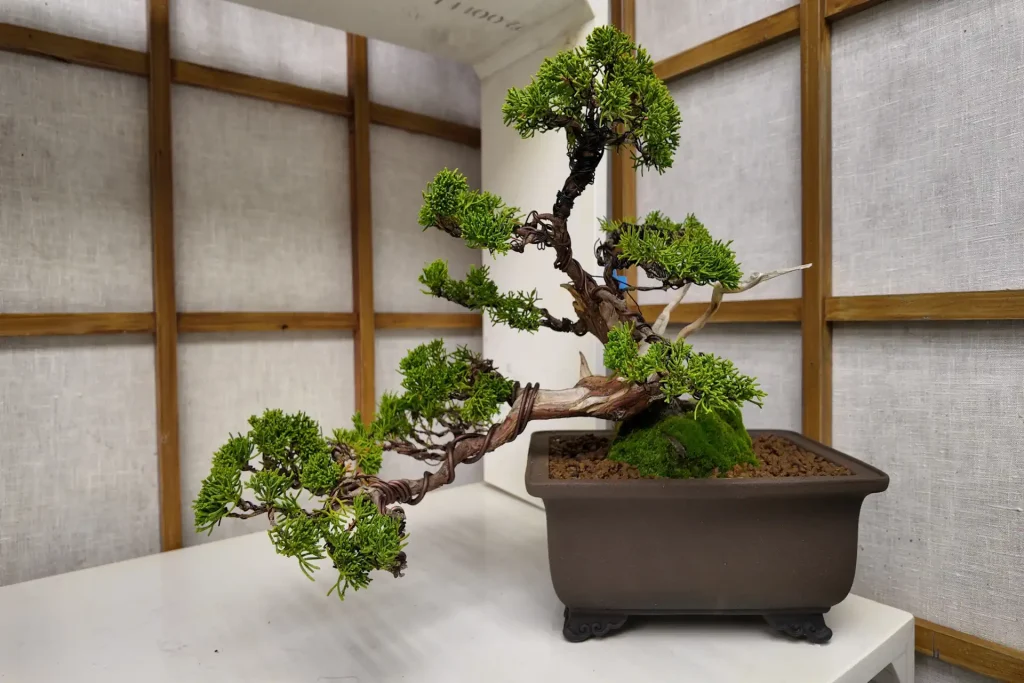
For deciduous trees, autumn becomes one of the best times to wire bonsai once the leaves have fallen. Without summer foliage, you can see the trunk line, branch spacing, and unwanted crossings clearly.
This makes it easier to place wire accurately and judge the silhouette from every angle. You are less likely to wire a branch that later proves hidden, poorly placed, or unnecessary.
In the UK, late autumn is often particularly useful because growth has slowed but many trees have not entered deep winter dormancy. The season’s shoots have also hardened, so they are less soft and easily damaged than fresh spring growth.
When deciding when to wire bonsai in the UK, look for these signs:
Deciduous branches can still thicken after wiring, especially during mild UK winters and the following spring. Check wire regularly, as it can mark the bark if left on too long.
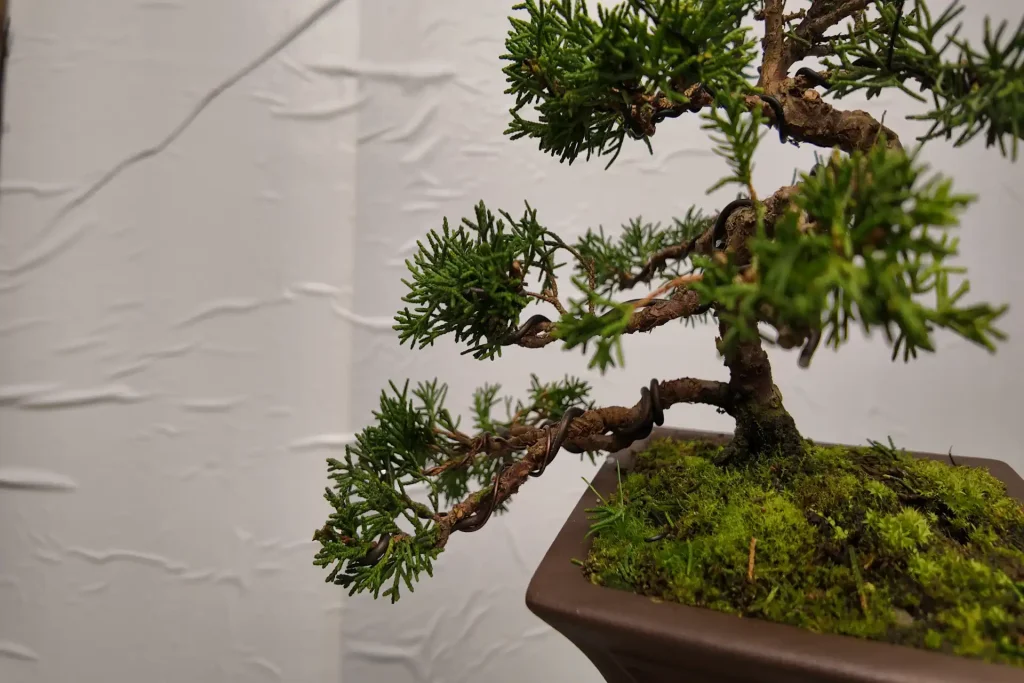
Not every bonsai responds equally well to autumn wiring. Choose healthy trees with flexible wood, and judge readiness by branch condition rather than the calendar alone.
Species | Autumn Wiring Suitability | Best Window | Key Risk | Wire Type |
Chinese elm | High | September to November | Wire bite in mild spells | Aluminium |
Trident maple | High | After leaf drop, October | Older wood can split | Aluminium |
Beech | Medium to high | After leaf drop, October to November | Bark marks easily in damp conditions | Light aluminium |
Hornbeam | Medium | October to November | Brittle in cold; check frequently | Light aluminium |
Juniper | Medium | September to October | Foliage pads hide wire placement | Copper or aluminium |
Scots pine | Medium | After candles harden, October | Resin flow slows in cold | Copper |
Japanese maple | Low to medium | After full leaf drop only | Thin bark marks quickly; avoid heavy bends | Light aluminium only |
Azalea | Low | Avoid in autumn | Delicate bark; cold increases snap risk | Wait until spring |
Ficus | Low | Year-round indoors only | Not applicable outdoors in UK autumn | Aluminium indoors |
You should usually avoid wiring trees that remain soft, stressed, or actively hardening off in late autumn. Conifers, including some pines and spruces, may need more time for new shoots and buds to mature before they tolerate significant bending.
Avoid or postpone wiring when you see any of the following:
Species with thin or delicate bark, such as Japanese Maple and Azalea, also need extra care in cool, wet autumn conditions. You can wire bonsai in autumn, but gentle shaping is often safer than heavy bending for these trees.
Check each tree before you begin. A healthy Chinese Elm may accept light wiring in late autumn, while a stressed tree of the same species should wait until it has recovered.
After leaf drop, you can see the full branch framework without foliage hiding faults. Use that clear view to choose the lines worth keeping, then wire bare branches with measured spacing and suitable support.
Start by viewing your bonsai from the front, then turn it slowly to inspect every angle. Without leaves, you can clearly see the trunk line, primary branches, and the smaller secondary branches that build each branch pad.
Look for branches that cross, run directly above one another, or compete for the same space. A leafed-out tree can look full and balanced while hiding two branches that will create congestion once winter arrives.
Before wiring, identify:
Mark your intended viewing front and decide which branch line leads the eye from the trunk towards each tip. You do not need to wire every bare twig. Wire the branches that establish the structure first, then use pruning for clearly unwanted growth.
Use aluminium wire for most bare deciduous bonsai. It is easier to apply and remove, which helps when thin bark makes wire marks more likely. Copper bonsai wire holds more strongly, but it is usually better suited to conifers and requires more care.
Choose a bonsai wire gauge that supports the branch without looking oversized. As a practical guide, aluminium wire should be about half the branch diameter, while copper wire can be closer to one third.
| Branch diameter | Aluminium wire | Copper wire |
|---|---|---|
| 3 mm | 1.5 mm | 1 mm |
| 5 mm | 2 mm | 1.5 mm |
| 8 mm | 3 mm | 2.5 mm |
Apply wire at roughly a 45-degree angle with even gaps between each wrap. Bare branches expose uneven coils immediately, so keep the wire neat and avoid crossing it over itself.
Check wired deciduous branches often during late winter and spring. Remove the wire by cutting each coil once it begins to press into the bark.
Bonsai wiring in autumn works best while branches still have some flexibility and the tree has time to adjust. If you wait too close to winter dormancy, colder weather can make wood stiffer and more likely to crack during bending.
This matters most when your local November work cutoff approaches. Your tree may have little time left to settle into its new position before growth stops.
Watch for these risks:
Wire bite is usually less immediate in late autumn than during summer wiring, when branches thicken quickly. However, inspect the tree whenever conditions allow. Remove wire promptly if it begins pressing into the bark, as wire scars can remain visible.
Use lighter bends late in autumn and avoid forcing thick or rigid branches. For major changes, wait until late winter or use protection such as raffia where appropriate.
When removing bonsai wire, cut each coil rather than unwinding it. Careful wire removal helps protect bark and reduces the chance of damaging the cambium.
You are wiring for the first time. Start with one or two flexible branches and make small changes towards your desired shape. Check the wire regularly, as it can mark bark when growth resumes.
Your bonsai is healthy and established. Early autumn can suit light wiring of many conifers and deciduous trees. Keep the work measured, especially if you also plan to prune; avoid removing more than 25% of foliage or branches in autumn.
You grow a Chinese elm or another deciduous bonsai. Wire pliable shoots while leaves still allow you to judge branch placement. Protect tree health by avoiding heavy bending on weak, recently repotted, or stressed trees.
You are unsure whether your species suits autumn wiring. Check its dormancy pattern and local first-frost date. Most repotting should be finished 8 to 12 weeks before the average first frost, so do not combine late root work with major wiring.
You missed the early-autumn window. Skip extensive shaping if cold weather is close. Remove any wire that is biting in, then plan more substantial wiring for late winter or the next suitable growth period.
In our experience, the most common autumn wiring mistake is treating leaf drop as a deadline rather than a starting point. Growers rush to wire everything at once while the structure is visible, then leave wire unchecked through winter because the tree looks dormant and stable.
That is when wire marks happen. The branches most worth wiring in autumn are the primary and secondary lines that define the silhouette; not every twig. Wire those deliberately, check them every few weeks through winter, and cut each coil as soon as it begins to press. The leafless window is genuinely useful, but it rewards methodical work over speed.
A common mistake is leaving bonsai wire on unchecked through autumn and into spring. Inspect it regularly, especially on vigorous trees, and cut each coil away rather than unwinding it.
Miyagi Bonsai stocks a range of bonsai trees alongside the wiring supplies you need for autumn shaping, including aluminium and copper wire in a range of gauges, wire cutters, guy wires and grafting tape. The products and recommendations in this guide reflect what we stock, use and see working for our customers every day. We are rated 5 stars across over 100 Google reviews, and our team is on hand by email and phone if you have any questions about choosing the right wire gauge or shaping your tree safely this autumn. Next working day UK delivery is available on most orders.
Check bonsai wire every 4 to 8 weeks, and remove or rewire it before it starts cutting into the bark. Fast-growing branches can thicken enough to scar within a couple of months, even in autumn when growth has slowed, so a regular check is safer than guessing. If you see the wire beginning to bite in, remove it immediately rather than waiting for the “ideal” moment.
Yes, but it’s easier and more accurate to wait until the leaves are down. Partial foliage can hide branch lines and crossing branches, making it harder to judge placement correctly. If a few stubborn leaves remain, it’s fine to start with the lower, clearer branches and finish the rest once the tree is fully bare.
Autumn wiring works well for most flowering and fruiting species once they’ve finished their display and entered dormancy, since wiring won’t disturb spent flowers or fruit. Avoid wiring while a tree is still actively flowering or holding fruit, as the extra handling can cause premature drop. Once the display has finished naturally, treat the tree the same as any other deciduous species going into the leafless window.

