
To protect your bonsai from autumn wind, you need to slow and diffuse gusts with partial barriers, secure trees firmly in their pots, and position them away from turbulent spots near low walls and fences.
Solid barriers often create stronger turbulence on the sheltered side, especially around structures under 3 metres high, so smart placement matters more than simply blocking the wind.
Autumn brings cooler air and shorter days, but wind becomes one of the biggest threats to your bonsai. As foliage thins and temperatures drop, strong gusts can dry out roots, scorch delicate leaves, and even topple trees in seconds.
You can reduce risk by studying wind direction in your garden, grouping pots during storms, watering before dry winds to add weight, and giving thin-leaved species such as Japanese maples extra cover. With the right setup, even gusts of 50 to 60 mph can cause far less damage.
New to bonsai? The most common mistake is assuming a fence or wall provides safe shelter. In practice, solid barriers under around three metres often make turbulence worse on the sheltered side. A sheltered spot near the house or behind established planting is usually safer than against a boundary fence.
Wind is often treated as a minor issue compared to frost, yet it can cause serious damage at temperatures well above freezing. In autumn, structural stress and moisture loss combine to increase bonsai autumn wind risk, even when your tree appears healthy and cold‑ready.
Frost damage happens inside the plant. When temperatures drop below freezing, ice crystals form within plant cells. These crystals rupture cell walls, which leads to blackened leaves, dieback, and soft tissue collapse.
Wind damage works in a completely different way. It acts through:
This means a tree protected from frost with fleece or placed against a wall may still suffer wind damage if exposed to strong gusts.
Frost is temperature-driven. Wind damage depends on exposure, positioning, and airflow patterns. A 15 to 20 mph gust in a typical enclosed garden can blow over small bonsai, especially if they sit near solid fences that create turbulence. Frost protection alone does not reduce this risk.
For effective bonsai wind protection in autumn, you must assess wind direction and shelter separately from cold protection.
The same wind speed can cause more damage in autumn than in summer. Your tree’s condition changes during this seasonal transition.
In summer, shoots are flexible and actively growing. Tissue contains more moisture, and branches bend more easily under pressure.
In early autumn:
That full canopy increases surface area. Leaves act like sails and create leverage on branches and the root system. A partially hardened shoot can snap more easily than a fully flexible summer shoot or a bare winter branch.
As a result, autumn storms often cause more branch breakage than winter winds on the same species. This is a key reason why autumn wind is more damaging than summer wind for bonsai.
When planning bonsai wind protection in autumn, think in terms of two types of wind damage: physical and desiccating.
1. Physical damage
This comes from direct force. You may see:
Conifers are at higher risk year round because they hold foliage. Deciduous trees face peak physical risk while still in leaf.
2. Desiccating damage
Wind also increases moisture loss from foliage and fine shoots. Moving air strips the boundary layer of humidity around leaves, which speeds up transpiration.
In warm, dry autumn winds:
Desiccation can weaken tissue before winter even begins. Combined with structural stress, this makes autumn wind one of the most overlooked but serious seasonal threats to your bonsai.
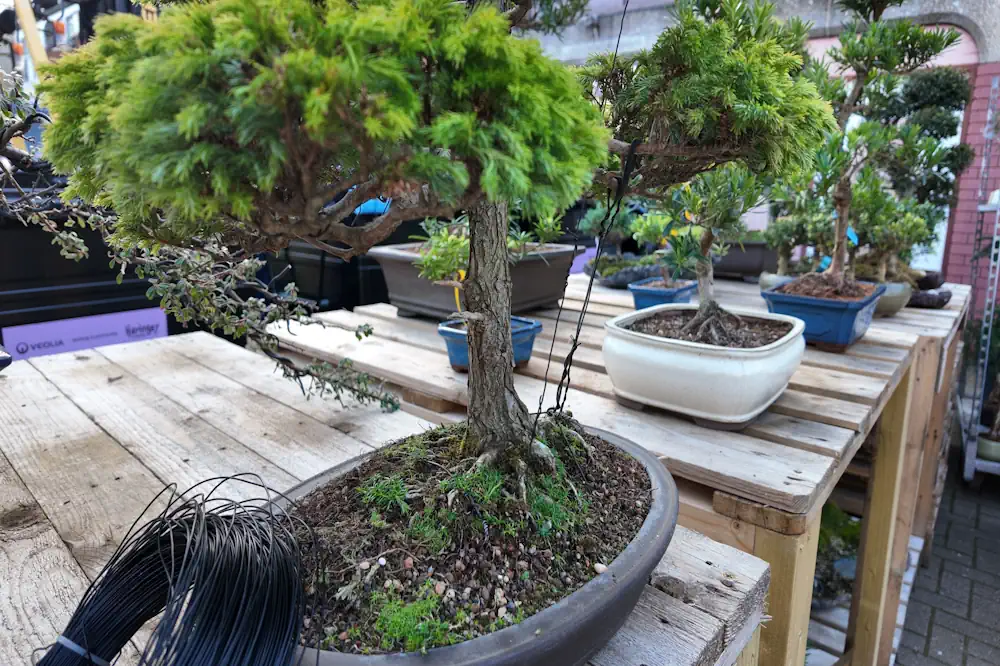
Strong gusts can snap branches, but bonsai wind desiccation in autumn often causes deeper and less visible damage. Moving air strips moisture from leaves and shoots, weakens tender growth, and makes early frosts far more destructive.
Every leaf holds a thin layer of still, moist air around its surface. This boundary layer slows water loss because it quickly becomes saturated with water vapour.
When wind blows, it removes that saturated layer and replaces it with drier air. This keeps the moisture gradient high, so water continues to move out of the leaf at a faster rate. The stronger the wind, the faster this cycle repeats.
In autumn, this effect intensifies:
Cold, dry winds common in UK autumn increase transpiration even when temperatures feel low. If roots cannot replace moisture quickly enough, foliage and young shoots begin to dry out. This is the core mechanism behind how wind accelerates moisture loss from leaves and shoots.
Autumn creates a risky transition phase for your bonsai. New shoots begin to harden, but they are not yet fully lignified.
At this stage:
This partial hardening makes shoots more vulnerable than either soft summer growth or fully dormant winter wood. Rapid moisture loss pulls water from already adjusting cells. They collapse more easily under stress.
You will notice:
This is a classic bonsai autumn wind risk. Watering alone will not reverse it because the damage occurs within the tissue structure, not just in the soil.
The combined effect of wind and early frost can escalate damage quickly. Wind lowers the effective temperature that plant tissue experiences, even if the measured air temperature sits just below zero.
Exposed benches, balconies, and open gardens feel colder because moving air strips heat from leaves and shoots. Tissue already dried by wind loses resilience and freezes more easily.
When frost follows desiccation:
Frost alone may damage tips. Wind plus frost often damages entire shoots. Positions that face prevailing winds and clear night skies carry the highest risk, especially for maples and other thin leaved species.
Reducing exposure in autumn protects not only against breakage, but against this less visible and often more damaging process.
Strong autumn wind causes direct mechanical stress to your bonsai. It bends branches, shifts pots, and loosens roots in ways that can affect structure and health long after the storm has passed.
In early to mid-autumn, many deciduous bonsai still carry a full canopy. That leaf load increases surface area and wind resistance compared to a bare winter tree.
When gusts hit, the leaves act like sails. The force transfers down into branch junctions and trunks. This leverage places strain on:
Branch and fine twig damage from strong wind often affects the most refined work. Delicate twigs developed over several seasons can snap in a single storm. Once lost, they take years to rebuild.
Recently wired branches face higher risk. Wire restricts natural flex, so the branch cannot move freely to dissipate force. Instead, stress concentrates at one point. After an autumn storm, you may see:
This type of bonsai physical wind damage disrupts both design and long term structure.
Bonsai pot stability in wind becomes a serious issue in autumn. Most bonsai sit in shallow containers with limited weight and anchorage.
If your tree has a well-developed canopy, the centre of gravity sits high. Adding full foliage and wind resistance increases sharply compared to winter. A strong gust can tip the entire composition.
When a pot topples, the consequences go beyond inconvenience:
Even one fall can undo years of careful development.
You reduce risk by taking simple steps:
These measures form a core part of bonsai wind protection autumn planning.
Not all wind damage looks dramatic. Root disturbance from repeated wind movement often causes slower, cumulative harm.
If your pot rocks slightly in every gust, the root ball shifts back and forth. Over time this movement:
Fine feeder roots handle most water uptake. When they tear, your tree struggles to hydrate even if you water correctly. Air gaps also dry out faster, especially in cool, breezy autumn weather.
You might notice yellowing leaves, reduced vigour, or unexpected stress. The canopy damage may seem minor, yet the roots have absorbed repeated strain.
Securing the pot and limiting rocking protects the hidden half of your bonsai just as much as shielding the branches.
Not all bonsai respond to autumn wind in the same way. Leaf texture, branch structure, root stability, and pot size all affect how much damage a single storm can cause.
| Species | Risk Level | Primary Threat | Key Protection Step |
|---|---|---|---|
| Japanese maple | High | Leaf scorch, twig snap, early leaf drop | Shelter from prevailing wind before October |
| Hornbeam | High | Fine ramification damage, sail effect | Group with other trees during storms |
| Beech | High | Branch leverage, twig loss | Move away from wind tunnels and fence edges |
| Chinese elm | Medium | Desiccation, pot instability | Secure pot, water before forecast winds |
| Juniper | Low to medium | Desiccation in drying winds, root rock | Check pot stability, ensure drainage clear |
| Scots pine | Low to medium | Root disturbance in sustained winds | Use heavier pot or bench ties in exposed spots |
| Ficus (indoor) | Low to medium during transition | Desiccation and pot toppling if still outside in September | Move indoors before consistent 10°C nights; wind risk applies during the outdoor-to-indoor transition period |
If you grow Japanese maple, you already know how delicate it is in autumn. This species faces the highest risk of Japanese maple wind damage in autumn for several clear reasons.
Strong autumn winds can dry foliage fast, leading to leaf scorch or early leaf drop. You may lose the peak colour display before it fully develops.
Japanese maples also develop fine, brittle twigs. Under wind load, these slender branches can snap rather than bend. Once you have spent years building fine ramification, a single storm can undo careful shaping.
Positioning matters. Sheltering your maple from prevailing autumn winds is one of the most important bonsai wind protection autumn decisions you make each year.
Any deciduous species with refined tertiary branching carries higher wind risk. This includes hornbeam, beech, and well-developed maples.
Fine ramification means:
That dense canopy acts like a sail. Wind pressure spreads across hundreds of tiny branch tips. Even if leaves have started to fall, the twig structure still catches gusts.
For trees at intermediate or advanced stages of development, damage matters more. You have invested multiple seasons in building balanced, detailed structure. A broken branch is not just cosmetic. It can disrupt design and taper.
Younger deciduous trees with coarse structure tolerate minor loss better. In contrast, deciduous species with fine ramification wind risk increases as refinement improves. The more detailed the branching, the more carefully you should manage autumn exposure.
Young trees often sit in small, shallow pots. Their root systems are still developing, which makes them less stable in strong wind.
Common risks include:
Recently wired branches add another layer of vulnerability. Wire restricts natural movement. Instead of flexing freely, the branch absorbs stress at specific contact points.
In strong gusts, this can lead to:
After any significant autumn wind event, inspect wired trees closely. Check wire tension and look for movement in the root ball. Young trees and recently wired branches require more frequent monitoring than established, unwired specimens.
Some species handle autumn wind with fewer problems. Established junipers and pines generally show strong natural resistance.
Their advantages include:
Needles do not act like broad deciduous leaves, so they create less resistance. Mature conifers also tend to develop firm root systems that anchor well in the pot.
Pot size also matters. A compact juniper in a heavier container presents far less risk than a tall deciduous tree in a shallow display pot.
When choosing species that tolerate wind well, established conifers usually rank higher than delicate-leaved deciduous trees. Matching species choice with your garden’s exposure reduces how much intervention you need each autumn.

Start by observing real wind, not just maps or forecasts. You need to know where it comes from, how it moves through your space, and whether your current bonsai positioning offers real autumn wind shelter.
Begin during a windy day in early autumn. Stand where your bonsai sit and note the direction the strongest gusts arrive from.
In much of England and Wales, the most damaging autumn and winter winds often come from the south-west. In northern regions, exposure can be more variable, so you need to observe your specific site.
Look for clear signs:
Next, assess existing shelter. Solid brick walls block wind but can create turbulence at the edges. Hedges and slatted fences slow wind more evenly and often provide better bonsai wind shelter in autumn.
If wind hits your trees directly with no barrier from the prevailing direction, you have high exposure. If structures or planting break up gusts before they reach your benches, your positioning may already provide useful protection.
Wind rarely moves evenly through a garden. It accelerates when forced through narrow gaps.
Check for:
These areas can create wind tunnel effects, where local wind speed feels much stronger than in open ground. Even moderate regional wind can become forceful in these channels.
Also inspect corners of buildings and walls. Wind hitting a solid surface spills around the edge and creates turbulent air. This swirling movement can snap small branches or rock shallow pots more than steady wind would.
During gusty weather, watch how your bonsai react. If foliage whips in multiple directions or pots visibly shift while nearby areas stay calmer, you are likely dealing with funnelling or turbulence.
Recognising wind tunnel and funnelling effects helps you avoid placing trees in spots that look sheltered but actually amplify wind stress.
Use a simple decision check. Your current position is usually acceptable if:
You should consider moving bonsai if you notice:
Autumn bonsai positioning for wind protection often means shifting trees closer to a wall, grouping them together so they buffer each other, or lowering them from high benches to ground level.
If your trees stay upright and undamaged through typical seasonal gales, your setup is working. If not, relocation before winter storms arrive will reduce risk and prevent avoidable damage.
Strong autumn winds in the UK can snap branches, strip leaves and blow pots off benches. You protect your bonsai most effectively by improving shelter, reducing wind speed and physically securing vulnerable trees. The methods below reflect what we recommend and use ourselves across our growing stock each autumn.
If you ask, how do I protect my bonsai from wind in autumn, start by moving them.
Repositioning to a naturally sheltered spot is the most effective and lowest cost solution for protecting bonsai from wind UK conditions bring. You simply reduce exposure rather than trying to fight the wind.
Look for shelter on the windward side of your garden:
Avoid placing trees directly against low solid fences or walls under 3 metres high where turbulence can increase on the lee side. Larger structures such as a house usually create higher, less damaging airflow.
Balance shelter with light. In autumn, deciduous trees still need good light for strong colour and healthy energy storage before winter. Do not move them into deep shade just to block wind. Choose spots that cut direct gusts but still receive several hours of daylight.
If you cannot move your trees, install a bonsai wind break for autumn.
Use windbreak mesh or netting, not solid panels. A partial barrier slows wind while allowing air to pass through, which reduces speed without creating turbulence.
Position the screen on the windward side only.
Do not box trees in on all sides. Good airflow reduces fungal problems during damp UK autumn weather.
For practical use:
Place the barrier a short distance upwind of your benches rather than touching the pots. This spreads the force before it reaches the trees.
Autumn wind often causes more damage by toppling pots than by breaking branches.
Start by assessing risk. Trees most likely to fall over include:
To improve stability:
Watering before strong winds also increases pot weight, which lowers the risk of toppling.
For very tall trees, consider slightly lowering their position on a bench or using discreet wedges under pot feet to improve balance without affecting drainage.
You can reduce wind speed by using what already exists in your garden.
Place bonsai behind:
A thick hedge or dense tree can reduce wind speed for a distance many times its height. This makes established planting one of the most effective long term buffers.
You do not need to install a dedicated structure if smart positioning achieves the same effect. Move exposed trees into layered planting areas where wind loses force before it reaches them.
This approach works especially well in small UK gardens surrounded by fencing on three sides, where gusts of 15 to 20 mph can regularly blow over unsecured bonsai.

In autumn, bonsai wind protection is not about blocking all wind. You need to slow damaging gusts while keeping strong light and steady air movement around your trees.
You might ask, should I move my bonsai to a sheltered position in autumn? Yes, but not into a fully enclosed, still corner.
Complete shelter removes wind risk, yet it also reduces light. In early to mid autumn, your bonsai still rely on sunlight for:
If you tuck trees behind solid walls or deep inside sheds, light levels drop. Weaker light can dull leaf colour and limit energy stored in the roots for winter.
Still air also increases humidity around foliage. In autumn, that creates ideal conditions for fungal issues such as powdery mildew and leaf spot. Without gentle air movement, moisture lingers on leaves for longer, especially after rain or morning dew.
The goal of how to provide wind protection without sacrificing light is simple: reduce wind speed, not eliminate it.
Use permeable barriers such as windbreak mesh, bamboo screening, or trellis panels. These slow gusts while allowing light and air through. A dense hedge can also reduce wind speed for a distance many times its height while keeping the area bright.
Position trees:
Give them open sky above and filtered protection at the sides.
During forecast storms of 40 to 60 mph, move trees temporarily into a safer spot. Return them to normal exposure once conditions calm so they continue to receive full light.
The importance of air movement for disease prevention becomes clear in damp autumn weather.
Gentle airflow:
Stagnant air does the opposite. Enclosed patios, tight corners, and plastic covers trap moisture. That environment encourages common autumn diseases, especially on deciduous species that already have thinning foliage.
You want protection from damaging wind speeds, not from all air movement. A light, steady breeze keeps foliage dry and healthy while your wind protection measures guard against structural damage and pots blowing over.
Your bonsai wind protection in autumn focuses on leaf damage and dehydration. Once leaves fall and trees enter dormancy, the risk changes.
Deciduous trees lose much of their sail area. With a lighter canopy, physical wind damage drops, and desiccation risk reduces significantly. However, wind and frost combined in the UK can still chill dormant buds and fine twigs during very cold nights.
In winter, the main concern shifts:
So ask yourself again, do bonsai need wind protection in winter? Yes, but it becomes more targeted. You move from broad windbreaks to shielding the most exposed foliage and pots.
At the start of winter, review your layout. Late October or early November works well in the UK, once leaves have fully dropped, and you can see true exposure.
Check:
This small repositioning step strengthens your wider plan for protecting bonsai from wind in UK conditions.
For full seasonal planning, review your positioning once leaves have fully dropped and confirm frost protection is in place before temperatures approach freezing.
In our experience, the most common autumn wind mistake is assuming a fence or wall solves the problem. Growers move trees against the boundary, feel reassured, and then find snapped twigs and toppled pots after the first serious gust.
Solid barriers under three metres create turbulence on the lee side; the sheltered side often experiences more chaotic airflow than open ground. The trees that come through autumn storms best are grouped together in the middle of a bench, positioned behind established planting or a larger structure, and watered before forecast winds to add weight.
None of those steps cost anything. They just require observing where the wind actually moves in your space, rather than where it looks like it should be blocked.
Miyagi Bonsai stocks a carefully chosen range of supplies to help protect your bonsai through autumn and winter, including frost and insect protection fleece, windbreak materials, and securing ties for vulnerable pots and exposed positions, with next working day UK delivery available on most orders. The products and recommendations in this guide reflect what we stock, use, and see working for our customers every day. We are rated 5 stars across over 100 Google reviews, and our team is on hand by email and phone if you have any questions about wind protection, species vulnerability, or preparing your bonsai for winter.
Yes, but the risk changes. Without foliage, physical damage and desiccation drop significantly for deciduous species. The main concern shifts to conifers, which continue losing moisture through needles in drying winds, and to wind chill intensifying frost damage on exposed roots in shallow pots. A full windbreak becomes less critical, but reviewing which trees sit in open wind corridors in late October or early November is still worthwhile. A small repositioning can make a meaningful difference through the coldest months.
Cold, dry wind is usually the cause. Moving air strips the thin layer of moist air around leaves and shoots, which speeds up moisture loss even when temperatures feel low. Autumn air in the UK often drops in humidity during clear, cold spells, and smaller bonsai containers have limited water reserves to compensate. If your tree is sitting in an exposed spot or near a wind funnel such as a gap between buildings, it will dry faster than expected. Watering before strong winds and moving the tree to a more sheltered position will both help.
Solid barriers are generally less effective than you would expect and can make things worse. A wall or close-boarded fence under around three metres creates turbulence on the sheltered side, which can rock pots and stress branches more than open exposure would. Permeable barriers such as windbreak mesh, bamboo screening, or a dense hedge slow wind more evenly without generating that turbulence. If a wall or fence is your only option, position your trees a short distance away from it rather than directly against it.

