
Autumn bonsai care means preparing your trees for the shift from active summer growth into winter dormancy. Cooler temperatures, shorter days, and slower water uptake require changes to feeding, watering, pruning, and positioning so your bonsai enters winter strong and stable.
An autumn bonsai checklist helps you time pruning, reduce watering, switch to low-nitrogen fertiliser, and inspect for pests before dormancy begins.
Instead of guessing what to do in September, October, or November, you follow a clear set of actions that match the tree’s natural cycle.
Autumn changes everything for your bonsai. Growth slows, temperatures drop, and your tree starts storing energy for winter. If you adjust your care now, you protect roots, strengthen structure, and reduce the risk of dieback and disease.
You will learn what to cut, when to stop feeding, how often to water as evaporation drops, and how to position bonsai in autumn for enough light without frost damage. A simple checklist keeps you consistent and prevents common cold season mistakes.
This guide draws on established UK bonsai practice and is written for growers managing temperate, conifer, and tropical species in British growing conditions. Whether you are caring for your first outdoor tree or working through an established collection, the checklist applies across experience levels.
Quick Autumn Recommendations
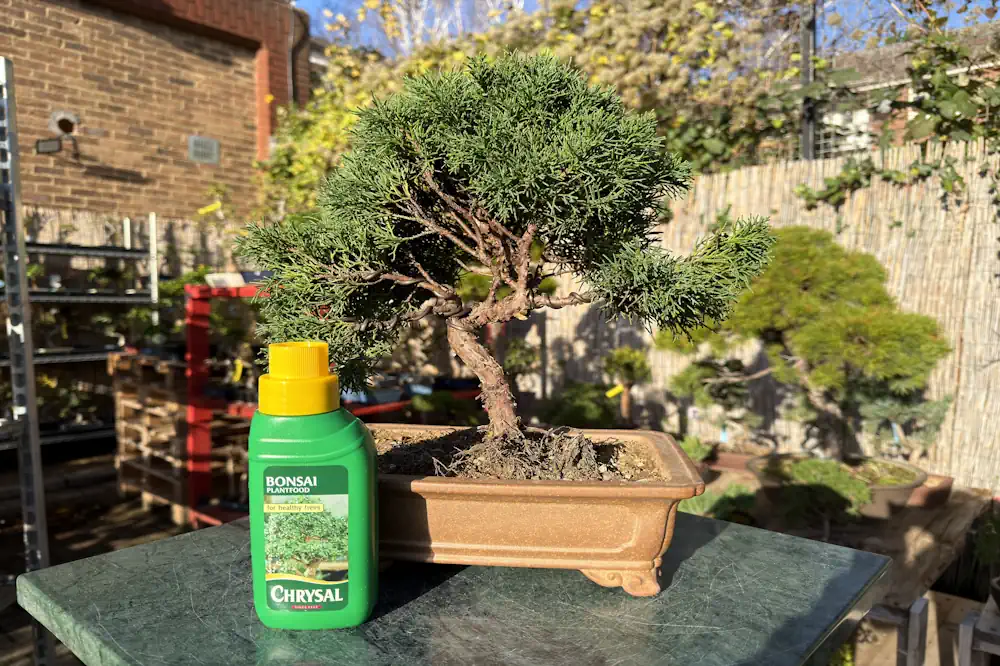
Use this autumn bonsai checklist as a working document, not a one‑day task list. Move through it steadily from late summer into mid‑autumn so your tree enters dormancy with strong roots, balanced growth, and no hidden problems.
Start in late August or early September, even if your trees still look fully in summer growth. Do not wait for leaves to change colour or temperatures to drop sharply.
Autumn preparation works best when you spread tasks across September and October, not all at once. For example:
This approach forms your practical bonsai checklist before dormancy.
Start autumn preparation when you notice:
How This Checklist Fits Into the Other Autumn Guides
| Post | Purpose | Focus |
|---|---|---|
| September Monthly Guide | Week‑by‑week observation | Watering, feeding, growth changes |
| Autumn Preparation Guide | Seasonal biology & timing | Why changes happen |
| This Checklist | Action‑only task list | What to do and when |
If you wait until November, you risk slow wound healing, weak root reserves, and missed pest issues.
Your location changes timing. In the UK, growers in Scotland and northern England should start two to three weeks earlier than those in the South due to earlier temperature drops.
If night temperatures fall below 15°C, stop feeding outdoor temperate species. Roots slow down and nutrient uptake declines.
Species also matter:
Check the species specific section at the end of this post for detailed adjustments. Use the core autumn bonsai checklist as your base, then fine tune timing and intensity to match your tree and climate.
Autumn bonsai checklist tasks should focus on slowing growth, hardening shoots, and preparing roots for dormancy. You will shift from growth feeding to storage feeding, then stop altogether as the tree enters its resting phase.
As part of your bonsai feeding stop autumn plan, act as soon as active growth slows.
Check for these signs before switching:
Use a fertiliser with a lower first number in the NPK ratio. For example, move from a 10-6-6 type formula to something closer to 5-10-10 or similar, where potassium and phosphorus clearly outweigh nitrogen.
This step supports proper bonsai pre-dormancy care. You want steady energy storage, not fresh growth that cold weather will damage.
Now plan your final low nitrogen feed timing carefully.
Action: Apply a last low-nitrogen, higher potassium feed in mid-September for most temperate outdoor species.
Indoor tropical species: Feed lightly until early October.
Why: Potassium supports shoot hardening and helps the tree store carbohydrates in roots, trunk, and branches.
Apply at normal strength unless the tree is weak, in which case use half strength. Avoid overfeeding.
Keep this final feed simple:
This feed prepares the tree for winter dormancy rather than pushing visible growth.
You must know when to stop feeding bonsai entirely, not just reduce it.
Action: Stop all fertiliser when growth has fully ceased and the tree drinks much less water than in summer.
Typical timing:
Why: Feeding a tree that has stopped growing leaves unused salts in the soil and offers no benefit.
Use this quick reference table:
| Species Group | Stop Feeding By |
|---|---|
| Deciduous outdoor bonsai | Mid to late September |
| Conifers | Late September |
| Indoor tropical species | November |
Once feeding stops, focus on watering control and frost protection. This completes the feeding stage of your autumn bonsai checklist and supports a clean transition into dormancy.
As temperatures fall and growth slows, your watering routine must change with it. Focus on soil moisture, drainage, and early signs of waterlogging so your bonsai enters winter with healthy roots.
In your bonsai watering autumn checklist, the first action is simple. Whether you are managing one tree or a full bench, the principle is the same:
In July, you may have watered every day. By late September, that same tree might only need water every three days because uptake drops as temperatures fall and growth slows.
Push a finger 2 to 3 cm into the soil. Water only when it begins to dry at that depth. If the surface looks dry but the lower layer feels moist, wait.
Recalibrate watering frequency in autumn gradually. Reduce frequency as soon as you notice shorter daylight hours and slower shoot growth. This keeps roots oxygenated and lowers the risk of rot before winter.
Signs watering frequency should reduce:
Wetter weather makes drainage checks essential in your autumn bonsai checklist.
Water should flow freely from the holes within seconds of thorough watering. If it pools on the surface, the top layer may have compacted.
Also check that moss has not formed a dense mat that prevents evaporation. Good drainage before winter reduces the chance of saturated soil during prolonged autumn rain.
If soil remains wet for more than three days between waterings in September, act quickly.
Persistently wet soil in autumn creates ideal conditions for root rot during cold months. Roots need oxygen as much as moisture.
If the mix feels heavy and dense, consider planning a repot in early spring. For now, reduce watering and ensure excess water drains completely each time you irrigate.

Autumn is your last safe window to tidy structure without pushing soft growth. Focus on finishing light trimming, capturing clear structural photos, and writing precise spring notes while everything is fresh in your mind.
Finish all light maintenance pruning by mid-September at the latest.
Remove crossing shoots, thin crowded tips, and cut out any dead or damaged material. Tidy the silhouette so the outline looks clean from all angles.
Keep this work light. Do not shorten major branches or attempt heavy structural changes now.
Avoid stimulating late growth.
Pruning after mid September can trigger new shoots that will not harden before frost. In the UK, this is especially important as night temperatures can drop quickly from October onwards.
Use clean tools and clear cuts.
Make sharp, precise cuts and remove debris from the soil surface.
If you are unsure about exact timing, review your August pruning timing guidance and adjust for your local climate. This step keeps your autumn bonsai checklist practical and seasonally safe.
Photograph deciduous trees in September while they still carry foliage.
Capture front, sides, and rear views. Include a close-up of the canopy and trunk line.
Photograph again after leaf drop.
The bare winter silhouette reveals branch placement, taper, and gaps that foliage hides.
This before and after comparison is one of the most useful bonsai autumn tasks UK growers overlook. The shift from full leaf to bare structure highlights:
Store images with each tree’s record. You will refer to them repeatedly when planning note spring pruning priorities.
Write clear notes during your structural review.
Do this while the tree stands in front of you, not from memory months later.
Record specific actions.
For example:
Autumn observations are more accurate because you can still compare foliage density with branch structure. By spring, you will forget small imbalances.
Keep these notes with your feeding and repotting records. A written plan turns your autumn bonsai checklist into a working document rather than a vague intention.
Before your trees enter dormancy, complete a focused bonsai pest check before winter. Inspect thoroughly in early to mid September while leaves are still present and pests remain active, then act quickly on anything you find.
Carry out a full pest inspection in autumn on every tree, not just the ones that look weak. Problems often hide in small areas.
Leaf undersides
Check for spider mites and scale insects. Look for fine webbing, pale speckling, or tiny brown or white bumps attached to veins.
Stems and branch junctions
Examine tight crotches and bark crevices for scale. Run your fingernail lightly over bumps to see if they lift.
Soil surface
Look for vine weevil activity such as notched leaf edges or disturbed compost. Remove the top 2 to 3 cm of soil if you suspect larvae.
Unusual foliage discolouration
Yellowing patches, black spots, or powdery coatings may signal early fungal disease.
Work methodically. Inspect from canopy to pot. This simple habit strengthens your entire autumn bonsai checklist.
Act on confirmed infestations while temperatures remain mild. Many treatment actions appropriate in autumn still work well in September.
Spider mites
Spray with insecticidal soap or neem oil, covering leaf undersides fully. Repeat every 7 days for three weeks to break the life cycle. See your dedicated spider mite guide for full instructions.
Scale insects
Dab individual insects with 70 percent rubbing alcohol using a cotton bud. For heavier infestations, use a suitable insecticide labelled for bonsai.
General rule
Treat only confirmed pests. Avoid broad spraying “just in case”.
Pests left in place will overwinter on bark and buds. They often return in greater numbers in spring, which makes early action far easier than cure.
Include specific disease checks for bonsai in autumn before leaves fall.
Powdery mildew
Look for white or grey powder on leaves and young shoots.
Leaf spot and rust
Identify black, brown, or orange spots that may enlarge or merge.
Unusual dieback or soft tissue
This can point to more serious fungal issues.
If you find infected leaves, remove them immediately and dispose of them away from your growing area. Do not compost them.
Then improve airflow by thinning dense growth lightly and spacing trees apart. If needed, apply a copper based fungicide according to label instructions.
Reducing fungal load before winter limits spread to dormant buds and lowers the risk of problems reappearing in spring.

A thorough bonsai health check before dormancy helps you spot root and soil problems while there is still time to plan. Focus on pot weight, root emergence, and soil condition so your autumn bonsai checklist covers what happens below the surface, not just the canopy.
Do this in early September, before growth has fully stopped.
Lift each pot and compare the weight to how it feels just after watering.
Inspect drainage holes carefully.
Check the pot sides.
Root emergence often signals rootbinding. This does not mean you repot now, but it does mean you flag the tree for spring action.
Next, carry out a focused soil condition assessment in autumn.
Water each tree and observe drainage.
Check for hydrophobic soil.
Inspect the surface layer.
Identifying soil problems now gives you options. You can improve surface drainage immediately or plan a structured repot in spring instead of reacting in March.
Now turn your observations into a written action list.
Create a simple notebook or spreadsheet entry.
Rank urgency clearly:
A list made in September, based on direct inspection, is far more reliable than memory in spring. Use it alongside your guides on repotting timing and late summer repotting to plan the exact window for each tree.
Autumn is when you decide which trees stay outside, which need shelter, and which must come indoors. A clear bonsai positioning autumn checklist prevents frost damage and sets up smooth bonsai winter preparation UK.
Start in September, before the first frost risk.
Categorise every tree by frost tolerance:
Label benches or pots so you can see at a glance which group each tree belongs to.
Check local minimum temperatures from previous winters to guide placement decisions.
This simple categorisation step is the foundation of effective bonsai frost protection autumn. It also prevents last minute panic when a cold snap is forecast.
Act before temperatures force your hand.
Move all tender tropical species indoors when overnight temperatures consistently fall below 10°C. In most UK regions, this happens between September and early October.
Place semi hardy species in a sheltered spot, cold frame, or unheated greenhouse before hard frosts below -5°C are forecast.
Keep hardy outdoor trees outside, but:
A single unexpected frost can cause severe and often irreversible damage to an unprotected tropical bonsai. Moving trees early is safer than reacting after leaf blackening or dieback appears.
Light levels drop sharply from October to February. Window positions that worked in summer may not work now.
Move indoor bonsai closer to south facing windows to maximise daylight.
Check whether each tree still receives enough direct or bright indirect light during shorter days.
Identify any trees that need supplemental lighting and install grow lights before growth weakens. See your winter light requirements guide and best grow lights guide for detailed setups.
Rotate pots weekly to prevent leaning towards the light.
This indoor bonsai light adjustment winter step keeps growth compact and prevents weak, stretched shoots during the darkest months.
Your autumn bonsai checklist should shift slightly depending on species. Deciduous trees focus on leaf drop and frost timing, conifers need steady outdoor care, and indoor tropical species require careful temperature and light adjustments.
Use this deciduous bonsai checklist autumn guide for Japanese maple, Chinese elm, beech, and hornbeam.
Stop feeding early for Japanese maple
Cease fertiliser by late September. Maples are sensitive and should be the first to stop feeding.
Chinese elm, beech, and hornbeam can continue low-nitrogen feed until early October.
Switch to low nitrogen only
Use a 5-10-10 or similar formula in early autumn. Stop completely once night temperatures drop below 10–12°C.
Time structural assessment after leaf fall
Inspect branch structure once leaves drop in October or November.
Carry out light structural pruning before hard frost arrives.
Frost protection thresholds
Protect Japanese maple roots below 2–3°C.
Chinese elm tolerates slightly lower temperatures but still protect pots once frost is forecast.
Use ground placement, cold frames, or fleece. Avoid heated rooms.
Remove fallen leaves promptly
This reduces fungal spores and overwintering pests.
This conifer checklist autumn applies mainly to juniper and pine.
Keep junipers outdoors at all times
Do not bring them indoors for winter, regardless of temperature. They require natural dormancy.
Reduce watering gradually from mid-autumn
Allow the top layer of soil to dry slightly between waterings.
Avoid waterlogged soil as evaporation slows.
Stop feeding by early October
Use low nitrogen fertiliser only in early autumn. Stop completely before consistent cold sets in.
Check for pests thoroughly
Inspect for spider mites and scale along inner foliage and bark crevices.
Treat before winter, as pests overwinter in dense foliage.
Position for winter
Shelter from strong wind.
Protect pots from repeated freeze and thaw cycles, especially below -5°C.
Avoid heavy pruning
Limit work to light thinning and removal of weak growth.
Follow this indoor tropical species autumn checklist for ficus, carmona, serissa, and similar trees.
Bring indoors before temperatures fall below 12–15°C
Move them inside early. Do not wait for cold nights.
Increase light immediately
Place in the brightest window available, ideally south-facing.
Consider a grow light for 10–12 hours daily once daylight shortens.
Reduce feeding from October
Feed at half strength once monthly.
Stop completely if growth slows significantly.
Adjust watering carefully
Water less often than in summer, but do not allow the root ball to dry fully.
Check soil moisture with your finger before watering.
Avoid radiators and heated rooms
Keep away from central heating and dry air.
Aim for steady temperatures around 15–20°C with good humidity.
Monitor for indoor pests
Watch for scale and spider mites after moving indoors.
Use this autumn bonsai checklist as a quick reference before dormancy. It works as a practical bonsai checklist before dormancy and suits most climates, including an autumn bonsai care checklist UK setup.
Print it and tick each box as you go.
Work through this bonsai autumn preparation checklist gradually from early September. Each task builds a clear picture of what you need to do to your bonsai before winter.
In our experience, the most common autumn checklist mistake is starting too late and compressing everything into October. Growers who wait until leaves are falling often miss the feeding window, carry out light pruning too close to the first frost, and discover pest issues that have already been present for weeks.
The checklist works because it spreads small actions across September and October rather than demanding a single day of attention. Start in late August, move through it gradually, and the tasks become routine rather than remedial.
Miyagi Bonsai stocks a carefully chosen range of bonsai trees and autumn care supplies, including low-nitrogen fertilisers, specialist bonsai soils, frost protection fleece, and ceramic pots, with next working day UK delivery available on most orders. We are rated 5 stars across over 100 Google reviews, and our team is on hand by email and phone if you have any questions about autumn preparation or winter protection.
Roots enter winter without adequate energy reserves, making the tree more vulnerable to dieback, frost damage, and disease. Problems that could have been caught in September; compacted soil, pest infestations, poor drainage, sit unaddressed through the coldest months and often resurface as serious issues in spring.
Feeding and watering adjustments should come first because they affect everything else. Pruning, pest checks, and positioning decisions can follow in parallel. The one fixed sequence is: adjust feeding before you assess structure, and complete pest treatment before temperatures drop too low for treatments to work effectively.

