
Good summer care means watering thoroughly, often daily, giving morning sun with afternoon shade, feeding regularly during active growth, and avoiding heavy pruning or repotting in extreme heat. When temperatures rise, your tree uses more water, grows faster, and shows stress quickly if you miss the signs.
Summer can strengthen your bonsai or push it into stress. Hot sun, fast growth, dry soil, and active pests all collide in a few short months. If you adjust your care now, you protect months or even years of careful training.
You do not need complicated techniques. You need close observation, timely watering, balanced feeding, and species‑specific adjustments for deciduous, conifer, or tropical bonsai. Get these right, and you keep growth strong without sacrificing shape or health.
Beginners managing their first UK summer with a bonsai:
Outdoor deciduous species growers (Maple, Elm, Hornbeam, Larch):
Outdoor conifer growers (Juniper, Pine):
Indoor tropical species growers (Ficus, Carmona, Serissa):
Growers managing their bonsai during a UK heatwave:
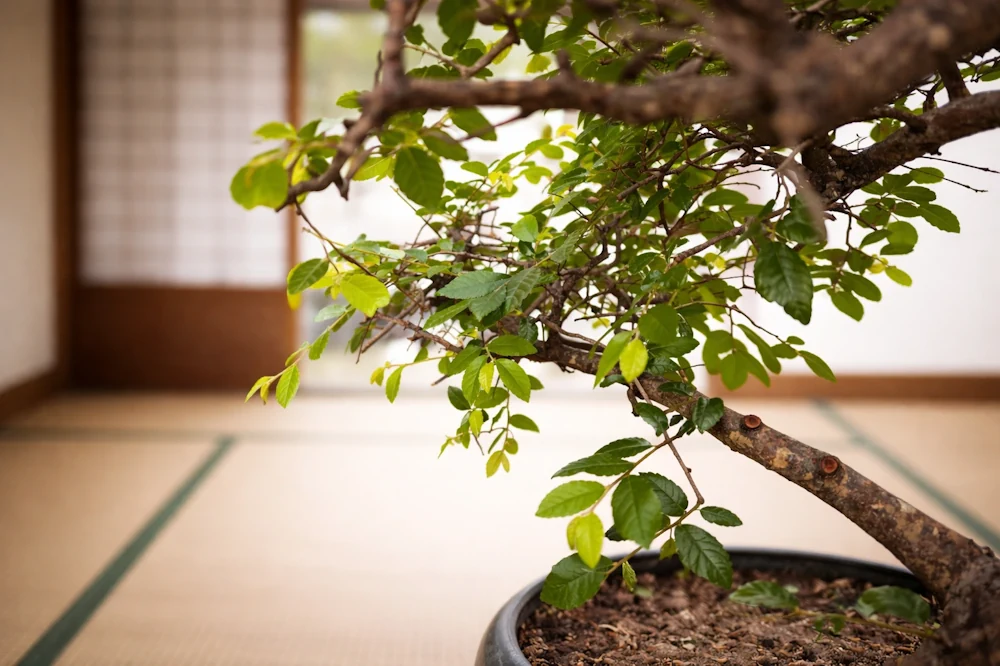
From late May through August, your bonsai enters its most active growth phase in the UK. Longer daylight hours and warmer temperatures increase photosynthesis and hormone activity, which drives faster shoot growth and thicker branches.
In practical terms, this is when bonsai summer care matters most.
During June and July, daylight in the UK can exceed 16 hours per day. More light means more photosynthesis, so your tree produces more energy and pushes stronger growth.
Warmer temperatures also increase the production of auxins, plant hormones that stimulate shoot extension. When nights stay mild, growth rarely pauses.
Here is what you can realistically expect:
For deciduous bonsai summer care, you will likely trim every 2–3 weeks to maintain shape. In the bonsai growth season UK growers experience, trees can quickly look untidy if left unmanaged.
Not all summer growth is the same. You need to recognise two key types:
Extension growth makes branches longer and thicker. If you allow it to run, your tree gains strength but can lose its compact shape.
Back-budding is different. It creates new shoots further back on the branch. This is essential for ramification, which means building fine branch structure and dense foliage pads.
For example, a healthy Japanese maple bonsai in summer may back-bud after you trim a long shoot. Chinese elms respond especially well to this.
Understanding both types helps you decide when to act:
Good bonsai care in June and July depends on knowing which goal you are working towards.
When you let a bonsai grow freely in summer, you pause pruning on purpose. You allow strong shoots to extend so the tree can build energy, thicken wood, and trigger back-budding where you want future growth.
Many beginners ask, “Should I let bonsai grow freely?” In the right context, yes. Unclipped growth is not neglect; it is a controlled phase in good bonsai summer care for beginners.
Deciduous bonsai summer care often includes a short “run” period. Broadleaf trees respond well because they grow fast and store energy efficiently during warm months.
Species that benefit most include:
Conifers such as juniper or pine need more controlled techniques. You do not usually let them run unchecked in the same way as deciduous trees.
If your goal is trunk thickening or strengthening a weak branch, a 4–8 week rest from trimming can make a visible difference.
Not every tree should grow unchecked. Only let bonsai grow freely if it shows clear signs of strength.
Look for:
If your Japanese maple bonsai in summer pushes long, bright green shoots and drinks water daily without wilting, it likely has the energy reserves to benefit.
Avoid a growth phase if the tree is stressed by heat, pests, or recent repotting. In that case, focus on steady watering, light feeding every 2–4 weeks, and protection from harsh afternoon sun.
Used correctly, a summer “run” builds strength first. Refinement comes after.
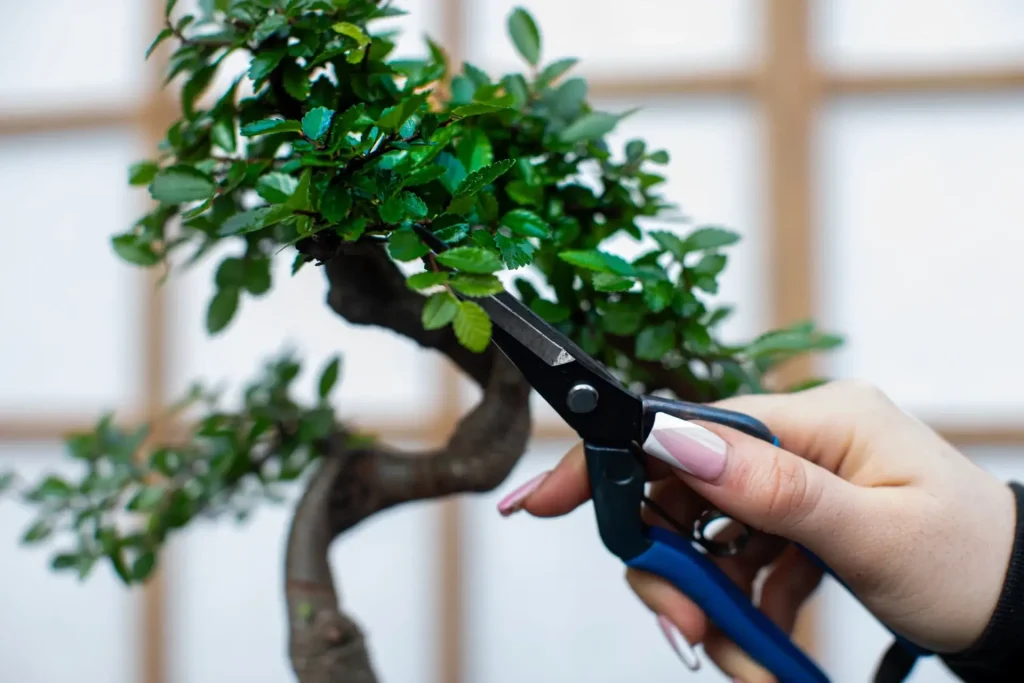
You should not stop pruning completely in summer. You shift from heavy shaping to controlled maintenance that protects health while keeping the outline sharp and balanced.
Selective bonsai summer pruning helps you control apical dominance, remove crossing shoots, and stop one branch from taking over.
In the UK, June is usually strong growth month. Your tree pushes soft new shoots, especially after spring feeding.
You use pinching to control this surge.
Pinching means removing soft, fresh growth with your fingers or fine scissors. You do not cut back into old wood. This slows extension and keeps internodes short.
Use pinching in June for:
Remove the tip and leave 1–2 leaves where you want ramification.
Hard pruning means cutting back to older, woody growth. In June, only do this if:
Avoid heavy structural cuts once July heat arrives. In most UK gardens, limit harder cuts to early or mid-June while growth remains strong and recovery is quick.
Deciduous trees tolerate summer pruning well if you act carefully. Timing matters.
Timing matters, avoid any trimming during sustained heat above 25°C and water well the day before you plan to prune.
Focus on:
For Chinese elm summer pruning, trim repeated flushes through June and July. Stop by late August so new growth hardens before autumn.
Always use sharp, clean tools. Disinfect your blades between trees to prevent fungal spread, and seal larger cuts with wound paste, especially on maples, to reduce the risk of dieback.
Do not combine heavy pruning with repotting in summer. Too much stress at once weakens the tree.
Conifers need a different approach. You rarely use hard cuts in midsummer.
For pines:
For juniper bonsai summer care, avoid shearing with scissors. Instead, pinch or selectively trim growing tips. Cutting straight across causes browning at the ends.
For larch, trim back soft new shoots in early summer once they extend. Do not cut into bare wood unless you are certain buds exist.
In bonsai summer pruning UK conditions, stop significant pruning by mid-August. This allows conifers to harden growth before cooler, wetter autumn weather arrives.
From June to August, your bonsai needs close attention to watering, feeding, and placement. UK summers bring longer daylight hours, occasional heatwaves above 25–30°C, and drying winds that quickly stress small pots.
Small bonsai pots dry out fast, especially in full sun and breezy conditions. In the UK, when temperatures sit between 20–25°C, you will usually water once per day. During heatwaves above 28–30°C, you may need to water morning and early evening.
Do not water by habit. Push a finger or chopstick 2–3 cm into the soil; if it comes out with damp soil clinging to it, hold off watering. When it comes out clean, water thoroughly.
Water in the early morning so roots absorb moisture before midday heat. Pour steadily until water runs from the drainage holes. This ensures the entire root ball is wet.
Avoid two extremes:
A free-draining bonsai compost lets you water thoroughly without the risk of suffocating the roots.
Summer is the main growing season, so feeding consistently matters more than getting the exact formula right.
A balanced feed applied throughout the summer works well. Some growers switch to a lower nitrogen formula from late July onwards, with the aim of easing off the growth push as day length shortens, but this is a matter of preference rather than a strict rule.
For UK growers, the two practical options are:
Always water before feeding: never fertilise a dry or stressed tree. If your bonsai is showing pest damage or heat stress, pause feeding until it recovers.
Most bonsai are outdoor trees. Juniper, pine, maple, elm, and larch all prefer to live outside during summer in the UK.
Place outdoor bonsai where they receive:
Avoid enclosed patios that trap heat. During very hot spells, move sensitive trees out of direct afternoon sun to prevent leaf scorch.
Indoor bonsai summer care is different. Tropical species such as Ficus and Serissa can go outside once night temperatures stay above 12–15°C. They benefit from fresh air and brighter light but still need protection from strong midday sun.
Keep true indoor placements (inside your home) bright and well-ventilated. Do not place trees next to radiators, glass that magnifies heat, or in stagnant air.
Correct bonsai placement in summer reduces watering stress, limits pests, and keeps growth compact and healthy.
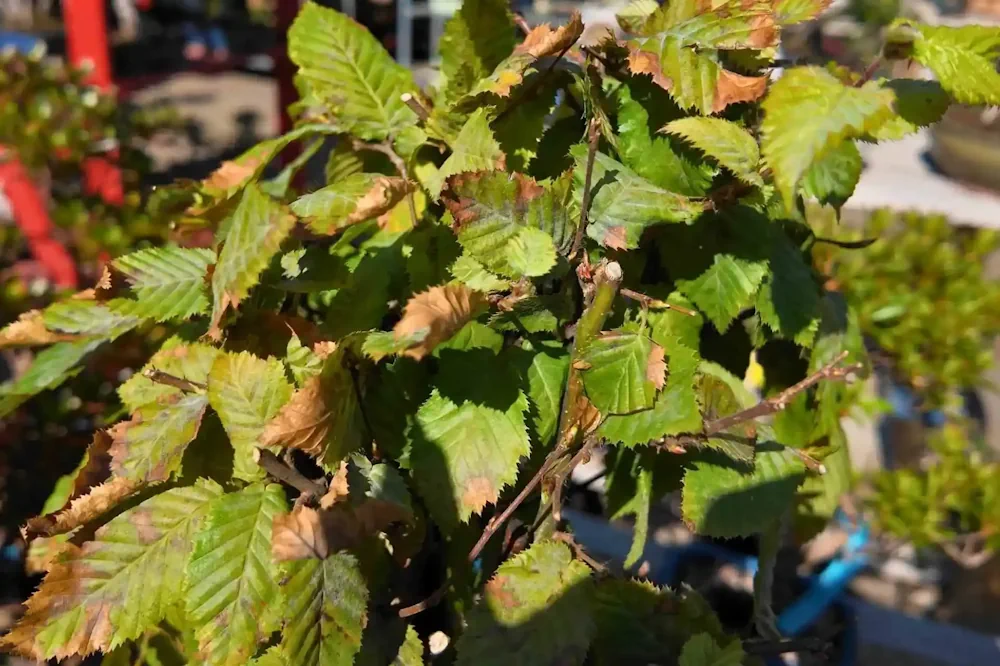
If your bonsai looks stressed in summer, the cause is usually one of the following, and all of them are straightforward to fix.
1) Over‑pruning in peak heat
You remove too much foliage in July or during a heatwave. The tree then loses the leaf surface needed for photosynthesis, so it cannot produce enough energy to recover.
Stick to light maintenance trimming during peak summer heat, and leave enough healthy foliage to support photosynthesis and recovery.
This often explains bonsai dropping leaves in June after a big cut.
2) Irregular or insufficient watering
Warm spells and bonsai heatwave care go hand in hand. If you let the root ball dry out even once, you may see bonsai leaves yellowing in summer, crisp tips, or dieback.
Check the soil daily using the skewer method described above, and water thoroughly until it drains freely. In sustained hot weather, twice-daily watering may be needed.
Avoid the opposite mistake, too. A bonsai overwatered in summer can develop weak roots and yellow leaves due to lack of oxygen.
3) Sun scorch during UK heat events
Sudden full afternoon sun causes bonsai sun scorch in the UK, especially on Japanese maples.
4) High‑nitrogen feed too late
Late summer nitrogen pushes soft growth that cannot harden before autumn.
5) Repotting in high summer
Repotting during heat stress disrupts roots when they already struggle to supply water.
Use this as a fast check during hot spells. UK summers bring long daylight hours, dry winds, and sudden heatwaves, so adjust care by species.
Japanese maple (Acer palmatum)
Chinese elm (Ulmus parvifolia)
Ficus (Ficus retusa, Ficus ginseng)
You’ve seen how summer pruning, careful watering, balanced feeding every 2–4 weeks, and species-specific care keep your bonsai steady through heat and strong sun. Now it’s about having the right tools close at hand.
If you need a reliable kit, explore our summer bonsai care tools collection. You’ll find quality shears for light trimming, watering cans with fine roses, and the practical tools UK growers reach for daily.
Feeding matters just as much as watering. Browse our bonsai fertiliser range if you’re looking to buy bonsai fertiliser UK-wide, including gentle organic options and balanced feeds suited to active summer growth.
Starting out or buying a gift? Our beginner bonsai kits and starter sets cover the essentials without guesswork.
Start with observation rather than action. Check soil moisture every morning, look at the foliage for early signs of stress, and check wiring weekly for bite marks. Those three daily and weekly habits prevent the majority of summer problems before they require intervention.
In our experience at Miyagi Bonsai, the growers who get the most from their summer season are those who adjust their watering frequency early in June rather than waiting for stress signs, feed consistently through the peak growth window, and resist the urge to prune heavily during July heat. Summer rewards attentiveness more than technique.
Miyagi Bonsai stocks a carefully chosen range of indoor and outdoor bonsai trees alongside summer care supplies including balanced fertilisers, organic pellets, fine-rose watering cans, bonsai scissors, and shade cloth, with next working day UK delivery available on most orders. Every tree comes with a personalised care guide tailored to the species and your growing environment. We are rated 5 stars across over 100 Google reviews, and our team is on hand by email and phone if you have any questions about summer watering, feeding timing, heat management, or species-specific summer care.
Summer is the most active, and sometimes the most confusing, season for bonsai owners in the UK. Whether you’re unsure when to prune, how often to water, or why your tree looks stressed, the answers usually come down to understanding how bonsai behave between June and August. Here are the most common questions answered.
Yes. Allowing several weeks of unrestricted growth in early-to-mid summer helps your bonsai build energy reserves, thicken branches, and activate dormant back-buds. It is particularly beneficial for deciduous species such as Japanese maple and Chinese elm. Once new shoots reach two to four internodes, begin light pinching to restore shape.
Most outdoor bonsai need watering once or twice a day in warm UK weather. Press a finger into the top centimetre of soil, if it feels dry, water thoroughly until it drains from the base. Always check the soil rather than following a fixed schedule, as cool or overcast days reduce how quickly pots dry out.
Yes, light pinching of new shoot tips is suitable throughout summer. Hard pruning back to older wood is better done in early summer or left until autumn. Avoid any pruning during heat waves. For junipers and pines, summer is the right time to pinch new candle growth, but do not cut into old wood until late winter.
The most common causes are overwatering, underwatering, or a lack of nitrogen. Check soil moisture first; waterlogged soil causes root damage, while dry soil leads to drought stress. If moisture levels seem correct, introduce a balanced liquid fertiliser. Some deciduous species naturally turn yellow and drop a few leaves in mid-summer, which is not cause for concern.
Most UK bonsai species, including juniper, Japanese maple, Chinese elm, and larch, should be outdoors in summer. Tropical species such as ficus can go outside once night temperatures are consistently above 15°C. Avoid unbroken afternoon sun during heat spells; a position with morning sun and afternoon shade suits most trees.
Use a higher-nitrogen feed in June and early July to support vigorous growth, then switch to a balanced or low-nitrogen fertiliser from late July to help the tree harden before autumn. Organic options such as rapeseed cake pellets or Biogold are popular with UK growers. Feed consistently throughout the growing season rather than in occasional large doses.
Leaf drop in June is usually a stress response. Common causes include a sudden move from indoors to outdoors, underwatering during a warm spell, root damage from waterlogged soil, or cold draughts affecting tropical species. Ensure stable conditions and consistent watering, most trees recover and push new growth within a few weeks.

