
When the clocks change, your indoor bonsai does not need to follow the new time, but its grow light timer may need adjusting. Keep a consistent daily light period, usually 12 to 15 hours for tropical and subtropical bonsai during low-light months, and reset the timer by one hour if you want it to match daylight.
Shorter autumn days can leave ficus, Chinese elm, jade and other indoor bonsai short of usable light. Watch for pale leaves, leaf drop, stretched shoots, or slow growth, and place a full-spectrum LED about 30 to 40 cm above the canopy.
Good bonsai care uses a timer to protect a regular day and night cycle. Avoid running lights all night, and adjust gradually if your tree sits near a bright south or west-facing window.
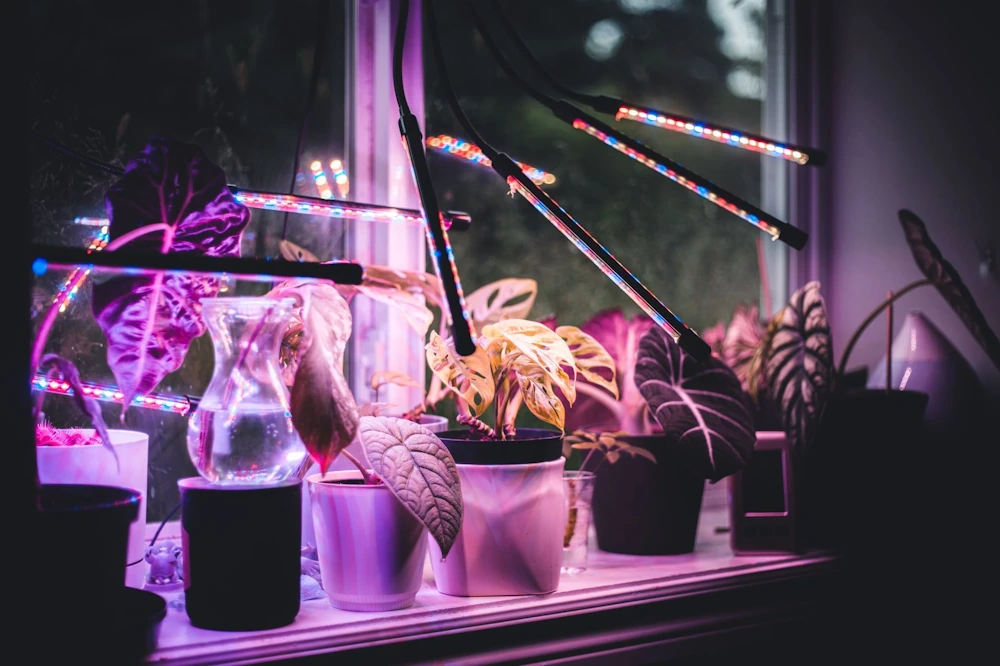
When the UK clocks go back in autumn, your indoor bonsai does not receive less sunshine outdoors. However, your usual bonsai lighting schedule may suddenly stop matching the available natural daylight.
If your grow light is on a fixed timer, the clock change can shift its start and finish by one hour relative to sunrise and sunset. That creates a sudden gap in usable light for indoor bonsai trees, rather than the gradual seasonal reduction you would normally expect.
| Before the clocks change | After the clocks change |
|---|---|
| Grow light starts near dawn | It may start an hour later than dawn |
| Grow light ends near dusk | It may switch off an hour before dusk |
| Natural sunlight and lamp light overlap well | The tree can face longer low-light periods |
This matters because photosynthesis depends on both light intensity and daily light duration. Natural sunlight through a window is already weaker than outdoor light, particularly on cloudy UK days and at north-facing windows.
Act on the clock change that day, not over several weeks. Check that your indoor bonsai lighting still gives tropical or subtropical trees around 12 to 15 hours of total light from natural daylight plus a grow light.
Temperate bonsai, such as junipers and maples, need outdoor seasonal conditions and winter dormancy. A grow light cannot replace those requirements.
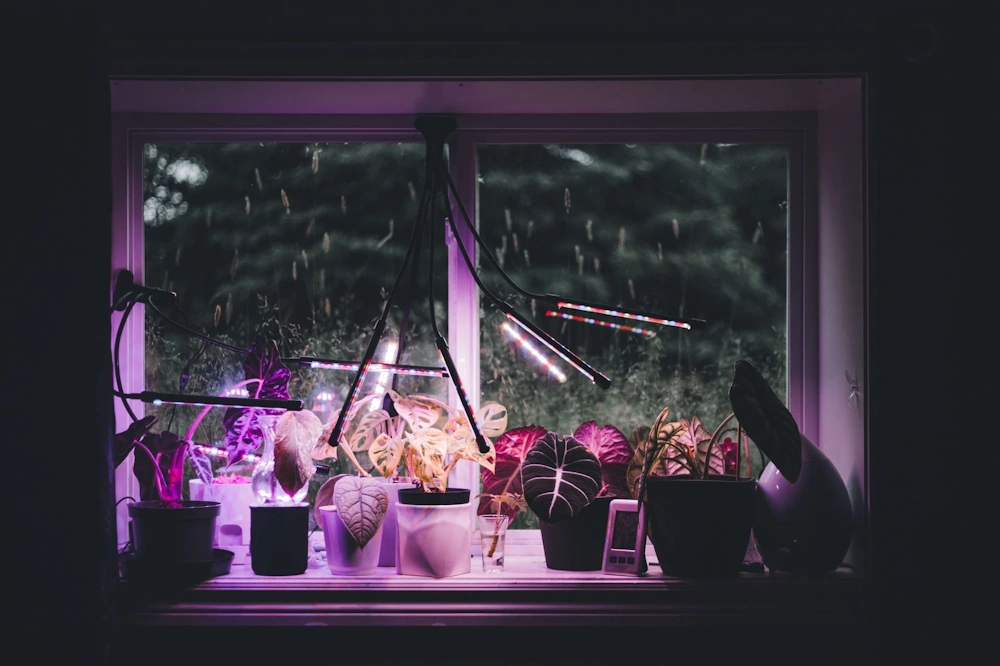
When the clocks change in autumn, daylight becomes both shorter and weaker. In winter, you may only get 7 to 8 hours of daylight, compared with roughly 16 hours in summer in much of the UK.
Most indoor bonsai are tropical or subtropical trees. They usually need 12 to 15 hours of usable light each day in winter.
| Your bonsai position | Typical grow-light time |
|---|---|
| Directly beside a bright south or west window | 3 to 6 extra hours |
| Near a bright window, but with cloudy winter weather | 8 to 12 hours |
| More than 50 cm from a window or at a north-facing window | 12 to 15 hours |
Use a timer so your bonsai receives light at consistent times. For example, run the lamp from 8 am to 8 pm if the tree gets little meaningful daylight.
Keep a dark period every night. Do not leave the grow light on for 24 hours, as your bonsai needs a normal day and night cycle.
Watch for signs that you need more light:
Place a full-spectrum LED around 30 to 40 cm above the canopy, then adjust the height if the manufacturer gives different guidance.
When the clocks change, check whether your bonsai grow light schedule still provides enough total light. Indoor tropical and subtropical bonsai commonly need 12 to 15 hours of combined natural and artificial light each day.
First, reset the clock on your grow light timer bonsai setup so it matches local time. Then extend the programmed light period by one hour if the clock change or shorter daylight reduces the tree’s usual exposure.
| Where to add the hour | Best for |
|---|---|
| Morning | Trees near an east-facing window or rooms that become warm later in the day |
| Evening | Bonsai that receive useful daylight earlier but need extra light after sunset |
| Split between both | A balanced routine, such as 30 minutes earlier and 30 minutes later |
Keep the dark period consistent. Do not run the light overnight, as your bonsai needs a regular night cycle. Position the light above the canopy and check that the timer switches on and off correctly for several days after adjustment.
Tropical bonsai species are usually the most affected when daylight drops after the clock change. They do not enter a true winter dormancy, so they still need reliable light to maintain healthy leaves and compact growth.
Pay particular attention to:
Subtropical bonsai, including some Chinese elm varieties grown indoors, can tolerate reduced daylight better than tropical species. However, a Chinese elm kept warm indoors may continue growing and can become weak without enough light.
| Bonsai species | Sensitivity to reduced daylight | Winter approach |
|---|---|---|
| Fukien tea | High | Use a grow light for 12 to 15 hours |
| Serissa | High | Keep conditions stable and brightly lit |
| Jade bonsai | Moderate to high | Give bright light and reduce watering |
| Chinese elm | Moderate | Keep cool if possible, or supplement light |
| Temperate bonsai species | Lower during dormancy | Keep outdoors for winter dormancy |
Temperate bonsai species need winter dormancy, so they should normally stay outdoors rather than under indoor grow lights. Once deciduous trees have lost their leaves, they need little light until spring.
After the clock change, your indoor bonsai may receive less useful winter light, even if it stays in the same place. Check its growth and leaf colour over several weeks rather than judging it after one dull day.
Look for these visible signs:
| What you see | What it may indicate |
|---|---|
| Long spaces between leaves | Light is too weak |
| Growth only on the window side | Light is uneven |
| Fading leaf colour | Reduced light levels or another care issue |
| Little new growth | Winter light may be limiting growth |
Reduced growth can be normal in winter, particularly for tropical indoor bonsai kept in cooler rooms. However, stretched shoots, pale foliage, and leaning growth usually suggest that your current light setup needs adjusting.
You do not use a grow light yet. If your tropical or subtropical bonsai sits away from a bright south or west window, add a full spectrum LED. Set it for 12 to 14 hours daily, especially from autumn to spring.
You use a light but no timer. Add a timer before the clock change. Keep the light period consistent, such as 8 am to 8 pm, then decide whether the timer should follow the new clock time or stay aligned with your usual household routine.
Your bonsai has pale leaves or long, thin shoots. Adjust your bonsai grow lights now rather than waiting for the seasonal clock change. Check that the lamp sits roughly 20 to 40 cm above the canopy and provides enough light for the whole tree.
You grow several bonsai species. Keep tropical indoor bonsai under lights for 12 to 15 hours if daylight is weak. Do not use grow lights to replace winter dormancy for temperate bonsai such as junipers and maples, as these trees belong outdoors.
In our experience, the most common grow light mistake around the clock change is reacting to the clock rather than the tree. Growers reset the timer, add an extra hour, move the lamp closer, and then wonder why the serissa is dropping leaves or the ficus looks stressed.
The clock change itself does not remove an hour of daylight: it shifts the clock, not the sun. Seasonal daylight reduction happens gradually from late September onwards, and your bonsai has already been adjusting to it.
The right moment to extend your light schedule is when the tree tells you it needs more: pale leaves, stretched internodes, leaning growth, or leaf drop not linked to watering.
If none of those signs are present after the clock change, keep the schedule as it is and watch for two weeks before touching the timer. One methodical check of total daily light hours, lamp height, and visible growth is worth more than adjusting the timer on instinct every October.
Miyagi Bonsai stocks a range of tropical and subtropical bonsai suited to indoor growing, alongside full-spectrum LED grow lights and timers to help you manage light levels through the darker months. The products and recommendations in this guide reflect what we stock, use and see working for our customers every day. We are rated 5 stars across over 100 Google reviews, and our team is on hand by email and phone if you have any questions about lighting setup or care for your specific tree. Next working day UK delivery is available on most orders.
Use a full-spectrum LED grow light, ideally one designed for plant growth rather than general household use. Full-spectrum lights provide the mix of blue and red wavelengths bonsai need for healthy photosynthesis, whereas standard white LEDs or warm household bulbs don’t supply the right balance. Look for one labelled “full spectrum” or “grow light” specifically rather than assuming any bright bulb will do the job.
Signs your grow light is too close or too strong include bleached, pale, or scorched-looking patches on leaves closest to the lamp, and leaves that feel unusually warm to the touch. As a general guide, keep a full-spectrum LED around 30 to 40 cm above the canopy, checking the manufacturer’s guidance for the specific model, since wattage and design vary. If you see scorching, raise the light or increase the distance and monitor for improvement over the following week.
Keep the grow light running on a consistent daily timer rather than skipping it on brighter days. Bonsai respond best to a stable, predictable light and dark cycle, and switching the schedule on and off based on the weather can disrupt that rhythm more than it helps. If a particularly bright day means the tree is getting strong natural light already, it’s fine for the grow light to supplement rather than replace it, but the timer itself should stay consistent.

