Beginner’s Guide to Bonsai Trays
A bonsai drip tray sits beneath the pot to collect excess water after watering, protecting surfaces from moisture damage. When filled with water and pebbles, it also creates a localised humidity zone around the tree; particularly beneficial for tropical indoor species like Ficus and Carmona that prefer higher humidity than most UK homes naturally provide.
Matters of drainage and humidity are all important in the maintenance of our Bonsai, and the right choice of bonsai tray can be an invaluable asset. So whether you are looking to maintain the right humidity, avoid excess puddles or for that matter make sure you don’t have any nasty stains on your surfaces, we’ve got you covered. Below are quality options for beginners across a range of prices
Quick recommendation: which bonsai tray do you need?
- Plastic drip tray – the most practical choice for most beginners. Lightweight, affordable, and easy to clean. Best for everyday indoor use where function matters more than aesthetics.
- Ceramic drip tray – suited to growers who want a tray that complements their pot visually. Heavier and more durable than plastic, with a more refined finish.
- Humidity tray with pebbles – the best choice for tropical indoor species. Filled with water and pebbles, it raises humidity around the tree without the roots sitting in water.
For most beginners, a plastic drip tray is the right starting point. Upgrade to ceramic once you have a pot worth complementing.
This guide covers the three tray types available, how to choose the right size, and what to look for at each price point. For a visual guide on how to use a bonsai drip tray, check out our Instagram post.
What are the best budget bonsai trays?
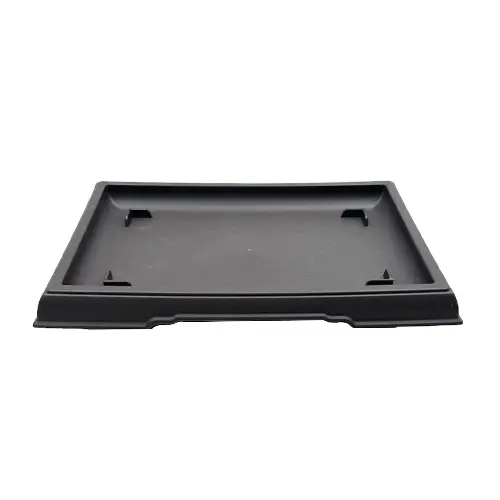
This rectangular brown plastic bonsai tray (15x11x1cm) is durable, lightweight, and affordable, ideal for beginners. It retains moisture well and can insulate roots from temperature extremes. Easy to clean, it offers versatile options in both shape and colour, combining practicality with style for bonsai care.
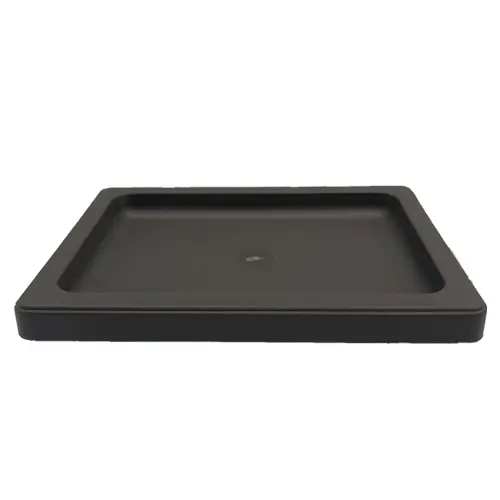
This plastic bonsai drip tray (14x9.5x1cm) collects excess water to prevent root rot and protects surfaces from damage. It aids humidity control, is an easy-to-clean product, and enhances bonsai care by maintaining all-important moisture balance while complementing the tree’s natural display with its practical design.
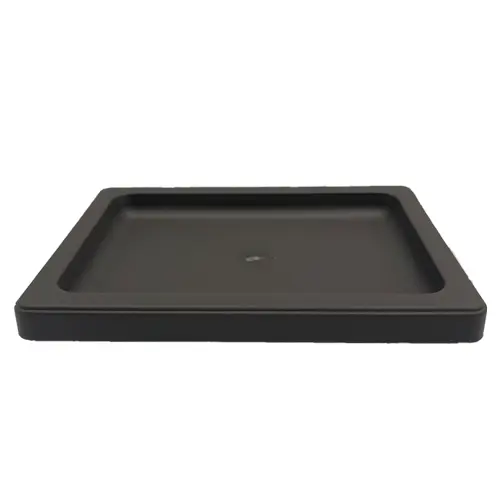
This plastic bonsai drip tray (19x13x1cm) collects excess water to prevent root rot and protects surfaces from damage. It aids humidity control, features a functional design with raised edges, is easy to clean, and enhances bonsai care by maintaining moisture balance and supporting healthy trees.
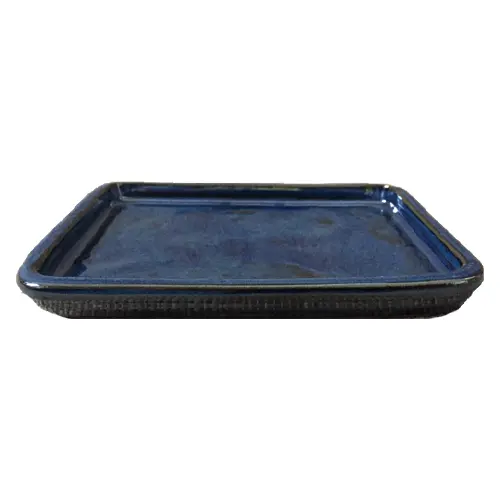
The budget plastic tray range covers sizes from 15cm to 22cm, suited to most small to medium starter trees. Plastic trays are lightweight, easy to clean, and resistant to cracking. They are the most practical choice for beginners who prioritise function and affordability over aesthetics. Available in a rectangular format to suit most standard bonsai pots.
What are the best mid-range bonsai trays?
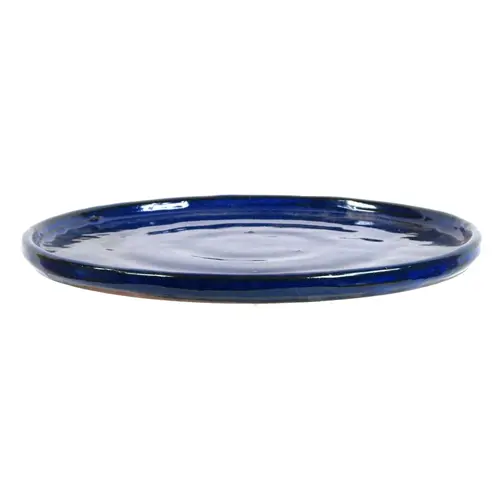
This blue glazed oval bonsai drip tray (22x15cm) collects excess water to prevent root rot and protect surfaces. It's durable ceramic design aids humidity control, it is easy to clean, and complements bonsai aesthetics, able to enhance tree health while providing practical, elegant moisture management.
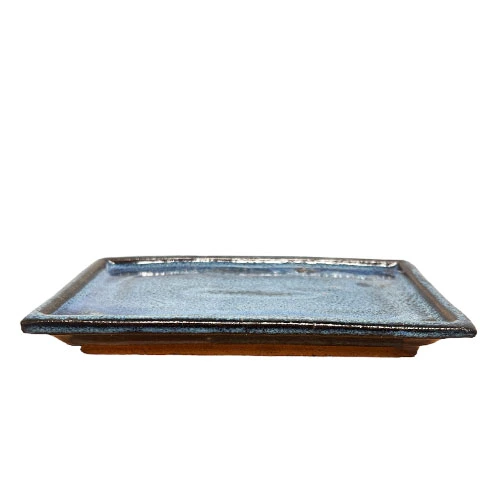
This blue glazed rectangular bonsai drip tray (22x16.5cm) collects excess water to prevent root rot and protect surfaces. Its durable, decorative design aids competent humidity control, is easy to clean innately, and complements bonsai aesthetics, enhancing both tree health and providing practical, elegant moisture management.
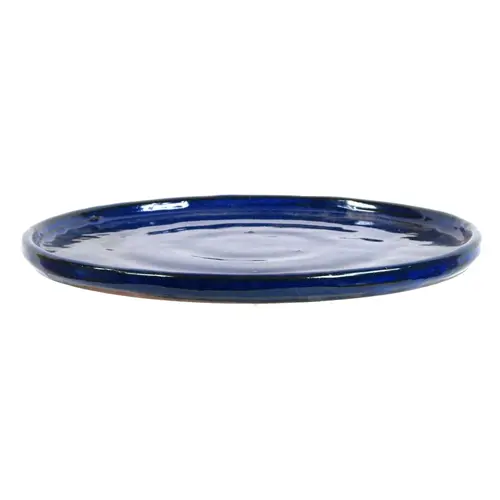
This blue glazed rectangular bonsai drip tray (18x12cm) collects excess water to prevent root rot and protect surfaces. Its durable, decorative design aids humidity control, is easy to clean, and complements the bonsai's aesthetics, enhancing overall tree health, all whilst offering practical, elegant moisture management.
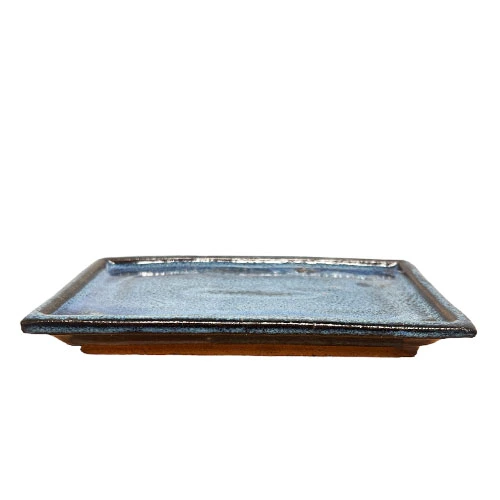
The mid-range blue glazed ceramic trays are available in oval and rectangle formats from 18cm to 22cm. The ceramic glaze finish complements decorative bonsai pots and gives a more considered overall presentation than plastic alternatives. Ceramic trays are heavier and more durable than plastic, making them a better long-term choice for growers who want their setup to look as good as it functions.
What are the best premium bonsai trays?
This blue glazed rectangular bonsai drip tray (28x17cm) collects excess water to prevent root rot and protect surfaces. Its durable, decorative ceramic design supports humidity control, is easy to clean, and can enhance bonsai aesthetics, providing practical moisture management all while subtly complementing tree displays.
This blue glazed rectangular bonsai drip tray (30x19cm) collects excess water to prevent root rot and protects surfaces from damage. Its durable, decorative ceramic design will aid humidity control, is easy to clean, and complements bonsai aesthetics, all whilst enhancing tree health and moisture management.
This blue glazed oval bonsai drip tray (36x29cm) collects excess water to prevent root rot and protects surfaces from damage. Its durable, decorative ceramic design supports humidity control, is easy to clean, and enhances bonsai aesthetics, providing practical, elegant moisture management for healthy tree display.
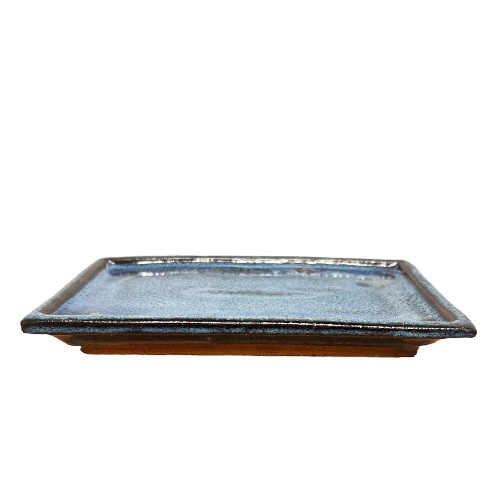
The premium blue glazed ceramic range covers larger sizes from 28cm to 36cm, suited to more developed trees with wider pot bases. Available in oval and rectangular formats, these trays are built for display-quality setups where the tray is part of the overall aesthetic rather than purely functional. In our experience, investing in a quality ceramic tray at this level makes the most sense once you have a tree and pot worth presenting.
Where do you start with bonsai trays?
For most beginners, a plastic drip tray in the right size is all you need. In our experience, the most common mistake is choosing a tray that is too small for the pot; drainage water overflows onto the surface, and the humidity benefit is lost. Match the tray to the pot size first, then consider upgrading to ceramic as your setup develops.
Buying bonsai trays from Miyagi Bonsai
Miyagi Bonsai stocks a full range of plastic and ceramic bonsai drip trays across the UK, with next working day delivery available on most orders. Every tray is sized to complement our bonsai pot range, and our team is on hand by email and phone if you need help choosing the right size. We are rated 5 stars across over 100 Google reviews.
Bonsai Drip Tray FAQ
Common questions about bonsai drip trays, answered.
Do bonsai trees need a drip tray indoors?
Yes, for most indoor setups. A drip tray protects surfaces from water damage after watering and, when filled with pebbles and water, raises humidity around the tree. Tropical species like Ficus and Carmona benefit particularly from the added humidity, which is typically lower indoors than these species prefer.
What is the purpose of a bonsai drip tray?
A bonsai drip tray serves two functions. First, it catches excess water that drains from the pot after watering, protecting surfaces. Second, when set up as a humidity tray with pebbles and water, it creates a localised moisture zone around the tree that supports healthy growth in drier indoor environments.
How big should a bonsai drip tray be?
Choose a tray at least 2 to 3cm wider than the base of your pot on each side. This ensures all drainage water is caught without overflow. A tray that is too small will allow water to run onto the surface beneath, while one that is too large can look visually unbalanced beneath a small pot.
Are humidity trays and bonsai drip trays the same thing?
They serve different purposes but are often the same physical tray used in different ways. A drip tray simply catches excess water. A humidity tray is filled with pebbles and water so the pot sits above the waterline, allowing evaporation to raise humidity around the tree without the roots sitting in standing water. Most bonsai trays can function as either depending on how they are set up.
Can any tray be used as a bonsai drip tray?
In principle yes, but purpose-made bonsai trays are a better choice. They are sized and shaped to complement standard bonsai pots, have sufficient depth to hold drainage water without overflow, and are made from materials that handle repeated water exposure without warping or staining. A standard household saucer can work short-term but is rarely the right size or depth for consistent use.
What is the difference between a drip tray and a humidity tray?
A drip tray is used purely to catch excess water after watering. A humidity tray is filled with pebbles and water and used to raise moisture levels around the tree through evaporation. The physical tray can be the same; the difference is in how it is set up and what it is used for.
How do I use pebbles in a bonsai tray?
Fill the tray with a layer of pebbles or grit around 2 to 3cm deep. Add water until it sits just below the top of the pebbles. Place the bonsai pot on top of the pebbles so it sits above the waterline: the pot should not be in direct contact with the water. As the water evaporates, it raises humidity around the foliage. Refill the water as needed and clean the tray and pebbles monthly to prevent algae build-up.
What size bonsai tray do I need?
Match the tray size to your pot base, allowing 2 to 3cm on each side. As a general guide, a 15 to 17cm tray suits small starter trees in pots up to 12cm wide. A 20 to 22cm tray suits medium trees in pots up to 18cm wide. Larger trees in pots above 25cm wide need a tray in the 28 to 36cm range.