As a Mediterranean evergreen, pistachio thrives in full sun and is best grown outdoors from late spring through to autumn. In the UK, it will usually tolerate light frosts, but its roots are vulnerable in a pot, so it benefits from protection over winter. A bright, unheated greenhouse, cold frame or cool conservatory works well once frosts set in. It can be kept indoors, but it needs the brightest spot available, such as a south-facing window, and may benefit from a grow light through the darker months.
Pistachio is drought tolerant in the wild, but a potted tree dries out far faster and appreciates regular watering through the growing season. Water thoroughly once the top layer of soil feels dry, ideally in the morning, and allow excess water to drain away freely. Avoid waterlogging, as this species dislikes sitting in wet soil. Water more sparingly over winter, when growth slows.
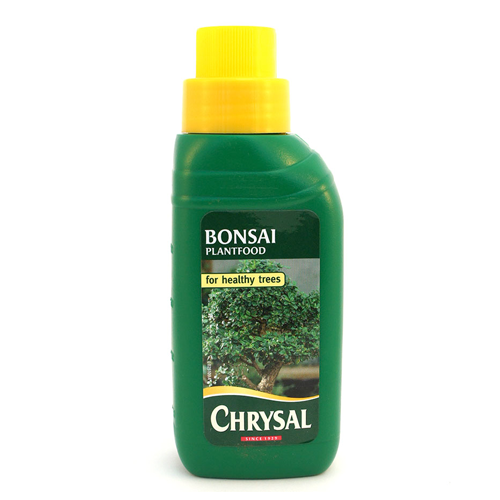
Feed your pistachio from spring through to early autumn, using a liquid feed every two to three weeks as a starting point. Growth slows considerably over the cooler months, so feeding can usually be paused over winter, particularly if the tree is kept somewhere cool. The Chrysal Liquid Bonsai Feed is a convenient option across the growing season.
Pruning your bonsai is important not only to create or maintain an aesthetic style but also to support healthy, balanced growth. Pistachio has compound leaves, so what looks like a small branch is often a single leaf made up of several leaflets. Allow new shoots to extend, then cut back to two or three leaves. Heavier structural pruning is best left to late winter or early spring, before new growth begins. You may notice a pleasant, resinous scent when pruning.
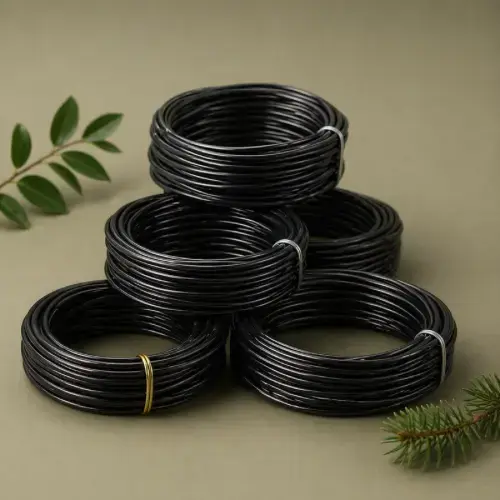
Pistachio responds well to the clip-and-grow method, which is often preferred for this species. Young, flexible branches can be wired with care, though older wood stiffens quickly. Choose a wire with a thickness suited to the branch, and check it regularly, as wire left on too long can mark the bark.
Repotting your tree is an important way to provide a fresh and suitable soil mix and ensure appropriate root health. Repot your pistachio every two to three years, or more often while it is young and vigorous. Early spring, as the buds begin to swell, is usually the ideal window.
Trees that are ready for repotting will require root pruning, a suitable new pot and appropriate soil mix.
When repotting, avoid cutting back the root mass too heavily, and choose a free-draining soil mix, as this species dislikes waterlogged roots. Pistachio tolerates a fairly wide pH range, including slightly alkaline conditions. Every species is different, so please contact us for free soil-mix advice or to take advantage of our repotting service.
Pistacia lentiscus
Native to the Mediterranean, from Morocco and Spain across to Turkey and the Middle East. Pistachio bonsai are distinct for their rugged grey bark and aromatic resin, known as mastic, which has been harvested on the Greek island of Chios for centuries. Unlike its close relative Pistacia vera, this species does not produce edible pistachio nuts.
Bonsai trees aren’t only magnificent additions to an indoor oasis; they are more than capable of standing out in any garden. Many Bonsai species are incredibly hardy and withstand nature’s colder and damper turns with aplomb, making them worthwhile outdoor plants. We have an extensive library of care guides for outdoor bonsai trees. It’s not about selecting the perfect bonsai; it’s about selecting the perfect bonsai for you.
Pistachio bonsai can be propagated from seed, cuttings or air layering. Seeds are usually soaked before sowing in spring, though fertile seed relies on both male and female plants being present. Semi-ripe cuttings can be taken in summer, but they are often slow to root, so rooting hormone and gentle bottom heat can improve the chances of success. Air layering in spring is a more reliable way to produce a larger tree quickly.
Pistachio bonsai are generally resilient, but they can occasionally attract aphids on soft new shoots, as well as scale and spider mites, particularly when kept indoors in warm, dry air. In most cases, moving the tree to a brighter, better ventilated spot and using an appropriate insecticide will resolve the problem. Overwatering can lead to root rot, so a free-draining soil mix is important.
A Pistachio bonsai can be kept indoors, but in the UK it usually performs better outdoors from spring to autumn. Indoor light levels, particularly over winter, are often too low for this sun-loving species, which can lead to weak growth and leaf drop. If you do grow it indoors, a sunny conservatory or south-facing window is ideal, with time outdoors over the summer months.