The heavenly bamboo is a tender plant and is unlikely to survive a hard frost. Once overnight temperatures drop to around 10°C, it’s a good time to bring the tree indoors for winter.
Once overnight lows sit consistently above roughly 13°C, the tree can usually go back outside.
It’s a light-loving species and tends to do best on a south-facing windowsill where possible.
Like most bonsai, the heavenly bamboo doesn’t tolerate drying out. It prefers plenty of water in a well-draining soil, and the compost shouldn’t be allowed to dry out completely. A moisture meter can be a useful way to check before watering rather than guessing.
During drier months, the tree tends to appreciate a little extra humidity around it, which can help offset moisture lost to central heating.
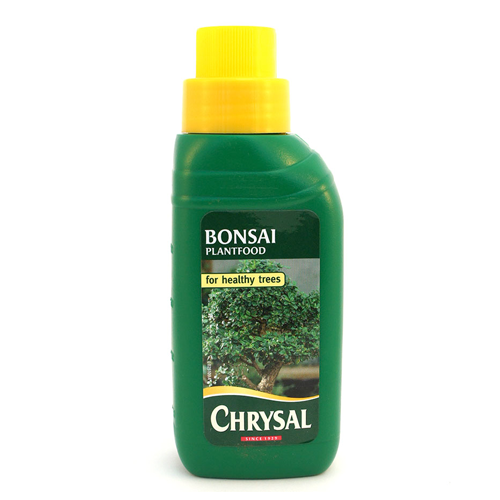
Because a heavenly bamboo bonsai is growing in a small amount of soil rather than open ground, it depends on regular feeding to replenish nutrients. A slow-release, pellet-based fertiliser tends to work well here and can be applied sparingly every 1 to 2 months through the growing season.
New growth should be trimmed back to a point that keeps the shape you’re after, but it’s best not to remove all of the new growth at once. A little should always be left to support the tree’s health.
Regular trimming helps keep a heavenly bamboo bonsai compact, while also encouraging the trunk to thicken over time.
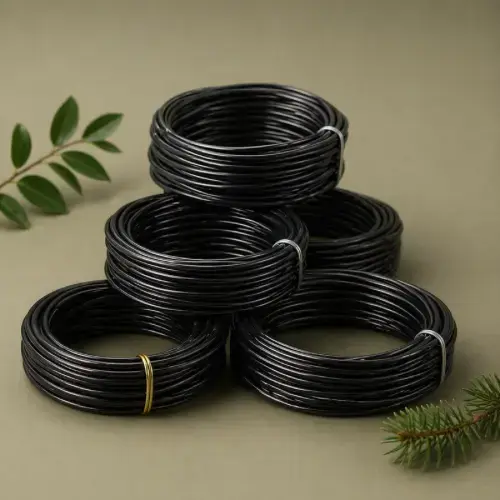
Heavenly Bamboo can be wired, although the overwhelming majority of its shaping can be achieved through pruning. Young shoots and twigs are responsive to wiring, older branches less so. We with a thickness that matches the thickness of the branch: if the wire you choose is too thick, you will damage the bark. If it is too thin, it won’t be effective.
Repotting should be carried out periodically once the root system has filled the pot. If roots are visibly emerging from the drainage holes, this is usually a sign it’s time.
As a general guide, deciduous bonsai tend to need repotting every 2 to 3 years, while evergreens can often go 4 to 5 years between repots. As an evergreen, the heavenly bamboo typically falls into this longer window, though this can vary depending on its growing conditions.
Repotting is best done in midsummer, when the tree tends to be at its most resilient. The tree, along with its soil, should be removed from the pot, and no more than around a third of the root mass trimmed away, with a quarter often preferred where possible.
Trees that are ready for repotting will require root pruning, a suitable new pot and appropriate soil mix.
When repotting, do not cut back the root mass by a large amount, and choose a well-draining soil mix that has a neutral or slightly higher PH value of 5-6 but not over 7. We tend to use a mixture of different speciality bonsai soils on our trees. Every species is different so please contact us for free soil-mix advice or to take advantage of our repotting service.
Nandina domestica
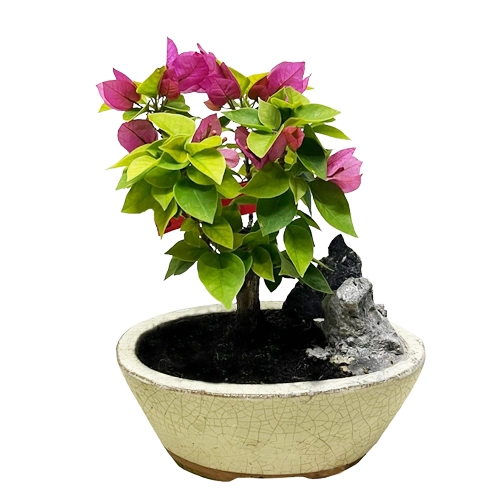
The heavenly bamboo, commonly known as nandina, or sacred bamboo, is a suckering shrub in the barberry family. It’s native to eastern Asia, from the Himalayas to Japan. The glossy leaves are evergreen, though they may drop in colder conditions.
Bonsai make for a one-of-a-kind indoor plant offering elegance, nature and art all in one minute form. Across an array of exquisite and erudite species, they all demand their own specific care and cultivation needs in order for their beauty to flourish. We have an extensive library of care guides for indoor bonsai trees so you can make an informed and considered choice. It’s not about selecting the perfect bonsai, it’s about selecting the perfect bonsai for you.
It’s usually propagated from semi-hardwood cuttings taken in summer, or by dividing rooted suckers from an established plant. For bonsai purposes though, a cutting only gives you a rooted plant, not a bonsai, as building trunk character takes years of dedicated development.
They’re generally considered fairly trouble-free, though they can occasionally be affected by mealybugs, scale, whitefly, or powdery mildew. Leaf-distorting viruses and honey fungus are possible but rare in a well-kept tree.
Yes, the species is rated hardy for an average UK winter and can generally stay outside year-round without special protection. That said, a bonsai’s roots have far less insulation than a plant in the ground, so it’s worth moving it somewhere sheltered during the coldest snaps rather than leaving it fully exposed.