
Bring your bonsai indoors when night temperatures consistently drop to 10°C or lower, but only if the species cannot tolerate frost.
Tropical and subtropical bonsai must come inside before any frost, while hardy temperate trees usually stay all winter outdoors with proper protection.
You risk serious damage if you move your bonsai at the wrong time. Some trees need winter cold to stay healthy, while others will suffer as soon as frost hits.
If you understand your tree’s type and watch the forecast closely, you can act at the right moment. In the sections ahead, you will see exactly how to decide based on species, temperature, and safe indoor placement so your bonsai stays strong through winter.
This guide draws on established UK bonsai practice and is written for growers managing deciduous, conifer, and tropical species in British growing conditions. Whether you are making this decision for the first time or refining your approach across a mixed collection, the guidance here applies across experience levels.
When to bring bonsai indoors depends entirely on the species you grow. Apply the wrong winter rule to the wrong tree and you can weaken or even kill it.
You can group bonsai into three clear winter categories. Whether you are new to winter bonsai care or managing several trees for the first time, your timing decision starts here.
1. Tender tropical and subtropical species
These must come indoors before any frost.
UK autumn nights regularly drop below 10°C by October, which can stress tropical roots.
2. Hardy temperate species
These must stay outdoors all winter.
Bringing these indoors removes their natural rest period.
3. Semi hardy species
These tolerate light frost but need protection in hard freezes.
Correct identification matters more than the calendar.
The most common mistake is bringing hardy outdoor bonsai inside “for protection”. Junipers are the classic example.
They may look fine for a few weeks in a warm living room. Then they slowly decline because they cannot enter dormancy. By spring, the foliage browns and recovery is unlikely.
The opposite mistake also happens. You leave a tropical bonsai outside until the first frost hits. Damage shows quickly as blackened leaves and soft stems. Cold injury is immediate and often irreversible.
This confusion happens because people treat all bonsai as houseplants. Bonsai is a technique, not a species. Each tree still follows its natural climate cycle.
Understanding the three categories of bonsai and their winter requirements prevents this avoidable damage.
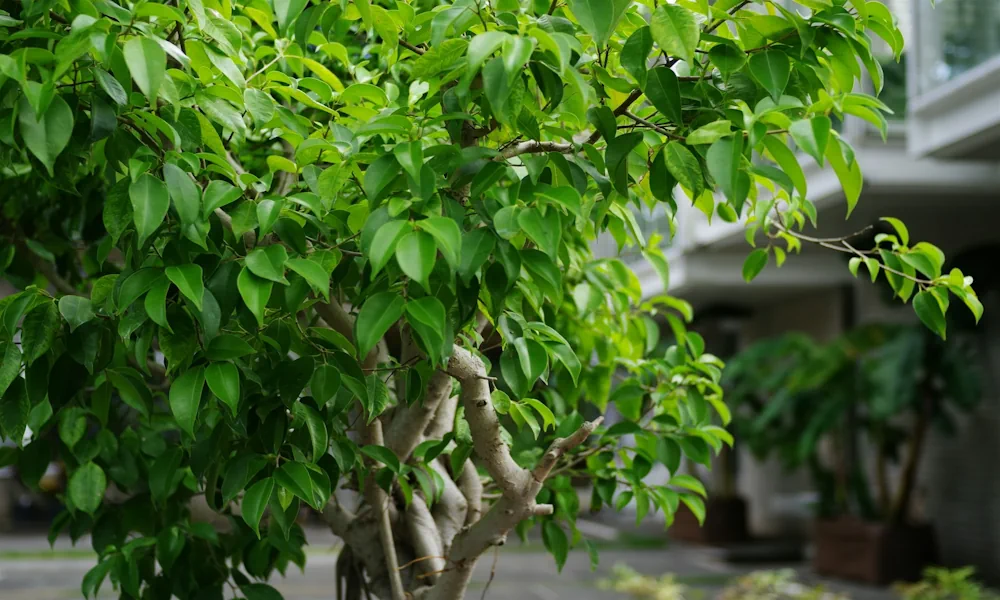
Some bonsai simply cannot tolerate cold nights. If temperatures fall below their safe range, even once, you can see leaf drop, dieback, or permanent damage within days.
Understanding the exact bonsai temperature threshold indoors for each species helps you decide when to bring bonsai indoors without guesswork.
Ficus is the most common tender bonsai grown in UK homes. Although it copes well indoors, it does not tolerate cold.
You should bring your ficus bonsai inside for winter before overnight temperatures consistently fall below 10°C. In most parts of the UK, that means September to early October.
If you are asking, “When should I bring my ficus bonsai inside for winter?” the safest answer is:
Ficus bonsai bring inside autumn is not optional. An unexpected early frost can trigger rapid and severe leaf drop. Even a few cold nights below 8–10°C can stress the tree.
Place your ficus:
Cold shock often shows as sudden yellowing and leaf loss. Act quickly if you see this after a chilly night outdoors.
Carmona (Fukien tea) and Serissa are even more cold-sensitive than ficus. Treat them as strictly indoor trees once autumn begins.
Both prefer overnight temperatures above 15°C. Bring them inside in early to mid September, before cold nights arrive.
Do not wait for 10°C as you might with ficus. These species decline faster in cool conditions.
Signs of cold stress include:
Carmona reacts especially badly to temperature swings. A few chilly nights can cause heavy leaf loss that takes months to recover from.
When growing tender bonsai species indoors in winter, keep them:
Consistency matters more for these species than for almost any other common bonsai.
Many tropical bonsai fall into the same category. This includes:
As a general rule, bring most tender tropical species indoors before overnight temperatures drop below 10°C.
More sensitive species should come inside when nights approach 12–15°C.
Use this quick guide:
| Sensitivity Level | Bring Indoors Below |
|---|---|
| Very tender | 15°C |
| Standard tropical | 10°C |
To decide when to bring bonsai indoors, check the tree’s native climate. If it comes from tropical or subtropical regions with no frost, it belongs indoors before cold nights begin.
Never test a tropical tree against frost “just to see”. Freezing temperatures can kill roots in shallow bonsai pots quickly.
If you are unsure about your species, start with its origin. Search the botanical name and look at its natural climate.
UK nursery labels often state “Indoor bonsai” or “Outdoor bonsai”. Indoor almost always means frost tender.
When information is unclear:
Knowing whether your tree is tender or hardy removes uncertainty. Once you understand its safe temperature range, you can decide exactly when to bring bonsai indoors each autumn.
Some bonsai should never come indoors for winter. Hardy species such as juniper, pine, and many deciduous trees rely on real cold to complete dormancy and stay healthy long term.
If you remember one rule about when to bring bonsai indoors, make it this: juniper never comes inside for winter.
Juniper is the species most often brought indoors by mistake. Many people assume all bonsai are indoor plants. Others move them inside out of instinct when frost appears. Both actions cause harm.
Junipers are cold-hardy and can tolerate temperatures well below −10°C, with root protection in pots. They need exposure to autumn chill and winter cold to enter full dormancy.
When you keep a juniper in a centrally heated room:
The tree slowly weakens over winter. Needles fade, growth thins, and decline often shows in spring. A juniper left outdoors in a sheltered spot is far more likely to survive than one kept warm indoors.
If you are unsure which bonsai need to come inside for winter, juniper is not one of them.
All common bonsai pines require outdoor conditions throughout the year. This includes Scots pine, Japanese black pine, and mugo pine.
Pines are classed as very hardy species. Many tolerate temperatures below −20°C once established, although roots in shallow pots need insulation or placement on the ground.
Cold triggers dormancy. Without it, pines continue weak metabolic activity through winter instead of resting properly.
Indoor conditions create several problems:
You may not see immediate damage. Instead, the tree declines gradually over one or two seasons.
If you are deciding when to bring bonsai indoors, remember that pine is an outdoor tree in every season. Focus on root protection and wind shelter, not warmth.
Japanese maple, beech, hornbeam, zelkova, and larch are hardy deciduous species that stay outside in winter.
Most Japanese maples tolerate temperatures between −10°C and −20°C depending on the cultivar. Beech and hornbeam show similar cold tolerance. Larch is even tougher and withstands very low temperatures once dormant.
These trees need:
If you move them indoors, they may break bud too early. Fresh shoots then suffer if you return them outside into late frost.
You should protect the roots in severe frost by:
Protection differs from relocation. Hardy bonsai stay outside winter, even if you shield the container.
So when deciding when to bring bonsai indoors, separate tropical species from hardy ones. Bringing hardy species inside removes the cold period they biologically require, and that single mistake causes more winter losses than leaving them outside ever would.
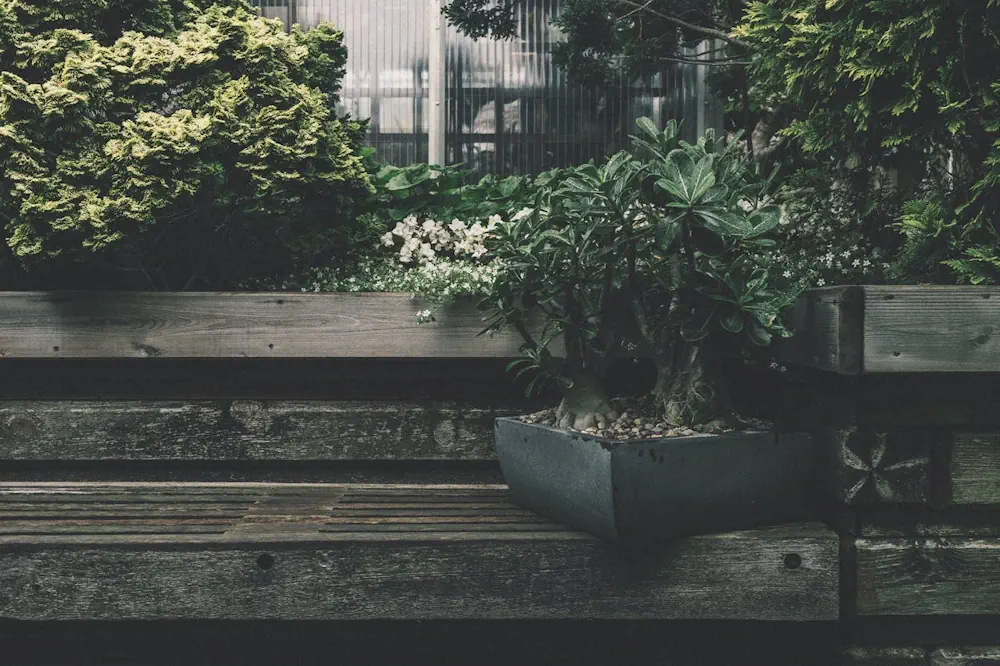
Some bonsai sit between fully hardy outdoor trees and true tropical species. You do not need to move them into a warm living room in autumn, but you must protect them from hard frost and root freeze.
The Chinese elm semi-hardy middle ground causes confusion for many beginners. Its winter care depends on how you have grown it.
If you keep your Chinese elm outdoors year round, an established tree will tolerate typical UK winters. In most regions, it handles light frost without extra protection and enters normal dormancy. You should only step in during prolonged cold snaps or when temperatures drop well below freezing.
Indoor-grown Chinese elms are different. If you have kept yours inside all year, do not move it outside for winter. Sudden changes during the bonsai indoor outdoor transition in autumn can cause leaf drop and stress. Maintain consistent indoor conditions instead.
Also consider the pot. Trees in shallow bonsai containers face higher risk of root zone freezing, even when air temperatures seem manageable. In freezing weather, protect the pot with insulation or move it to a cold but frost-free space.
Olive and Mediterranean species in UK conditions need more protection than maples or pines, but less warmth than ficus or other tropical trees.
Olive bonsai tolerate light frost. However, you should protect them from hard frosts below minus 5°C. Extended freezing can damage roots and fine growth, especially in small pots.
In practice, you have several suitable options:
Avoid heated indoor rooms. Olives prefer cool winter conditions and benefit from a rest period. When you plan to move bonsai indoors in autumn, think in terms of frost protection rather than warmth.
When you ask what frost protection means in practice, focus on temperature control, not comfort.
Do not move semi-hardy trees into a heated living room. Central heating interrupts dormancy and creates weak winter growth.
Instead, aim for spaces that stay just above freezing:
Keep the tree outside for most of autumn and winter if conditions allow. Step in only when forecasts show hard frost.
Monitor soil moisture carefully. Semi-hardy species dislike waterlogged compost in cold weather, so ensure good drainage while protecting the roots from freezing.
In the UK, you should base bonsai indoor winter timing on overnight lows, not the calendar. Watch for specific temperature thresholds and act before a cold snap, especially with tender species.
For most tropical and subtropical bonsai such as ficus, move them inside before overnight temperatures consistently fall below 10°C. Once nights sit at or under this level, growth slows and stress begins.
More sensitive species need earlier action:
A single unexpected frost below 0°C can cause severe damage within hours. Leaves can blacken and drop quickly, and roots in shallow pots chill fast.
Hardy outdoor species such as juniper, pine, and larch are different. They require winter dormancy and should not go into heated rooms.
When you bring bonsai indoors in the UK, match the move to the species, not to habit or guesswork.
UK regional timing varies more than many growers expect.
In Scotland and northern England, overnight temperatures often drop below 10°C from September onwards. Tender species should usually be indoors by late September or early October.
In the Midlands and Wales, consistent 10°C nights often arrive in October.
In southern England, especially in sheltered urban areas, mild autumns can delay regular 10°C lows until late October or even November. Coastal areas may stay milder, but inland frost pockets cool faster.
Use this as a rough guide:
| Region | Typical timing for tender species indoors |
|---|---|
| Scotland | Late September to early October |
| Northern England | Early to mid October |
| Midlands | Mid to late October |
| Southern England | Late October to November |
Do not rely on these dates alone. Always check the forecast.
You should monitor overnight low forecasts, not daytime highs.
Use a reliable weather app and look at:
React when nights approach your species threshold, not after they pass it.
Also factor in your microclimate. A balcony exposed to wind will cool faster than a sheltered garden corner. Pots on stone patios lose heat quickly. Wind increases stress even if the air temperature reads slightly above the danger point.
If in doubt, move tender bonsai inside slightly early. A few extra indoor days cause far less stress than one unprotected frost event that triggers rapid leaf drop and setback.
Moving your bonsai indoors changes its temperature, light, humidity and airflow in one step. You reduce bonsai shock from moving indoors by slowing that change down and monitoring the tree closely during the first two weeks.
If you move a tree straight from cool autumn air into a warm, centrally heated room, you create a sudden shift in:
Even tough species can struggle with that. Tropical bonsai such as ficus react quickly, but temperate species can also stall or shed leaves.
Good bonsai acclimatisation indoors usually takes 7 to 14 days. Instead of moving the tree directly inside, you can:
This step-down approach allows the tree to adjust gradually. You reduce the shock response and make the final move far less disruptive.
Leaf drop after moving indoors is common. It does not automatically mean you have done something wrong.
Ficus, in particular, often drop leaves rapidly after any position change, even when the new location offers better light. The tree reacts to altered light direction and intensity, not just poor care.
You can tell normal adjustment from serious stress by looking at the pattern:
Most trees stabilise within two to four weeks. New buds or small leaves usually appear once the tree adapts to its indoor position.
The first two weeks indoors matter most. This is when problems show up.
Start with soil moisture. Indoor heating dries soil differently from outdoor autumn conditions. Check the compost every day at first. Water only when the top layer begins to dry, not on a fixed schedule.
Next, inspect for pests. Warmer indoor air can trigger activity from spider mites, scale insects, or aphids that were unnoticed outside. Look under leaves and along stems at least twice a week.
Finally, assess light. Place your bonsai near a bright south or east-facing window where possible. If growth weakens or leaves pale, you may need to adjust the position or add a grow light.
Small adjustments early on prevent bigger setbacks later.
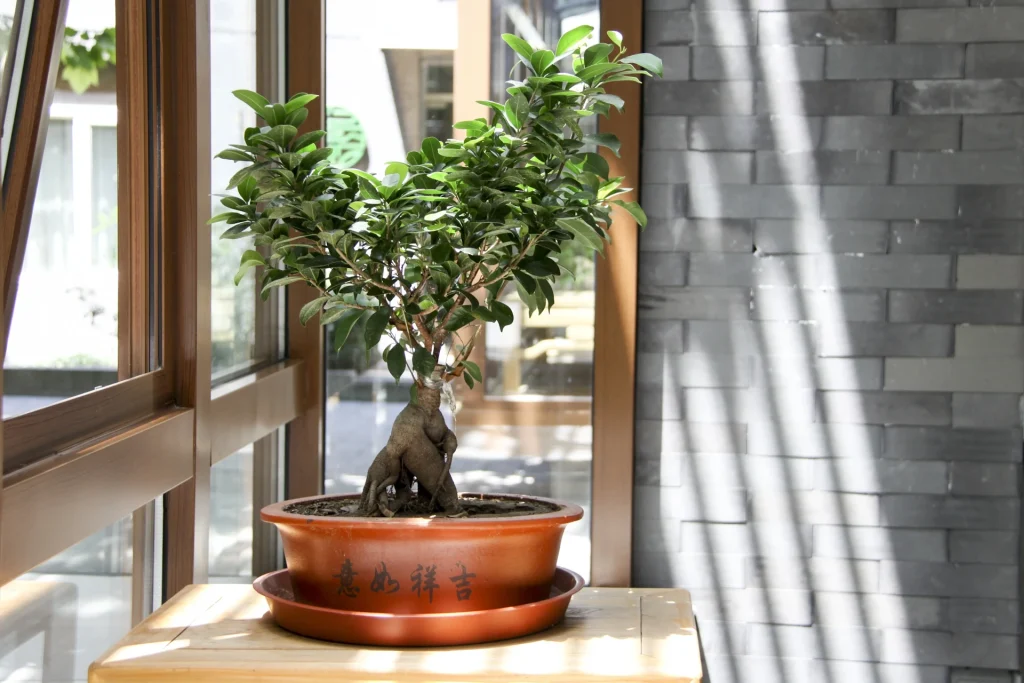
Once you decide when to bring bonsai indoors, placement becomes your next priority. Light levels, heat sources and watering patterns change quickly indoors, especially during winter in the UK.
When considering where to position a tropical bonsai indoors for winter, prioritise natural light above appearance. Indoor winter light in the UK is far weaker than outdoor summer light, so your tree needs the brightest safe spot available.
Place your bonsai:
Avoid moving it deep into the room just because it “looks better” there. Tropical species such as Ficus or Chinese Elm rely on strong light to maintain foliage through winter.
If window light is limited, especially in north-facing homes, consider a grow light. If window light is limited, especially in north-facing homes, consider a grow light to supplement natural daylight through the darker months.
For bonsai indoor placement in winter UK conditions, always think: brightest stable light first, décor second.
Three placement mistakes cause most indoor winter problems.
1. Radiators and heat sources
Do not place your bonsai above or beside a radiator, fireplace or heater. These create hot, dry air that quickly dehydrates leaves and soil.
2. Cold draughts
Keep your tree away from frequently opened doors and poorly sealed windows. Sudden temperature drops stress roots and can trigger leaf drop.
3. Dark corners
A shelf across the room from a window is usually too dim. If you cannot comfortably read there during the day without switching on a light, it is too dark for a tropical bonsai.
Stable temperatures and steady light matter more than room aesthetics.
The first month indoors requires small but important changes.
Watering usually reduces. Indoors, soil dries more slowly than it did outdoors in autumn wind and sun. Check the top 1 to 2 cm of soil and water only when it feels slightly dry, not on a fixed schedule.
Humidity often drops sharply in heated homes. Aim for moderate humidity by:
Light may still be insufficient even in a good window. If you notice pale growth or leaf drop, supplement with a grow light for 10 to 12 hours daily.
When to bring bonsai indoors is only the first step. The first few weeks inside determine how well it settles for winter.
When you ask when should bonsai come inside, the real answer depends on species. Some bonsai need to come inside for winter in the UK. Others must never see a heated room.
Use overnight temperatures as your trigger, not the calendar.
| Species | Winter Category | UK Timing for Action | Temperature Threshold | Key Risk if Timing Is Wrong |
|---|---|---|---|---|
| Ficus | Must come inside | Sept to Oct, before cold nights | Below 10°C | Leaf drop, root damage |
| Carmona (Fukien Tea) | Must come inside | Early autumn | Below 12°C | Rapid decline, leaf loss |
| Serissa | Must come inside | Early autumn | Below 10°C | Stress, dieback |
| Chinese Elm | Partial protection only | Late autumn | Below 0°C | Weak growth if kept too warm |
| Olive | Partial protection only | Late autumn | Below -3°C | Frost damage to roots |
| Juniper | Must stay outside | No indoor move | Protect below -5°C | Death from indoor heat |
| Scots Pine | Must stay outside | No indoor move | Protect below -10°C in pots | Loss of dormancy indoors |
| Japanese Black Pine | Must stay outside | No indoor move | Protect below -5°C | Weak buds next season |
| Japanese Maple | Must stay outside | Late autumn protection | Root zone below -2°C in shallow pots | Bud and root damage from sustained frost |
| Trident Maple | Must stay outside | Late autumn protection | Below -2°C in pots | Root freeze in shallow pots |
| Beech | Must stay outside | Late autumn protection | Below -3°C | Drying winter winds |
| Hornbeam | Must stay outside | Late autumn protection | Below -3°C | Root damage in exposed pots |
For bonsai indoor winter timing UK, tropical and subtropical trees such as ficus, carmona, and serissa must come inside before nights drop below 10°C. Hardy species such as juniper, pine, maple, beech, and hornbeam must stay outside and need cold dormancy.
The single most important principle in winter bonsai care is knowing which category your species falls into before you decide when to bring bonsai indoors UK. Bringing a hardy tree inside and leaving a tender tree outside are opposite mistakes with equally damaging results. Check species requirements in September and act on overnight forecasts rather than fixed dates to avoid the most common winter care errors.
In our experience, the most common winter timing mistake is treating the move indoors as a precaution rather than a species-specific decision. Growers bring hardy junipers and maples inside to keep them safe, and leave tropical ficus outside a week too long. Both errors cause real damage that takes a full season to recover from. Check your species category in September, monitor overnight forecasts rather than daytime temperatures, and act before the threshold rather than after. That single habit prevents the majority of winter losses we see from UK growers each year.
Miyagi Bonsai stocks a carefully chosen range of indoor and outdoor bonsai trees suited to UK growing conditions, including tropical species such as Ficus and Carmona alongside hardy outdoor trees such as Juniper, Pine, and Japanese Maple, with next working day UK delivery available on most orders. The products and recommendations in this guide reflect what we stock, use, and see working for our customers every day. We are rated 5 stars across over 100 Google reviews, and our team is on hand by email and phone if you have any questions about winter timing, species identification, or indoor bonsai care.
Yes, but timing matters just as much as the move inside. For tropical species such as ficus, wait until overnight temperatures have reliably risen above 12 to 15°C and all frost risk has passed; in most UK regions, that means late May or early June. Moving them outside too early in spring exposes roots to cold nights they cannot tolerate. Acclimatise gradually by placing the tree in a sheltered outdoor spot during mild days before leaving it outside overnight. For semi-hardy species such as Chinese elm that spent winter in a cold frame, the return outdoors can happen earlier, from mid-April in southern England, once frost becomes unlikely.
Do not panic, and do not immediately move it back outside. Leaf drop after moving indoors is a very common adjustment response, particularly in Ficus. The tree is reacting to changed light direction, intensity, and air humidity rather than a care failure. Check that the position offers maximum available light, ideally a south-facing window, and that the soil is not waterlogged from the transition. If stems stay firm and green and the soil moisture looks balanced, give the tree two to four weeks to stabilise before intervening further. New buds or small leaves usually appear once it adapts. Only investigate further if drop continues beyond four weeks or stems begin to soften.

