
Stop feeding outdoor bonsai by mid to late autumn when growth slows, and stop completely once the tree becomes dormant.
Most trees need fertiliser from early spring through mid autumn, but they should not receive feed during winter dormancy. Indoor subtropical bonsai can continue to receive light, balanced feeding if they keep growing, but stop if growth slows or the tree looks unwell.
You feed your bonsai to support steady growth, but timing matters just as much as the fertiliser you use. If you keep feeding for too long, you push soft growth at the wrong time and weaken the tree before winter.
As summer fades, reduce nitrogen and decrease frequency instead of stopping suddenly. This helps your bonsai prepare for colder weather without forcing tender new shoots. The exact timing depends on species, climate, and whether your tree grows outdoors or indoors.
This guide draws on established UK bonsai practice and is written for growers managing temperate, conifer, and tropical species in British growing conditions. Whether you are feeding your first bonsai or refining a seasonal routine across a collection, the principles here apply across experience levels.
You control how strongly your bonsai enters dormancy. The timing of your last feed affects root activity, shoot growth, and winter survival, especially when you use balanced or high nitrogen NPK fertilisers.
As days shorten and temperatures drop, your bonsai slows down. Root growth reduces first, even while leaves may still look active.
Cool soil limits how efficiently roots absorb nutrients. Even if you apply a balanced NPK fertiliser, the tree cannot use those nutrients at the same rate as in late spring or early summer.
Instead, your bonsai shifts focus:
If you keep feeding at full strength, nutrients can build up in the soil. This increases salt levels and may stress fine feeder roots.
For deciduous species, uptake drops sharply once leaf colour changes. For many temperate bonsai, this means reducing or stopping feeding in early to mid autumn, depending on your local climate.
It feels logical to feed more before winter. In practice, late feeding often does the opposite.
High nitrogen in your NPK ratio pushes soft, leafy growth. That growth does not harden before cold weather arrives.
Soft growth is vulnerable to:
Instead of storing energy, the tree spends resources producing new tissue it cannot protect. This weakens overall structure and reduces winter resilience.
Even with lower nitrogen fertilisers, feeding too late can interrupt natural dormancy signals. Your bonsai needs a clear seasonal transition. When you stop feeding at the right time, you support bud set and stable root health rather than forcing unnecessary growth.
Stopping feeding works best when it is the final step in a gradual reduction, not a sudden decision. If you taper fertiliser strength as growth slows through late summer and early autumn, the transition into dormancy is smoother and the tree is less likely to push soft late growth.
| Season | Feeding Strategy |
|---|---|
| Late spring | Full-strength balanced NPK |
| Mid to late summer | Reduced nitrogen or lower dose |
| Early autumn | Further reduction |
| Mid to late autumn | Stop feeding |
By tapering rather than stopping abruptly, you avoid sudden changes in nutrient levels and reduce the risk of salt buildup in shallow bonsai containers. When you align fertiliser timing with natural growth rhythms, your bonsai enters dormancy stronger and more stable.
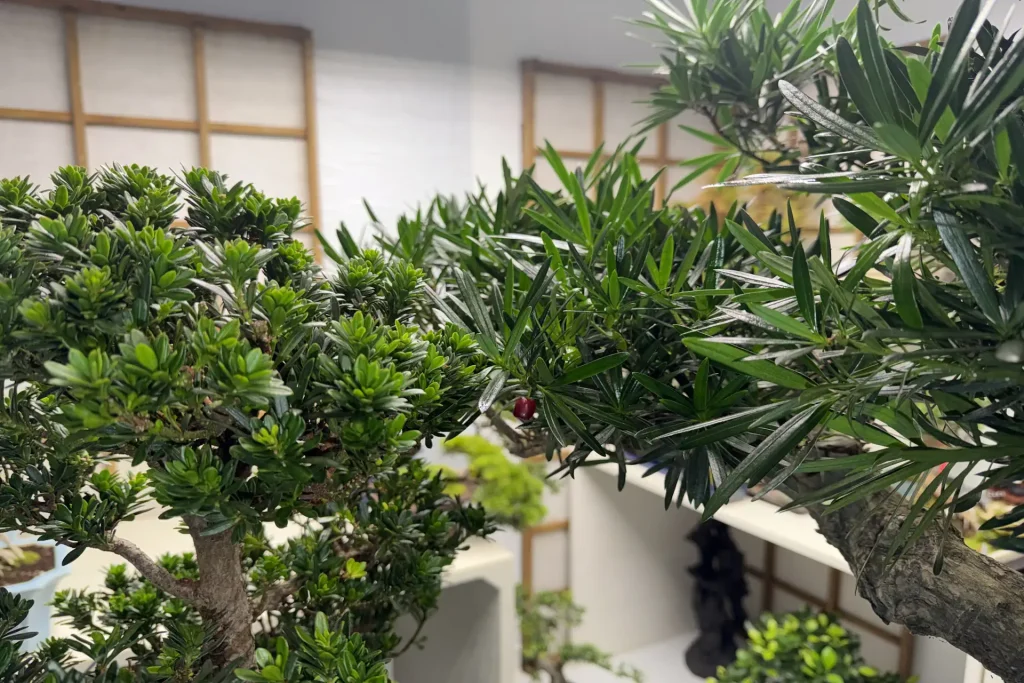
You stop feeding when your tree no longer pushes active growth and needs time to harden before winter. Whether you grow one tree on a patio or manage a mixed collection of deciduous and conifer species, the real signal comes from the tree itself, not from a fixed date on the calendar.
Your bonsai tells you when to ease off. Look closely at leaf colour and new growth.
If the leaves reach a deep, healthy green and new shoots slow down, you can stop feeding. At this stage, the tree has built the foliage it needs for the season. Extra fertiliser will not improve colour or strength.
Also watch for:
Bonsai live in small pots with limited soil. Nutrients wash out quickly with frequent watering, so you feed regularly in spring and early summer. However, once strong growth slows in late summer, continued feeding can push soft growth.
Soft, late growth struggles to harden before cold weather. That increases the risk of winter damage, especially for temperate species.
Many guides suggest stopping in late summer or early autumn. That works as a rough guide, but it is not precise.
Weather changes every year. A warm September can extend growth. A cool, wet August can slow it early. If you rely only on dates, you may feed too long or stop too soon.
Instead, combine season and observation:
If your tree still pushes strong new shoots in late August, you can continue light feeding. If growth has already stopped by mid August, stop then.
Your goal is simple. Allow the tree to gradually slow down and harden off before winter.
In the UK, most temperate bonsai stop needing feed between late August and mid-September.
This applies to species such as:
By early autumn, daylight shortens and night temperatures drop. Growth slows naturally. At this point, stop regular feeding.
For most gardens in southern England, that means stopping around late August. In colder northern areas, you may stop a week or two earlier.
Evergreen indoor species such as ficus differ. If they grow actively under warm indoor conditions, you can continue light feeding. For outdoor temperate bonsai, stop before autumn fully sets in so your tree enters winter firm and prepared.
You do not stop feeding bonsai suddenly at the end of summer. You reduce nitrogen in stages, increase potassium, and then stop completely once growth and leaf colour show the tree has stored enough energy.
As late summer approaches, stop using high nitrogen formulas such as 10-6-6. These push soft, leafy growth that will not harden before cooler weather.
Switch to a balanced fertiliser such as 6-6-6 or 5-5-5. This keeps the tree healthy without forcing long internodes.
You can apply:
Keep the soil moist before feeding. Reduce frequency slightly compared to peak summer.
At this point, you aim to maintain strength, not create new extension growth. If shoots continue to lengthen rapidly, reduce feeding sooner.
By early to mid-autumn, shift again. Use a low nitrogen, higher potassium blend such as 5-10-10.
Lower nitrogen slows leaf production. Higher potassium strengthens cell walls and supports root health.
Feed every 2 to 3 weeks only. Many growers use:
This stage prepares deciduous trees for leaf drop and helps conifers firm up needles. Avoid strong balanced feeds now.
If you grow tropical bonsai indoors, continue lightly but reduce strength. Temperate outdoor trees should not receive heavy feeding at this stage.
Stop feeding once the tree shows clear signs of maturity for the season.
Look for:
For most temperate bonsai, this point arrives in mid to late autumn. Do not fertilise through winter dormancy.
Continuing to apply fertiliser after growth stops risks salt build up and weak off season growth. Flush the soil with plain water if needed.
Indoor tropical species differ. If they grow actively under warm conditions, feed lightly every 4 to 6 weeks at quarter strength. If growth slows, stop and wait for stronger light in spring.
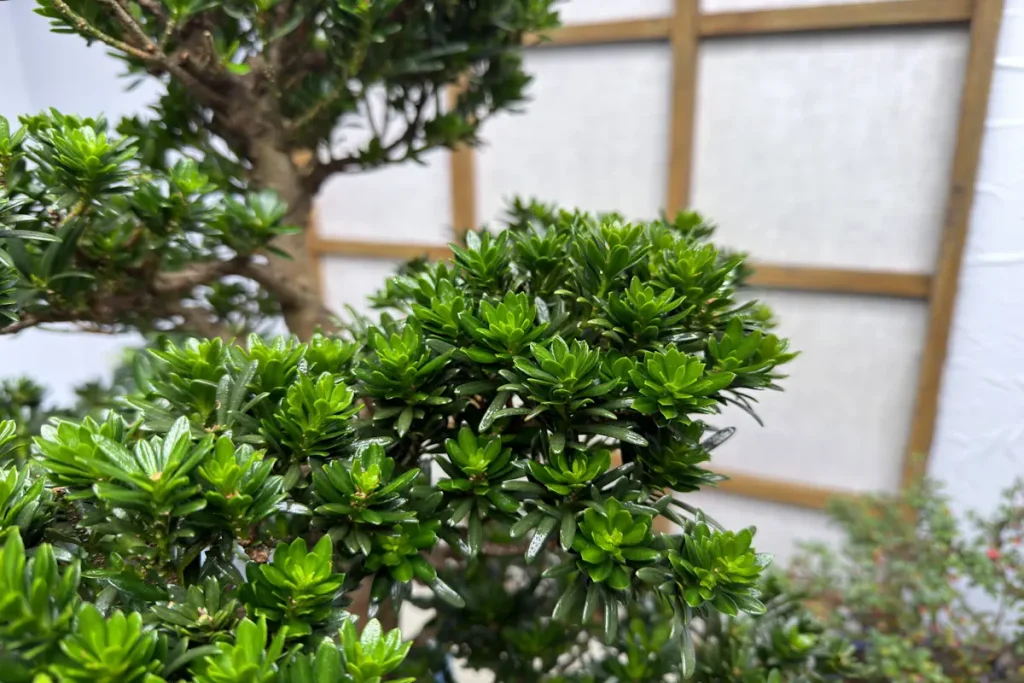
Different species stop using nutrients at different times of year. If you match your feeding schedule to the tree’s natural cycle, you prevent weak growth, root stress, and winter damage.
Japanese Maple and Beech are usually the first to stop active growth in late summer. By early autumn, you should already reduce high nitrogen feeds.
As day length shortens, these deciduous trees begin storing energy in their roots. If you keep feeding nitrogen at this stage, you encourage soft shoots that will not harden before the first frost.
When to stop:
When leaves start colouring or dropping, feeding has no benefit. At that point, the tree has shifted from growth to dormancy preparation.
Chinese Elm behaves differently depending on whether you grow it indoors or outdoors.
If you grow it outdoors in the UK, treat it like a temperate tree. Reduce feeding in early autumn and stop once temperatures regularly fall below 10°C.
If you keep it indoors and it continues growing, you can feed lightly for longer. However, do not fertilise continuously all winter.
Follow these signs:
Even indoor Elms benefit from a short winter rest. Feeding during slow growth often leads to salt buildup in the soil.
Juniper and Pine require outdoor winter dormancy. They must experience cold temperatures below 4°C to reset their growth cycle.
Continue feeding through spring and summer with a balanced fertiliser. In early autumn, switch to a feed lower in nitrogen and higher in potassium to strengthen roots and foliage.
Stop completely:
Never fertilise during winter dormancy. Conifers in shallow pots already have restricted roots. Feeding at the wrong time forces growth that they cannot support.
Ficus and Carmona do not enter true dormancy. They grow year-round if you provide enough light and warmth.
That does not mean you should feed constantly.
In winter, light levels in the UK drop sharply. Even on a bright windowsill, growth slows.
Adjust like this:
If leaves look dark green and healthy, pause feeding. Overfeeding tropical bonsai indoors often causes weak, elongated growth and root stress.
Flowering bonsai such as azalea follow a slightly different feeding rhythm because bloom timing affects when you reduce and stop. The general principle is the same: reduce nitrogen as active growth slows, but the trigger point is flowering rather than shoot extension.
After flowering finishes, switch to a balanced or low nitrogen feed to support root development and next year’s bud set. By early autumn, reduce to a low-nitrogen, higher potassium formula. Stop completely by late October or before the first hard frost, whichever comes first.
Avoid high nitrogen feeding after flowering. It pushes leafy growth at the expense of flower bud formation and can weaken the display the following season.
Recently repotted bonsai require special timing. Never fertilise immediately after repotting.
Root pruning reduces the tree’s ability to absorb nutrients. Applying fertiliser too soon can burn tender root tips.
Follow this simple rule:
This usually means waiting 3 to 4 weeks after repotting. Always apply fertiliser to moist soil, not dry compost.
If the tree shows stress, such as wilting or leaf drop, delay feeding further. Let the roots recover before adding nutrients.
Feeding too late in the season can weaken your bonsai instead of helping it. Continued fertiliser use in winter often leads to soft growth, salt build‑up in the soil, and root stress that shows up months later in spring.
Nitrogen drives leafy growth. If you keep applying a balanced or high‑nitrogen feed late in autumn, you push the tree to produce new shoots when it should slow down.
Those fresh shoots stay soft. They do not harden properly before cold weather sets in. On outdoor species such as maple or juniper, this soft tissue can suffer frost damage once temperatures drop near 0°C or below.
Instead of storing energy in roots and woody tissue, your bonsai spends it on weak top growth. This reduces winter resilience and can delay strong spring budding.
Indoor tropical species like Ficus may continue growing in heated rooms. However, low light in winter means new growth often becomes thin and leggy. You then need extra pruning later to correct shape and structure.
If you want controlled, compact growth, stop regular feeding before winter dormancy begins. For temperate outdoor trees, that usually means no fertiliser once leaf fall finishes and buds set firmly.
When growth slows or stops, your bonsai uses very few nutrients. Any fertiliser you add can remain in the soil instead of being absorbed.
In cold conditions, roots become less active. Microbial activity in the soil also drops, so nutrients are not processed efficiently. This increases the risk of salt accumulation, especially with synthetic liquid feeds.
You might notice:
Shallow bonsai pots make this worse. There is little soil volume to buffer excess nutrients, so salts concentrate quickly.
Indoor trees kept below about 15°C absorb nutrients very slowly. Feeding at these temperatures often does more harm than good.
If you suspect overfeeding, act early. Do not add more fertiliser, even if leaves look pale.
Start by flushing the soil:
This helps wash out excess salts.
Check drainage. If water pools on the surface, consider repotting in early spring rather than immediately, unless the tree shows severe root damage.
For indoor bonsai, improve light and keep temperatures stable between 18°C and 22°C for tropical species. For outdoor trees, focus on protection from frost and wind rather than feeding.
Resume fertilising only when you see clear signs of active growth, such as swelling buds or fresh shoots. Use half‑strength balanced feed at first to avoid repeating the problem.

When you stop feeding in autumn, you shift your focus from growth to stability. Your goal changes from pushing new shoots to protecting roots, balancing moisture, and preparing the tree for winter dormancy.
Before you fully stop feeding, flush the soil to remove built-up salts from fertiliser.
Bonsai grow in a limited amount of compost. Over time, unused nutrients and mineral salts accumulate. If left in place through winter, they can damage fine roots when growth has slowed.
To flush properly:
Do this in early to mid-autumn, while the tree is still active enough to process excess moisture.
If you use liquid feed weekly during the growing season from March through October, flushing becomes even more important. Clean soil reduces stress during colder months and lowers the risk of root burn.
After flushing, let the compost drain well. Never leave the pot standing in water.
Once feeding stops, observation becomes your main task.
Growth slows naturally as daylight hours shorten. Instead of encouraging new shoots, you monitor:
Deep green leaves usually show that your tree received enough nutrients earlier in the season. Yellowing may indicate seasonal change rather than deficiency.
Watering also changes. From late October through mid to late February, outdoor bonsai often dry out more slowly. Check moisture weekly rather than daily, but always confirm by touching the soil.
Avoid heavy pruning at this stage. Light trimming is fine, but you do not want to trigger soft new growth before winter.
This period is about stability, not intervention.
You prepare for spring by finishing feeding at the right time, not by extending it.
Most bonsai benefit from feeding during the growing season from March through October. Some conifers can continue until mid-November, but only if they are still actively growing.
In early autumn, switch to a balanced fertiliser rather than a high nitrogen formula. Nitrogen drives leaf growth, which you do not want late in the season. Balanced N.P.K. supports root strength instead.
Strong roots matter more than foliage at this stage.
You also plan ahead:
A bonsai that finishes autumn with firm roots and controlled growth responds better when feeding resumes in spring.
As days shorten and temperatures fall, you need to reduce nitrogen and plan when to stop feeding bonsai. Most temperate trees should stop completely by late October to mid November, depending on your local climate.
Use this quick guide to adjust by species.
| Species Type | When to Reduce | When to Stop Completely |
|---|---|---|
| Japanese maple / Trident maple | Early autumn, switch to low N (e.g. 5-10-10) | Late October or before first frost |
| Juniper / Pine / Spruce | Mid-autumn, light feeding only | By late October |
| Azalea / Flowering bonsai | After flowering and early autumn root feed | Late October |
| Tropical indoor (Ficus, Jade) | Reduce strength in autumn | Continue light feeding every 4 to 6 weeks |
For deciduous trees, stop feeding once leaves begin to drop. Feeding beyond this point can push soft growth that will not harden before winter.
For conifers, taper earlier and use half strength in autumn. They store energy efficiently and do not need heavy late feeding.
For tropicals indoors, growth often continues under warm, bright conditions. In that case, feed lightly at ¼ to ½ strength every 4 to 6 weeks, even in winter.
Always stop feeding a stressed or recently repotted tree. Wait at least 4 weeks before resuming any fertiliser.
In our experience, the most common feeding mistake in autumn is not stopping too late but stopping too abruptly. Moving from full summer feeding to nothing overnight can leave the tree without the potassium support it needs to harden shoots and build root reserves. Taper down through the three stages, let the tree’s growth signals guide your timing rather than the calendar, and flush the soil before winter sets in. Do those things consistently, and your bonsai will enter dormancy with firm growth, strong roots, and the energy reserves it needs to push hard in spring.
Miyagi Bonsai stocks a carefully chosen range of bonsai fertilisers suited to every stage of the seasonal feeding cycle, including balanced spring and summer feeds, low nitrogen autumn blends, and specialist products for conifers and flowering species, with next working day UK delivery available on most orders. The products and recommendations in this guide reflect what we stock, use, and see working for our customers every day. We are rated 5 stars across over 100 Google reviews, and our team is on hand by email and phone if you have any questions about feeding schedules, fertiliser choice, or preparing your bonsai for winter.
For most temperate outdoor species, the last feed should be a low nitrogen, higher potassium blend applied in early to mid autumn while the tree still shows some activity. This supports root strength and shoot hardening rather than pushing new leafy growth. Apply it to moist soil at half strength, water normally afterwards, and do not combine it with pruning or repotting. Once leaves begin to colour or drop on deciduous species, or once growth has clearly paused on conifers, that feed is your last. Do not apply anything further until buds swell in spring.
Yes, flushing is worth doing in early to mid autumn before growth stops completely. Over a growing season, unused nutrients and mineral salts accumulate in bonsai compost, particularly in shallow pots where soil volume is limited. Water thoroughly until water runs freely from the drainage holes and repeat once or twice over the following week without adding any fertiliser. This reduces salt concentration, lowers the risk of root stress through winter, and gives you a clean starting point when feeding resumes in spring.
For outdoor temperate species, no. Winter growth on hardy bonsai is a sign of stress or disrupted dormancy, not healthy activity. Feeding will not help and may worsen the problem by pushing more soft growth that cannot harden. Focus instead on checking positioning, temperature, and whether the tree is receiving enough cold to complete its dormancy cycle properly. For indoor tropical species such as ficus kept in warm, bright conditions, light growth in winter is normal and you can continue feeding at quarter strength every four to six weeks. Always base the decision on species and light levels, not the calendar.

