
In autumn, you should carry out light maintenance pruning to remove unwanted or weak growth, but avoid heavy structural cuts until spring.
Autumn pruning plays a key role in keeping your bonsai tree healthy and balanced as it prepares for dormancy. Growth slows, temperatures drop, and your tree begins storing energy in its roots.
By trimming crossing branches, water shoots, and thin interior growth, you improve airflow and reduce the risk of winter pests and fungal problems. You also help your bonsai direct nutrients back into the trunk and roots instead of wasting energy on soft new shoots that will not survive cold weather.
This season also gives you a clear view of your tree’s structure, especially on deciduous bonsai once leaves fall. With better visibility, you can assess shape and plan major design work for early spring while keeping your tree strong through winter.
Yes, you should prune bonsai in autumn, but only lightly. Tidy and maintain; do not redesign or remove major branches.
The difference between helpful autumn pruning and harmful autumn pruning comes down to one thing: maintenance versus structural cuts.
Autumn sits at a very different point in your bonsai’s yearly cycle. Growth slows, sap flow reduces, and many species begin moving towards dormancy.
In spring, pruning often triggers strong new growth. The tree has energy reserves and a full growing season ahead to respond. That is why structural pruning commonly takes place in late winter or early spring.
In summer, trees grow fast but also face heat stress. Heavy pruning during high temperatures can weaken the tree, so you limit major cuts and focus on controlling extension growth.
Autumn changes the equation again. When you prune bonsai in autumn:
If you make heavy cuts now, the tree may try to respond but lack the time or strength to recover properly. That is why autumn pruning rules differ from spring and summer. You work with the tree’s slowing pace, not against it.
When deciding whether you should prune bonsai in autumn, define the type of pruning clearly.
Maintenance pruning includes:
These cuts tidy the silhouette. They do not change the trunk line or primary branch structure. They also avoid triggering strong new extension.
Structural pruning, by contrast, means:
Structural cuts create wounds that require recovery growth. In autumn, your tree cannot respond properly because it is preparing for dormancy. That is why heavy structural pruning should wait until late winter or early spring.
Timing matters as much as technique. Each season creates different conditions for pruning and recovery, and autumn sits at a specific point in that cycle.
Season | Pruning Focus | Why
Summer | Ease off heavy cuts | Heat stress and rapid thickening increase risk
Autumn | Light maintenance only | Limited recovery time before dormancy
Spring | Major structural work | Rising sap flow supports fast wound healing
You maintain in autumn, pause major changes in summer, and redesign in spring when the tree can respond with healthy, controlled growth. Autumn pruning works with the tree’s slowing pace rather than against it.

In autumn, you focus on cleaning, correcting, and lightly refining rather than forcing new growth. Safe cuts remove waste, reduce disease risk, and maintain structure without asking the tree to respond with strong regrowth.
Dead wood, dying shoots, and damaged branches are always safe cuts in autumn. You can remove them at any time of year, and autumn is a sensible moment before damp winter weather sets in.
To check if a branch is truly dead, use the scratch test:
Remove dead material cleanly at its point of origin. Avoid leaving short stubs, as these trap moisture and can encourage fungal issues over winter.
Use sharp, sterilised tools. Make a neat cut just outside the branch collar where present. This approach forms part of any solid autumn bonsai pruning guide and reduces the chance of decay spreading into healthy tissue.
Autumn is a good time for selective structural correction. You can remove crossing or rubbing shoots if you keep the work light.
When two shoots cross, choose the one that:
Remove the weaker or poorly placed shoot with a clean cut back to its origin. Do not shorten both halfway. That creates clutter.
Keep this within the scope of bonsai maintenance pruning in autumn. You correct genuine structural conflicts, not reshape the whole tree. Avoid removing major primary branches at this stage, as heavy pruning heals slowly in cool conditions.
If you ask what I can cut on my bonsai in autumn, conflicting shoots are usually safe, provided the cut does not remove a large section of framework.
Light trimming to maintain the outline of your tree is appropriate in autumn. You shorten slightly overlong shoots and remove growth that clearly extends beyond the intended silhouette.
Stick to small adjustments:
This type of bonsai safe cuts autumn work keeps the shape tidy without stimulating strong late growth. You are maintaining, not redesigning.
For deciduous species, wait until growth slows and leaves begin to turn before heavier tidying. For conifers, limit yourself to light tip control and avoid deep interior cutting.
Remove suckers and unwanted base growth in autumn. These include:
Left in place, this growth diverts stored energy away from the intended canopy. In autumn, the tree moves nutrients down into the trunk and roots. Unwanted shoots still draw on those reserves.
Cut suckers flush with their origin using sharp tools. Do not tear them off by hand, as this damages bark.
As part of what to prune on bonsai in autumn, base clean up is practical and beneficial. You enter winter with a clear trunk line and a structure that supports the design you want next spring.
Some pruning jobs look tempting in autumn, but timing matters. Large cuts, heavy reductions, and any root work place demands on the tree that it cannot meet before winter dormancy.
Can I do structural pruning on bonsai in autumn? For primary or major secondary branches, the answer is no in most cases.
Structural branch removal creates large wounds. These cuts must start the callusing process quickly to seal exposed tissue and prevent dieback. In autumn, sap flow slows and the tree prepares for dormancy, so healing capacity drops sharply.
If you remove a thick branch in October, the wound sits largely inactive through winter. Cold, damp conditions slow callus formation and increase the risk of fungal entry.
In contrast, late winter or early spring pruning aligns with rising sap flow. As buds swell, the tree begins active growth and immediately directs energy to wound closure.
For significant branch removal, follow this timing:
| Type of Cut | Best Timing | Why |
|---|---|---|
| Primary branch removal | Late winter | Callus forms as growth starts |
| Major secondary branch removal | Early spring | Strong sap flow supports healing |
| Minor twig thinning | Early autumn | Small wounds heal quickly |
Limit bonsai structural pruning in autumn to light thinning only. Save big design changes for spring.
Heavy reduction cuts shorten branches dramatically or remove a large portion of foliage mass. Any cut strong enough to alter structure can activate dormant buds below the cut.
In spring, that response works in your favour. New shoots extend, harden, and help refine ramification.
In autumn, it creates problems.
When you make a heavy cut in September or October, the tree may push soft new shoots. These shoots do not have enough time to lignify before frost. Tender growth then suffers cold damage, which can travel back into older wood.
This is the core issue behind the heavy reduction, cuts risk of stimulating late growth. The tree reacts as if it is spring, but the season does not support that growth.
For bonsai pruning before winter, avoid:
Keep autumn pruning light and controlled. Let strong reductions wait until active growth returns.
For hardy temperate species, root pruning in autumn creates a serious imbalance. You reduce the root mass just as the tree needs stable roots to store energy and survive freezing conditions.
After root pruning, a tree must regenerate fine feeder roots. That regeneration requires warmth and active metabolism. In autumn, soil temperatures fall and growth slows, so recovery stalls.
You then enter winter with:
The combination increases the risk of winter dieback.
Plan root pruning for late winter or early spring, just before buds open. At that point, rising temperatures and increasing light support rapid root regeneration.
Autumn is for checking drainage holes and surface roots, not cutting them.
Deadwood work does not follow the same rules because you are not cutting living tissue. Creating jin or refining existing deadwood does not stimulate growth or create wounds that must callus.
That makes it one of the few structural interventions suitable for autumn.
On deciduous bonsai, bare branches improve visibility. You can clearly see:
Because you work on dry, non living wood, you avoid the healing concerns tied to bonsai winter pruning timing.
Still, avoid carving into live veins during autumn. Keep work focused strictly on established deadwood and preserve the health of the living structure.
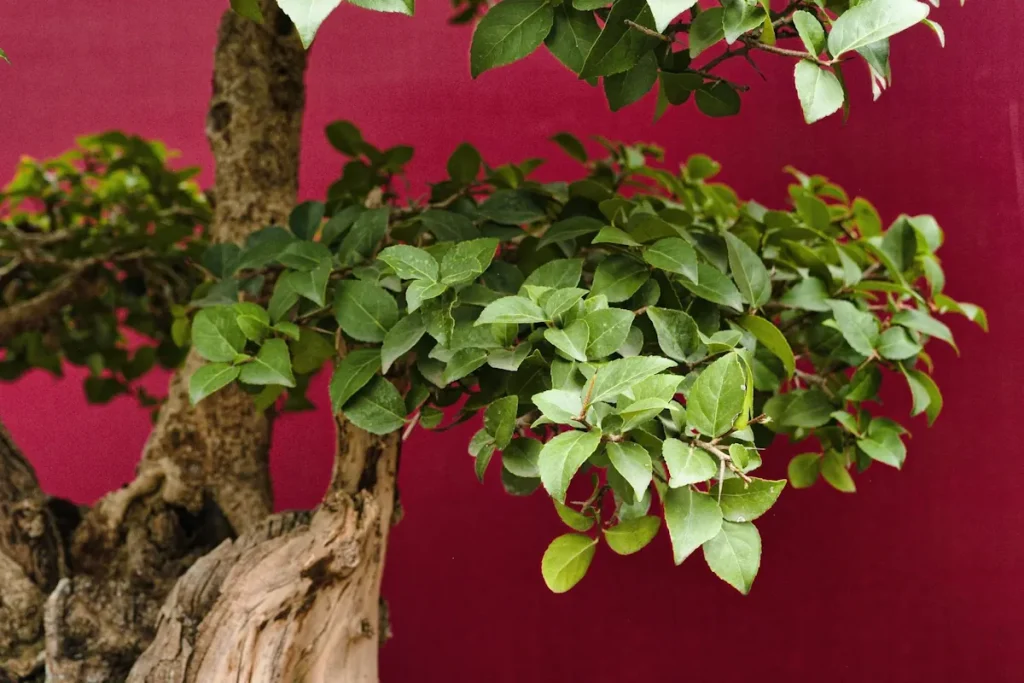
Autumn gives you a clear view of your tree’s structure without the distraction of dense foliage. When you focus on assessment instead of heavy cutting, you prepare for more precise and confident spring pruning.
When you practise pruning bonsai in autumn, the most valuable task is not cutting. It is observing.
As deciduous species drop their leaves through September and October, the canopy thins gradually. You see the branch framework in stages, not all at once. This progressive leaf fall reveals structure in a way summer never can.
During bonsai pruning after leaf drop, you can clearly spot:
These details often hide behind summer growth. By midwinter, the tree stands fully bare, but the transition period offers more context. You remember where foliage was dense and where light struggled to enter.
That combination of memory and visibility makes autumn the best time to assess branch structure with accuracy.
As leaves thin out, step back and study the outline. Look at the tree from the front, then rotate it slowly.
Start with the primary branch structure. Ask yourself:
Next, check for structural conflicts. Crossing branches and inward growing shoots become obvious once foliage no longer hides them. Remove nothing yet. Simply identify them.
Then examine ramification, especially tertiary branching. Good ramification creates fine, even twigging. Sparse areas signal where you will need back budding work in spring.
Finally, look for empty spaces. Gaps in the silhouette often show where light failed to reach during summer. Mark these zones for corrective pruning and directional growth next season.
Autumn assessment works best when you record what you see. Instead of reacting with immediate cuts, you build a clear action plan for spring.
Focus on noting:
You can photograph the tree from the front and sides, then annotate directly on the images. Alternatively, keep a simple notebook with sketches and short bullet points.
Be precise. Write “shorten second right branch by one third” rather than “reduce right side”.
When spring arrives, you will not hesitate or guess. Your observations from autumn turn spring pruning into a decisive and structured session rather than an improvised one.
Different species respond very differently to deciduous bonsai pruning in autumn. You need to adjust timing and intensity based on bark sensitivity, sap flow, and whether the tree is deciduous, coniferous, or tropical.
Japanese maple autumn pruning requires restraint. Of all common deciduous bonsai, maple is the most sensitive to autumn cuts.
Maple bark is thin and prone to die-back when you expose fresh wounds to cold and damp conditions. In climates such as the UK, where October and November are wet, open cuts can retreat beyond the pruning point.
Follow these rules:
If you prune in October UK conditions, keep it to light silhouette tidying. Do not remove thick branches. Heavy work at this time increases the risk of die-back and weak spring growth.
Chinese elm is one of the most forgiving species for autumn maintenance work. It recovers well from pruning and handles moderate trimming better than maple.
In September and early October, you can:
This makes Chinese elm suitable for careful bonsai pruning October UK schedules. Even so, avoid heavy structural cuts once temperatures drop consistently below 10°C.
Keep structural branch removal for late winter. Autumn work should refine shape, not redesign the tree.
Juniper autumn pruning does not follow the same rules as deciduous trees. Junipers keep their foliage through winter, so you must protect their photosynthetic capacity.
In early autumn, you can:
Do not strip large areas of green growth in late autumn. The tree needs that foliage to produce energy through winter.
Avoid major structural branch removal at this time. Carry out heavy work in late winter or early spring instead. Autumn is for cleaning and light control, not dramatic reshaping.
Pine is the most restrictive species for autumn pruning. You should not prune pine based on the calendar.
Pine care revolves around the candle cycle and needle development. Autumn cuts disrupt natural sap flow and can weaken the tree before winter.
Key points:
For most pines, structural pruning happens in late winter. Candle cutting takes place in early to mid summer, depending on species and strength. If you prune pine in autumn, you interfere with energy storage and risk poor growth the following year.
Larch is a deciduous conifer and one of the few species where autumn offers a genuinely useful structural window. Unlike pine, larch tolerates light structural work after its needles turn yellow and begin to drop in October.
As needles fall, the branch structure becomes fully visible. You can assess ramification, identify crossing branches, and carry out light structural thinning with more clarity than at any other point in the year.
Safe autumn work on larch includes:
Avoid heavy reductions or removing primary branches at this stage. Large wounds heal slowly in cool conditions. Save major structural decisions for late winter when rising sap flow supports faster callusing.
Indoor tropical species autumn pruning rules differ completely from temperate trees. Ficus, Chinese privet, and other tropical bonsai do not enter true dormancy.
You can lightly prune them throughout the year if they grow actively. That includes autumn.
However, take care when you bring a tree indoors for winter. Wait two to three weeks before pruning so it can adjust to lower light and drier indoor air.
During autumn:
Tropical species tolerate autumn work, but stability in light and temperature matters more than the month on the calendar.
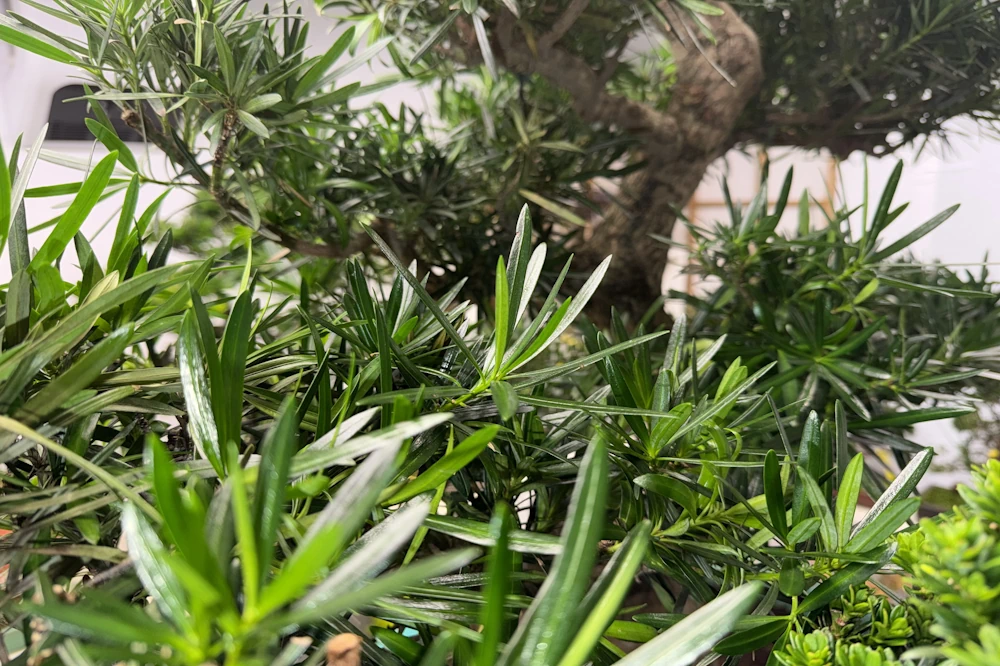
Autumn pruning prepares your bonsai for dormancy, but the work does not stop once you put the shears away. You need to protect fresh cuts, understand how they heal during bonsai pruning dormancy, and monitor the tree closely through winter.
You should usually seal medium and large cuts made during bonsai pruning before winter. In early autumn, vigorous species may start forming callus tissue before full dormancy. A sealant reduces drying and limits fungal entry while the wound begins to close.
In late autumn, the situation changes. Trees entering dormancy will not callus until spring, so the sealant mainly protects exposed wood from:
Use a dedicated bonsai cut paste or wound sealant. Apply it immediately after pruning, covering the entire cut surface and slightly overlapping the bark edge. The layer should be thin but complete.
For very small twig cuts, sealing is often unnecessary if you made a clean cut with sharp tools. Precision matters more in autumn because the wood stays exposed for several months.
Spring cuts heal faster because they coincide with active growth. As buds swell and sap flow increases, the tree produces callus tissue quickly. You may see visible swelling around the cut within weeks.
Autumn cuts behave differently. Once temperatures drop, growth slows and then stops. The wound remains open throughout winter and only begins callusing when growth resumes in spring.
This longer exposure means you must:
Ragged or overly flush cuts are more likely to dry back before healing starts. In autumn, careful technique reduces the risk of die-back and improves the quality of spring callusing.
After bonsai pruning, dormancy begins; shift your focus to inspection. Check trees every few weeks, especially after heavy rain or frost.
Look for:
Late autumn cuts made too close to full dormancy sometimes recede slightly. If you see minor die-back, wait until spring growth begins before correcting it.
When buds start to swell, inspect each wound. Healthy cuts show a ring of new callus forming around the edge. If callusing looks uneven or stalled, you can recut cleanly at that stage.
For timing and reminders, work through your autumn bonsai checklist tree by tree to guide your winter monitoring routine.
When you are pruning bonsai in autumn, species matters more than the calendar. In the UK, growth slows from late September to early November, and wound healing also slows as temperatures drop below about 15°C.
Use this table as a fast guide for bonsai autumn pruning UK conditions.
| Species | Maintenance Pruning Safety | Structural Pruning in Autumn | Best Autumn Timing Window (UK) | Key Species Note |
|---|---|---|---|---|
| Japanese maple | Safe with care | Avoid | Late Sept to mid Oct | Wait until leaf drop for clarity; avoid large cuts |
| Trident maple | Safe with care | Avoid | Late Sept to Oct | Seal cuts; prone to dieback in cold |
| Chinese elm | Safe | Safe with care | Sept to early Oct | Mild autumns allow light structural thinning |
| Beech | Safe with care | Avoid | After leaf drop | Retains dead leaves; prune lightly |
| Hornbeam | Safe with care | Avoid | Oct | Reduce congestion only |
| Larch | Safe | Safe with care | After needles yellow | Good time to see structure |
| Juniper | Safe | Safe with care | Sept to Oct | Autumn ideal for selective structural work |
| Scots pine | Safe with care | Avoid | Early Oct | Remove unwanted shoots only |
| Japanese black pine | Safe with care | Avoid | Early Oct | Do not decandle now |
| Ficus | Safe | Safe | Sept to Nov indoors | Tropical; keep warm |
| Carmona | Safe | Safe with care | Sept to Oct indoors | Protect from cold drafts |
When is the best time to prune bonsai in autumn? In the UK, aim for late September through October, before persistent cold sets in.
Focus on bonsai safe cuts, autumn means removing weak shoots, crossing branches, and diseased wood. Avoid ambitious reshaping. Use autumn to assess structure and plan spring work, not to force it.
Miyagi Bonsai stocks a carefully chosen range of bonsai trees, pruning tools, and wound sealants suited to autumn and winter care, including sharp concave cutters, knob cutters, and cut paste for clean wound management, with next working day UK delivery available on most orders. The products and recommendations in this guide reflect what we stock, use, and see working for our customers every day. We are rated 5 stars across over 100 Google reviews, and our team is on hand by email and phone if you have any questions about autumn pruning timing, technique, or species-specific care.
Light maintenance pruning is safe and beneficial in autumn; this includes removing dead and damaged material, crossing shoots, sucker growth, and light silhouette tidying. Heavy structural pruning, including significant branch removal and major reduction cuts should wait until late winter or early spring when the tree can respond with immediate callusing and recovery growth. The key test is whether the cut changes the fundamental branch structure or stimulates significant new growth; if yes, it should wait until spring.
Generally, no; structural pruning is best done in late winter or early spring for most bonsai species. Autumn structural cuts leave significant wounds exposed through winter when healing capacity is lowest, and heavy cuts risk stimulating late growth that cannot harden before frost. The exception is deadwood and jin work, which involves dead tissue rather than living wood and does not carry the same risks. Use autumn instead for detailed structural assessment as leaves fall; the emerging winter silhouette reveals structural problems that are hidden by summer foliage and makes spring pruning planning far more accurate.
For the light maintenance pruning that is appropriate in autumn, early to mid-September is the optimal window for most UK temperate species; growth has stopped or slowed significantly, the tree is still active enough to begin the initial response to cuts before dormancy, and there is sufficient growing time remaining for the very minor stimulation of maintenance pruning to resolve before winter. By late October, most pruning should be complete and the tree settled into its winter routine. Japanese maple is the exception; even light pruning on maple is safer after the leaves have fully dropped in late autumn rather than during the active colour change and drop period.

