
Autumn rain can support bonsai trees, but cooler temperatures slow soil drying and increase the risk of waterlogged roots. Keep your bonsai outside in normal rain only if water drains freely through the pot and the soil does not stay saturated.
Check drainage holes, soil texture, and water runoff before persistent wet weather arrives. Raising pots slightly and moving them away from sheltered corners can help protect tree health while maintaining good bonsai care.
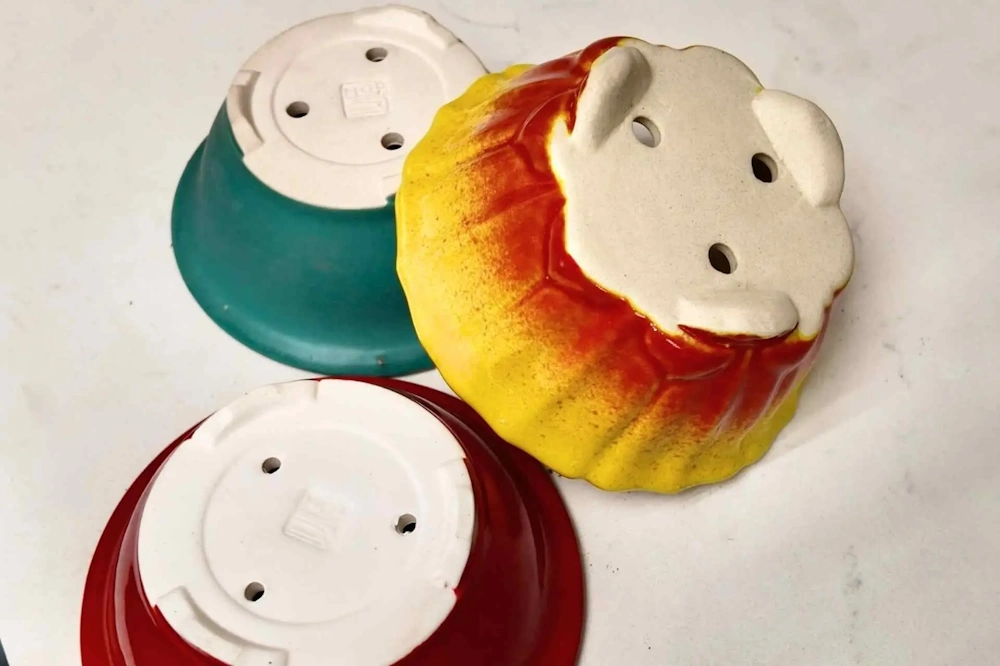
Autumn rain can be heavier and more persistent than a brief summer shower. At the same time, your bonsai’s growth slows as days become cooler and shorter, so it draws less water from the soil.
This means the root zone can stay wet for much longer between rain events, even when your pot normally drains well. Repeated rainfall may keep the soil damp for days instead of allowing the usual dry-down period.
| Season | Tree water use | Soil drying speed | Drainage risk |
|---|---|---|---|
| Summer | Usually high | Faster in warmth and sun | Lower between showers |
| Autumn | Falling as growth slows | Slower in cool, damp weather | Higher during sustained rain |
Wet soil also contains less air. If it remains saturated, fine roots struggle to function and become more vulnerable to rot.
For bonsai autumn rain protection, focus on limiting direct rainfall while keeping the tree in bright conditions with good airflow. A clear cover, sheltered bench, or covered patio can reduce saturation without moving your bonsai into a dark indoor space.
Check moisture rather than watering by routine:
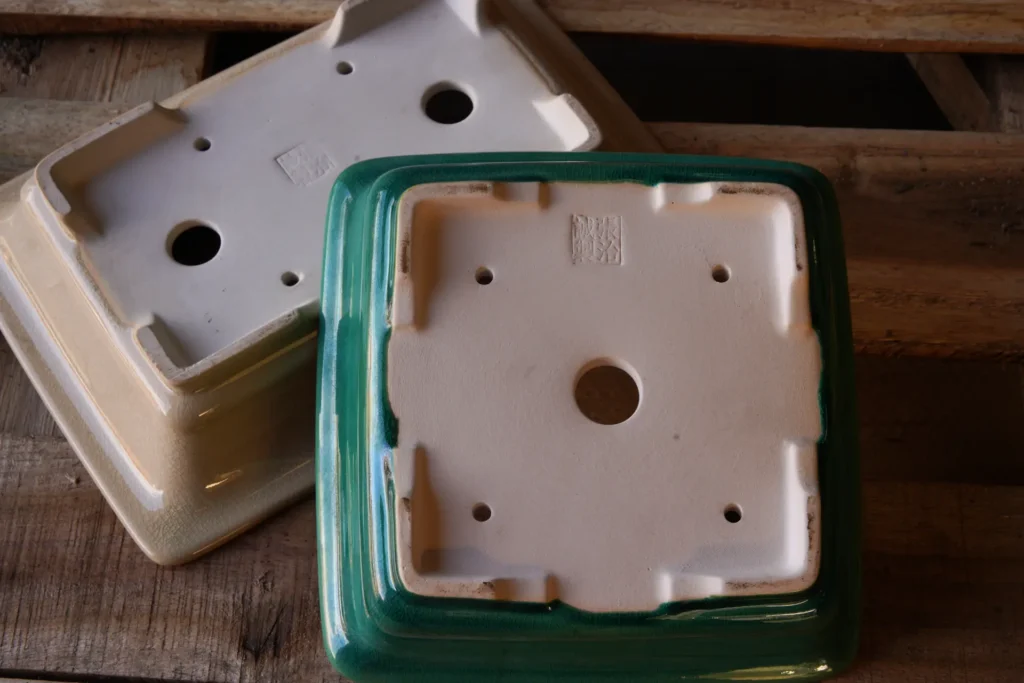
Check your outdoor bonsai during or just after a spell of autumn rain. Choose a day when the pot has received a thorough soaking, not just a light shower.
Watch the water leave the pot. Pour water gently over the soil and time it. Water should begin flowing from the drainage holes within seconds and should not pool on the soil surface for more than a minute or two.
Inspect the drainage holes. Lift the pot and look underneath. Remove moss, fallen leaves, compacted soil, algae, or debris blocking the holes. Check that mesh still covers the holes without stopping water flow.
Lift and compare the weight. Learn how the pot feels after watering, then lift it again the next day. A pot that remains unusually heavy after 24 to 48 hours of dry weather may be holding too much water.
Check the soil beneath the surface. Push a wooden chopstick into the soil near the edge of the pot, then remove it. If it comes out wet and muddy after several rain-free days, the root area may not be drying fast enough.
Watch for warning signs after repeated rain:
Move the tree to a bright sheltered spot if heavy rain continues for one to two days, then check drainage again before returning it to full exposure.
Bonsai waterlogged soil stays saturated because excess water has filled the air spaces that roots need.
Look for these visible and practical warning signs:
Gently lift the pot after rain. A pot that remains unusually heavy for days often indicates excess moisture in the root zone.
If you can inspect the roots during repotting, healthy roots are usually firm and pale. Black, soft, peeling, or foul-smelling roots suggest rot linked to prolonged wet conditions.
Yes. Before persistent autumn rain begins, raise each bonsai pot on pot feet, bricks, or a slatted bench. This lets water leave the drainage holes freely instead of pooling beneath the pot.
Check that the feet do not block any holes. A slight forward tilt can also help excess water escape, especially from shallow pots, and getting the pot itself right from the outset avoids most of this fuss.
To stop bonsai waterlogging in autumn, move trees away from places where runoff collects, such as beside walls, beneath gutters, or on flat, non-porous surfaces. Choose a bright spot with good air movement, while protecting the tree from strong wind.
Use overhead cover when rain is prolonged rather than for every shower. A clear roof, cold frame, or sheltered bench can keep the root ball from becoming saturated while still allowing light and airflow.
Before the wetter months, check these points:
Your outdoor bonsai has always drained well
Normal autumn rain in the UK is usually fine when water runs freely from the pot and the soil becomes only slightly damp after rain. Check the compost daily, but do not add water while it remains moist.
Your tree sits in an exposed or low-lying spot
Move it to a bright, sheltered position during prolonged heavy rain. Raise the pot on feet or a bench so water can leave the drainage holes and cannot collect underneath.
You see early signs of waterlogging
Act if the soil stays wet for more than two days, smells sour, or leaves begin to yellow or droop. Keep the tree out of further rain, clear blocked drainage holes, and let the soil dry gradually.
You are unsure how the pot handles winter rain
Test drainage before persistent wet weather arrives. Water the soil thoroughly and confirm that excess water drains quickly; if it pools, repot in a free-draining bonsai mix when the species and season allow.
In our experience, the most common autumn drainage mistake is assuming that a pot which drained well in summer will drain equally well through October and November. The pot has not changed.
The conditions have. Growth has slowed, the tree is drinking far less, UK rainfall becomes more persistent, and cool temperatures mean the soil takes significantly longer to dry between events. A pot that cleared in 24 hours in July may stay damp for four or five days by October under the same rainfall.
The practical test is not a visual one. Lift the pot the day after heavy rain. If it still feels close to its fully watered weight, the root zone is holding water it cannot shed.
That is your signal to act: clear drainage holes, raise the pot, and consider whether the soil mix itself has enough coarse material to drain freely in cold, wet conditions. The gravel layer that many growers add beneath the soil is one of the most persistent myths in bonsai care.
It does not improve drainage and can actually create a perched water table that keeps the lower root zone wetter for longer. An open, balanced mix throughout the pot and clear drainage holes are the only reliable fix.
Drainage Supplies from Miyagi Bonsai
Miyagi Bonsai stocks free-draining bonsai soil mixes with coarse elements such as pumice and akadama, alongside free-draining bonsai pots to help keep your trees clear of standing water this autumn. The products and recommendations in this guide reflect what we stock, use and see working for our customers every day. We are rated 5 stars across over 100 Google reviews, and our team is on hand by email and phone if you have any questions about repotting into a free-draining mix or checking drainage on your specific tree. Next working day UK delivery is available on most orders.
Only in a genuine emergency, such as active root rot or soil that has completely broken down; routine repotting should still wait until early spring. Autumn root recovery is slow as the tree heads into dormancy, so disturbing the roots now adds stress at the worst possible time. If waterlogging is severe but not an emergency, focus on improving drainage and drying the root zone gradually rather than repotting.
Yes, waterlogged soil that then freezes is more damaging than wet soil alone, since expanding ice can physically damage fine roots as the water within the soil freezes and expands. This combination is a common cause of root loss in outdoor bonsai during cold snaps. Improving drainage before winter, as covered above, reduces this risk by giving less standing water the chance to freeze in the first place.
A moisture meter can give a more consistent, repeatable reading than the skewer test, particularly for less experienced growers still learning to judge soil by feel. That said, a correctly used skewer or chopstick test remains a reliable, low-cost method most bonsai growers use successfully. Either approach works well as long as you check consistently at the same depth and compare results over time, rather than relying on a single reading.

